
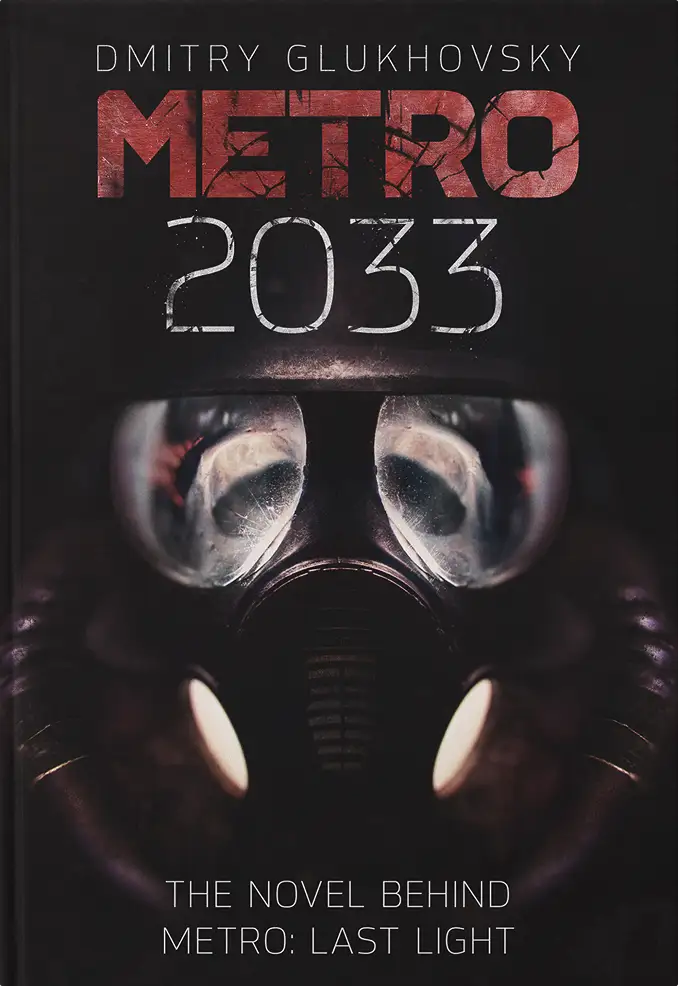

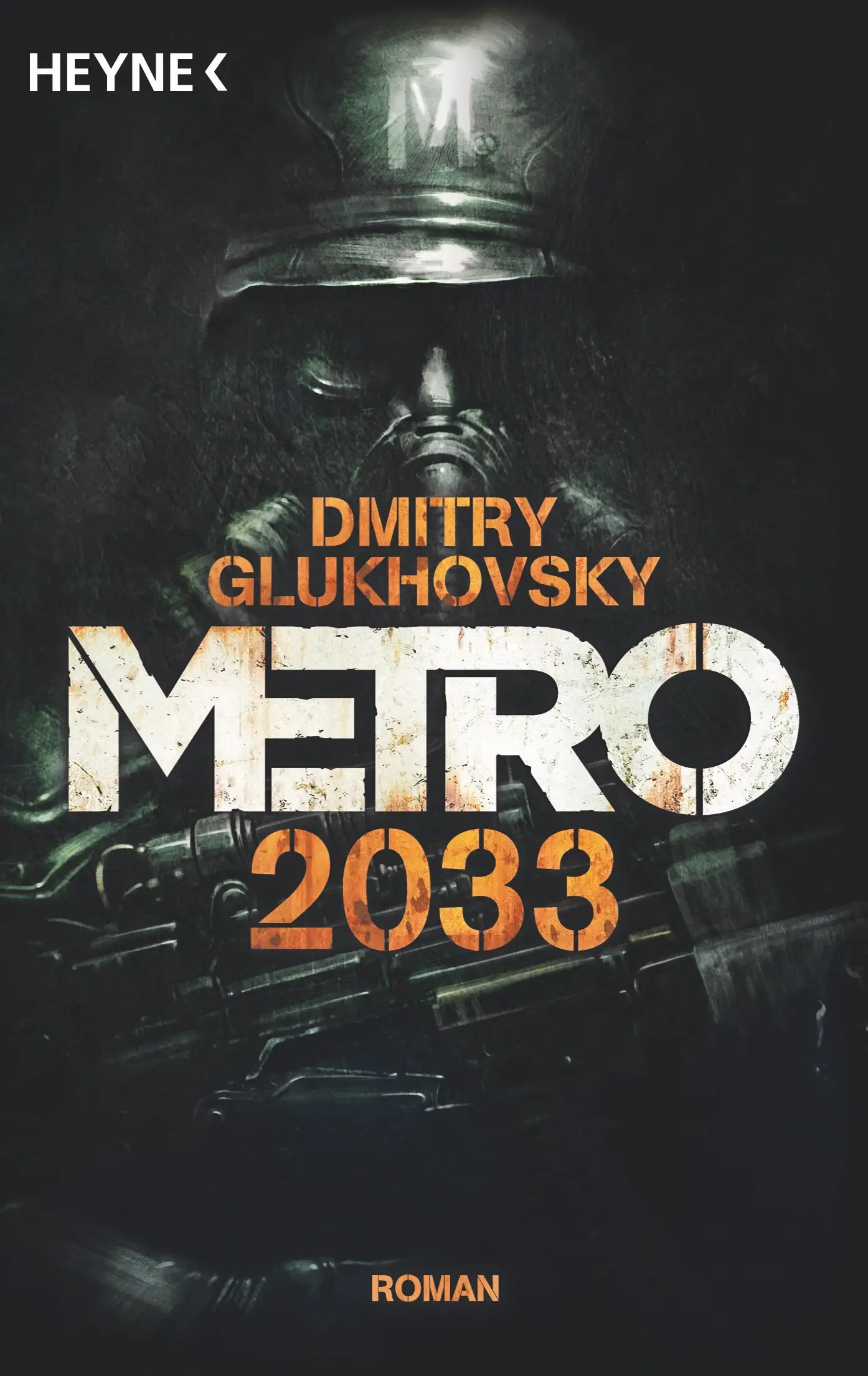
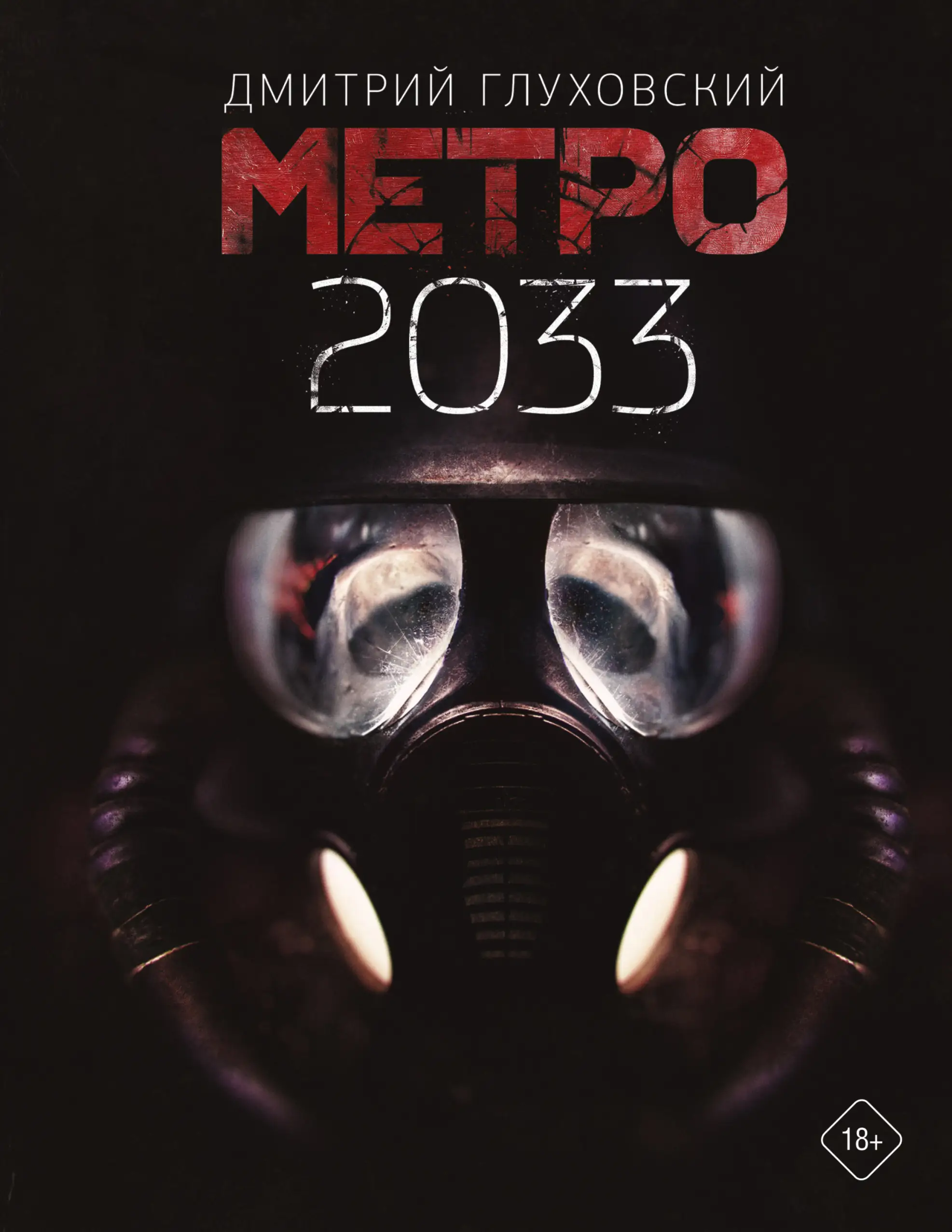
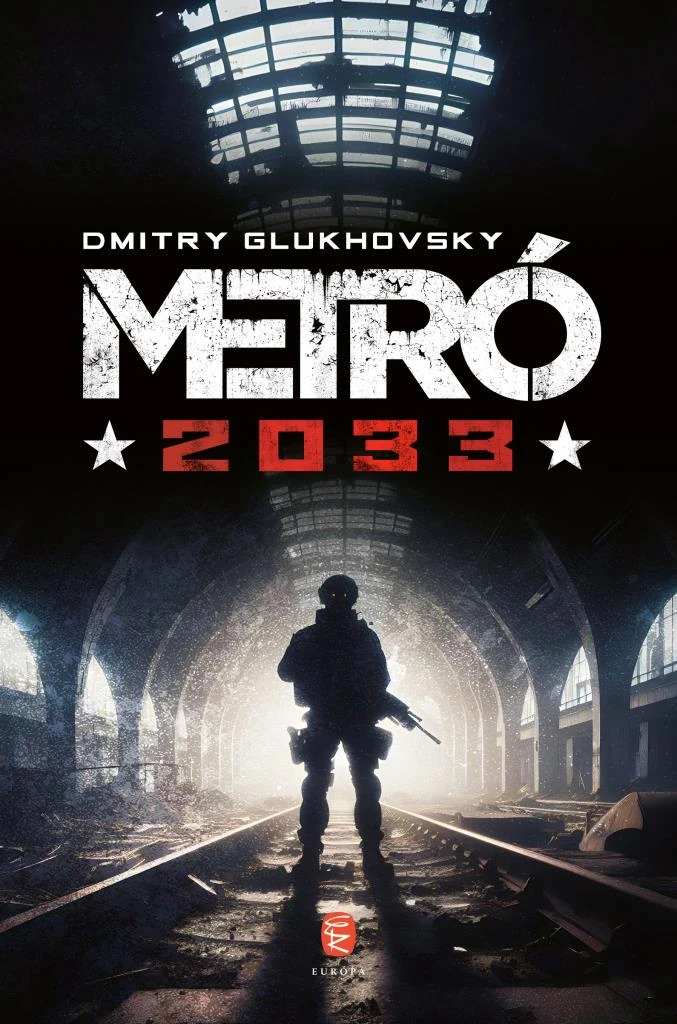

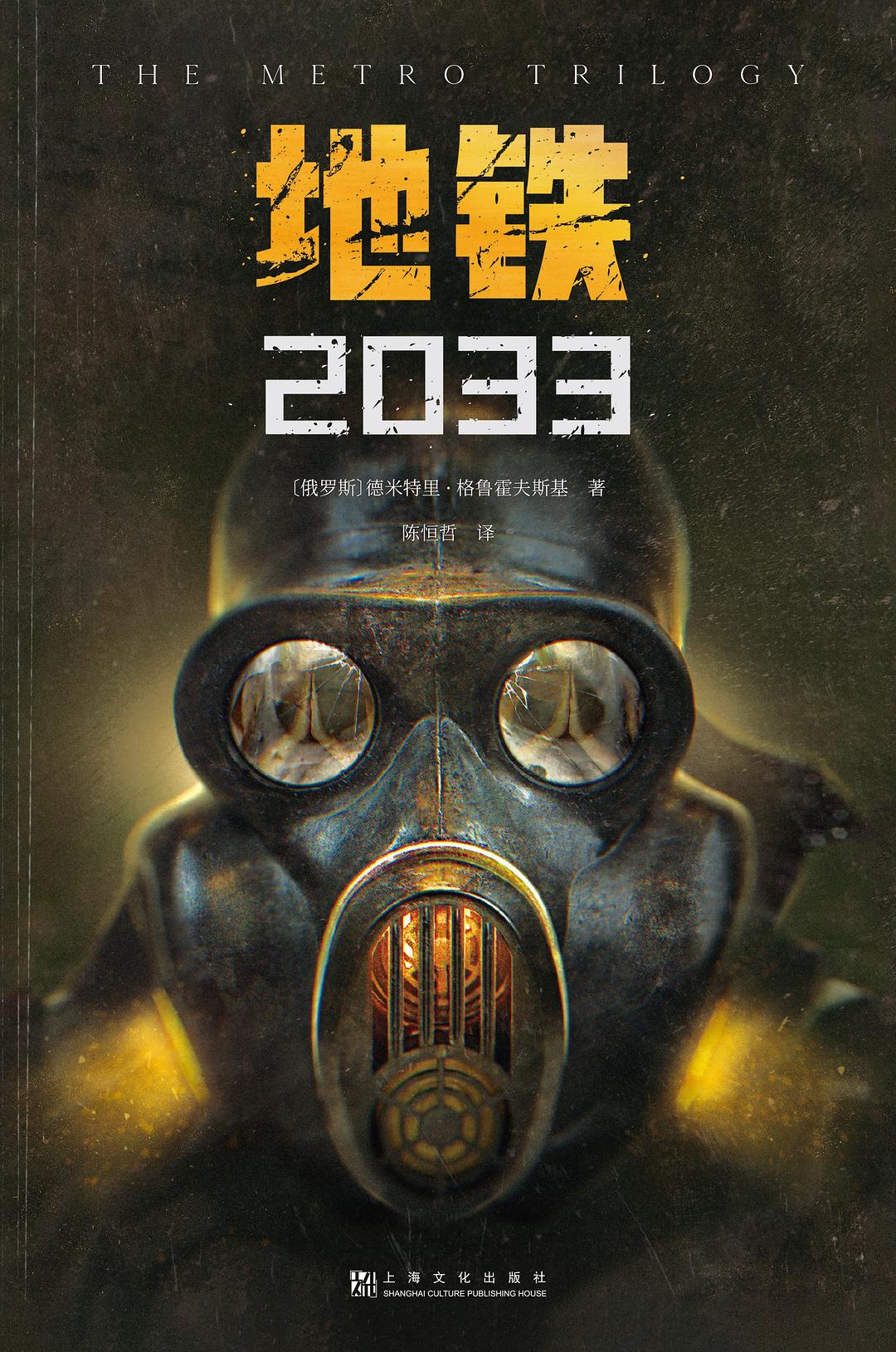
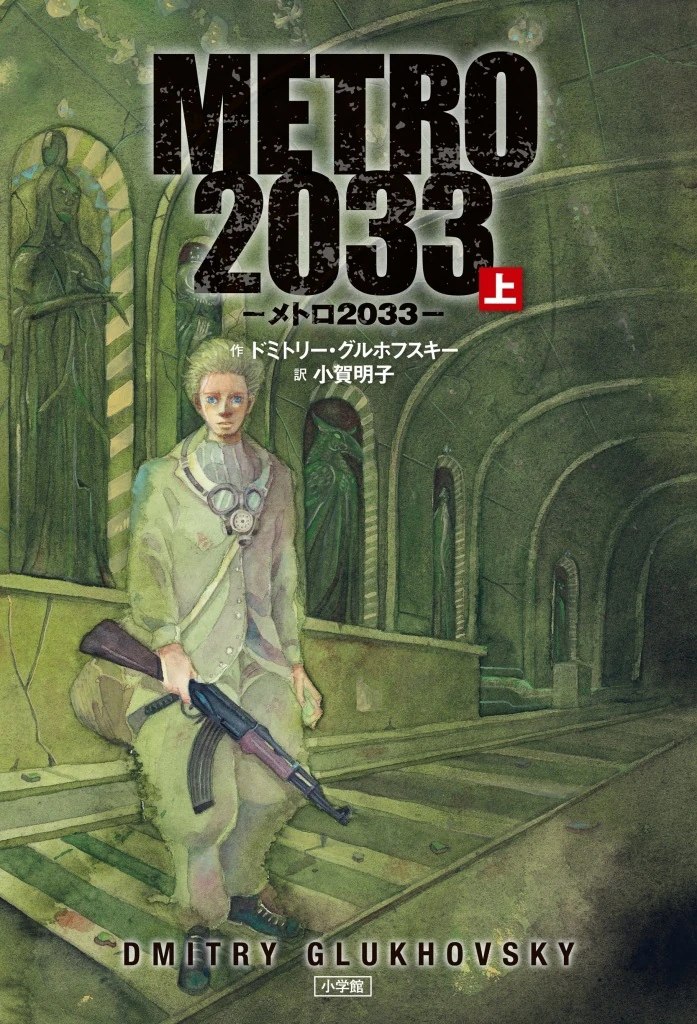
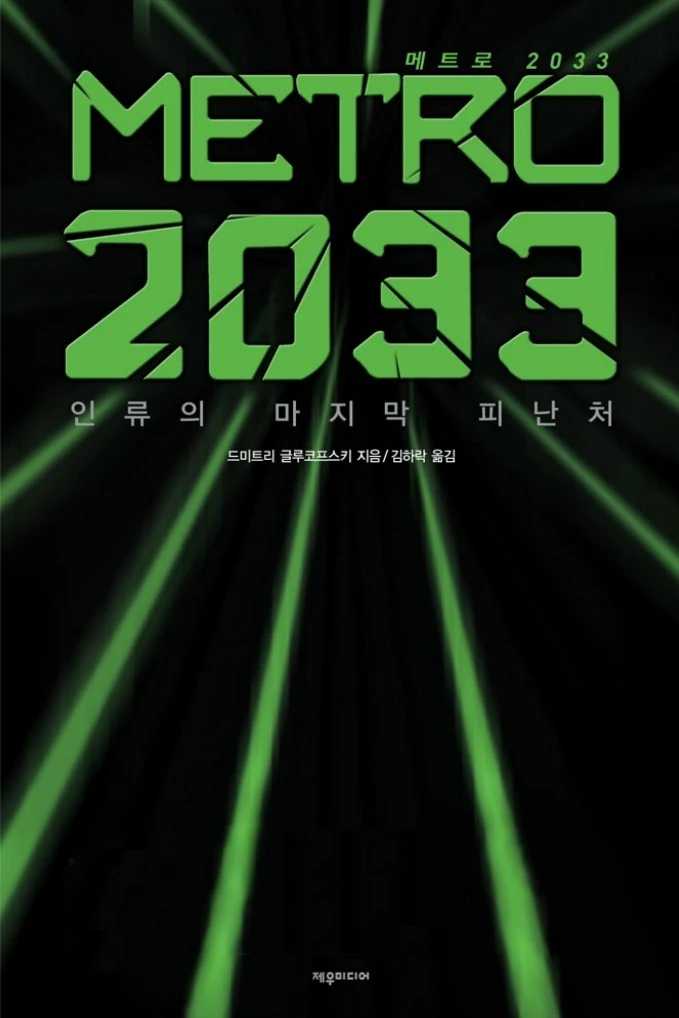

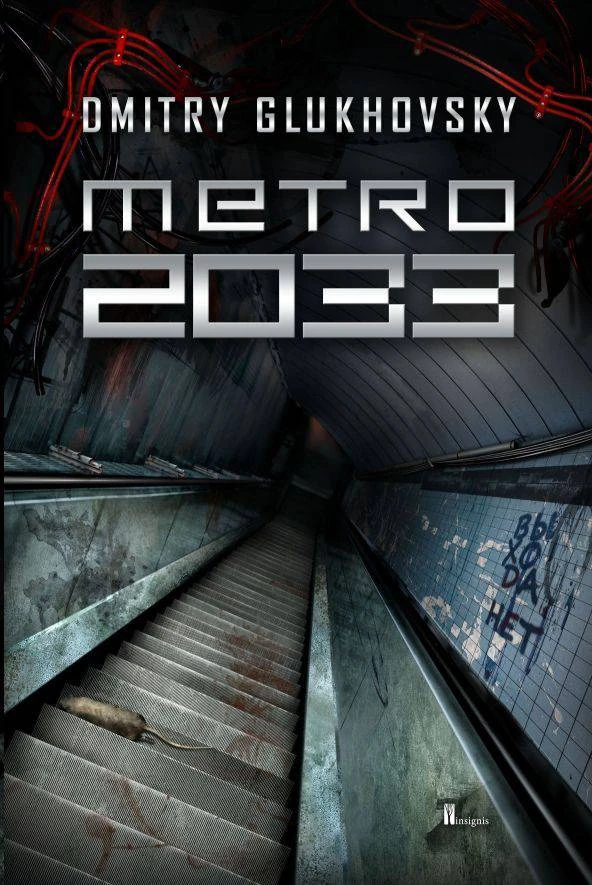
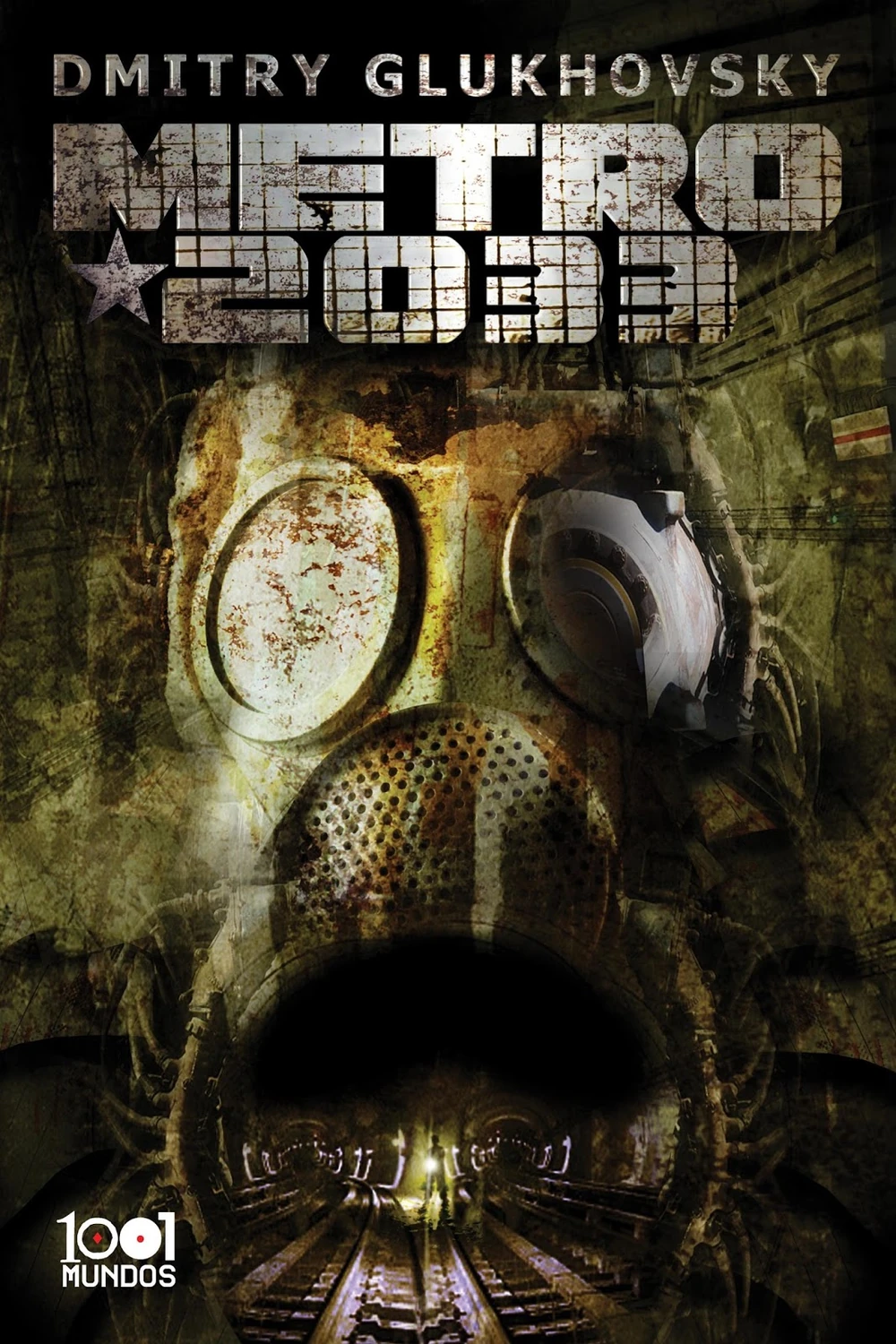
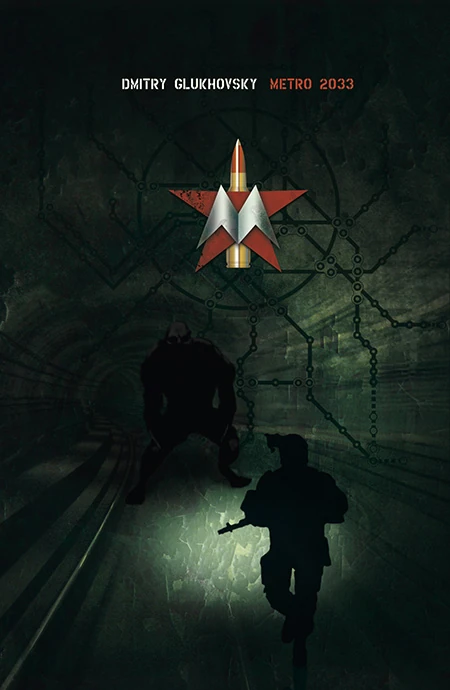

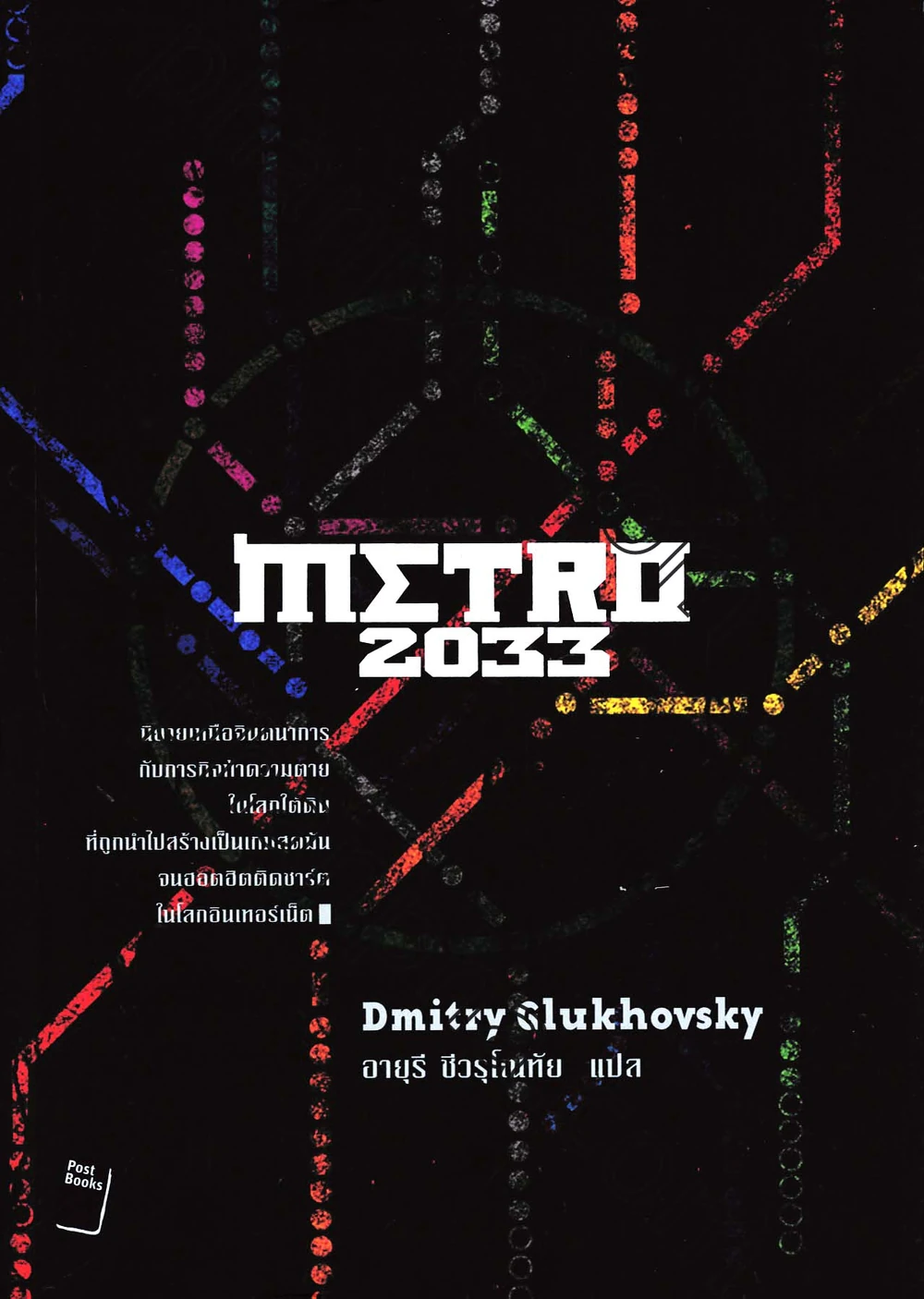
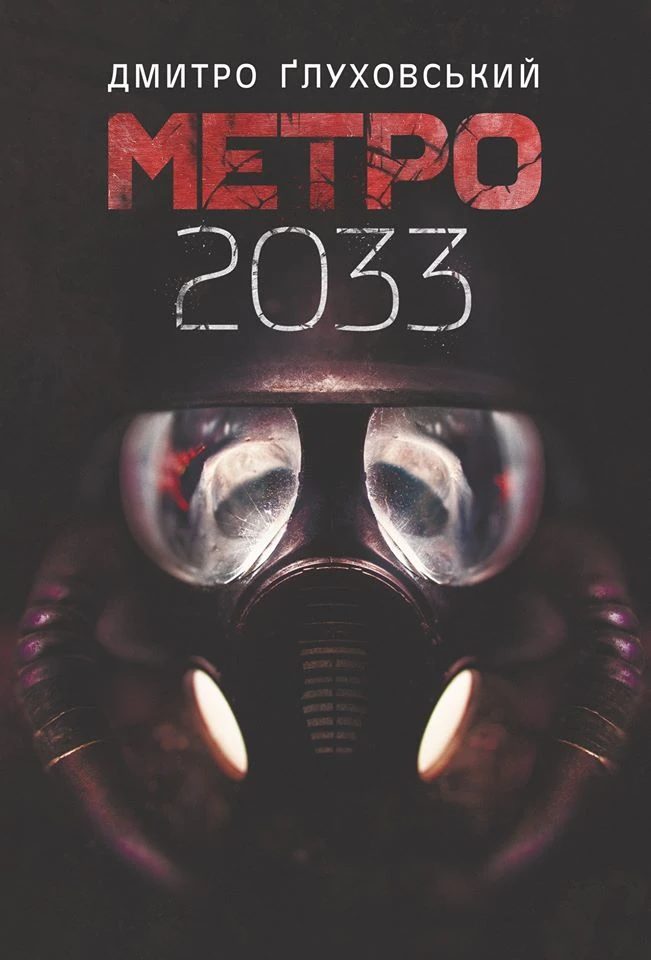
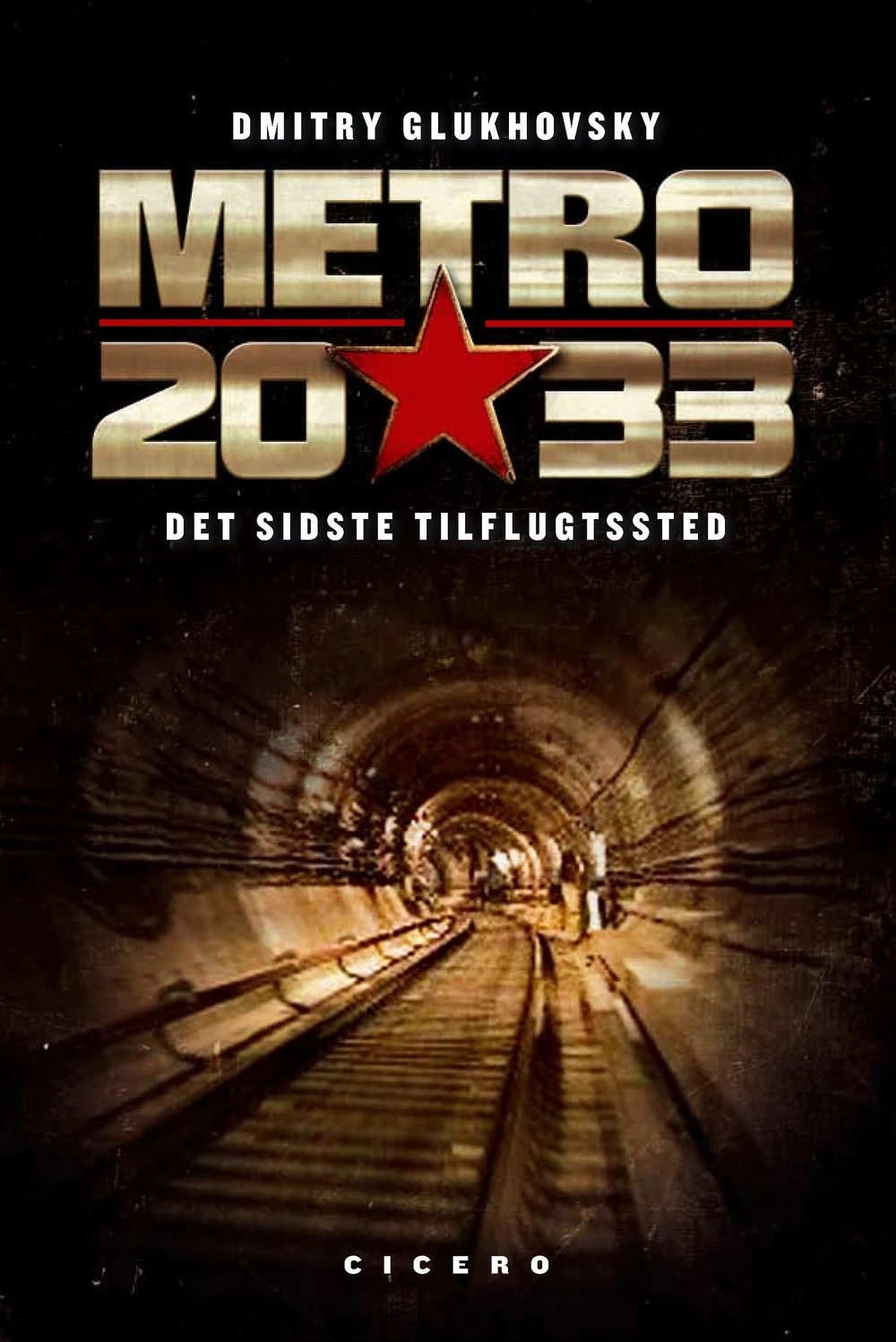
Two decades have passed since the nuclear war that wiped out nearly all of humanity. The Earth’s surface is contaminated with radiation and has become uninhabitable. The few survivors have taken refuge in underground bunkers, the largest of which is the Moscow Metro. There, tens of thousands of people struggle to rebuild civilization — until they are faced with a new and terrifying threat.
«Metro 2033» was first published online in 2002 as a free interactive project. Since then, the novel has been translated into 41 languages, with global sales exceeding 4 million copies. It inspired the cult-classic Metro video game series, and a film adaptation is currently in development.
Two decades have passed since the nuclear war that wiped out nearly all of humanity. The Earth’s surface is contaminated with radiation and has become uninhabitable. The few survivors have taken refuge in underground bunkers, the largest of which is the Moscow Metro. There, tens of thousands of people struggle to rebuild civilization — until they are faced with a new and terrifying threat.
«Metro 2033» was first published online in 2002 as a free interactive project. Since then, the novel has been translated into 41 languages, with global sales exceeding 4 million copies. It inspired the cult-classic Metro video game series, and a film adaptation is currently in development.
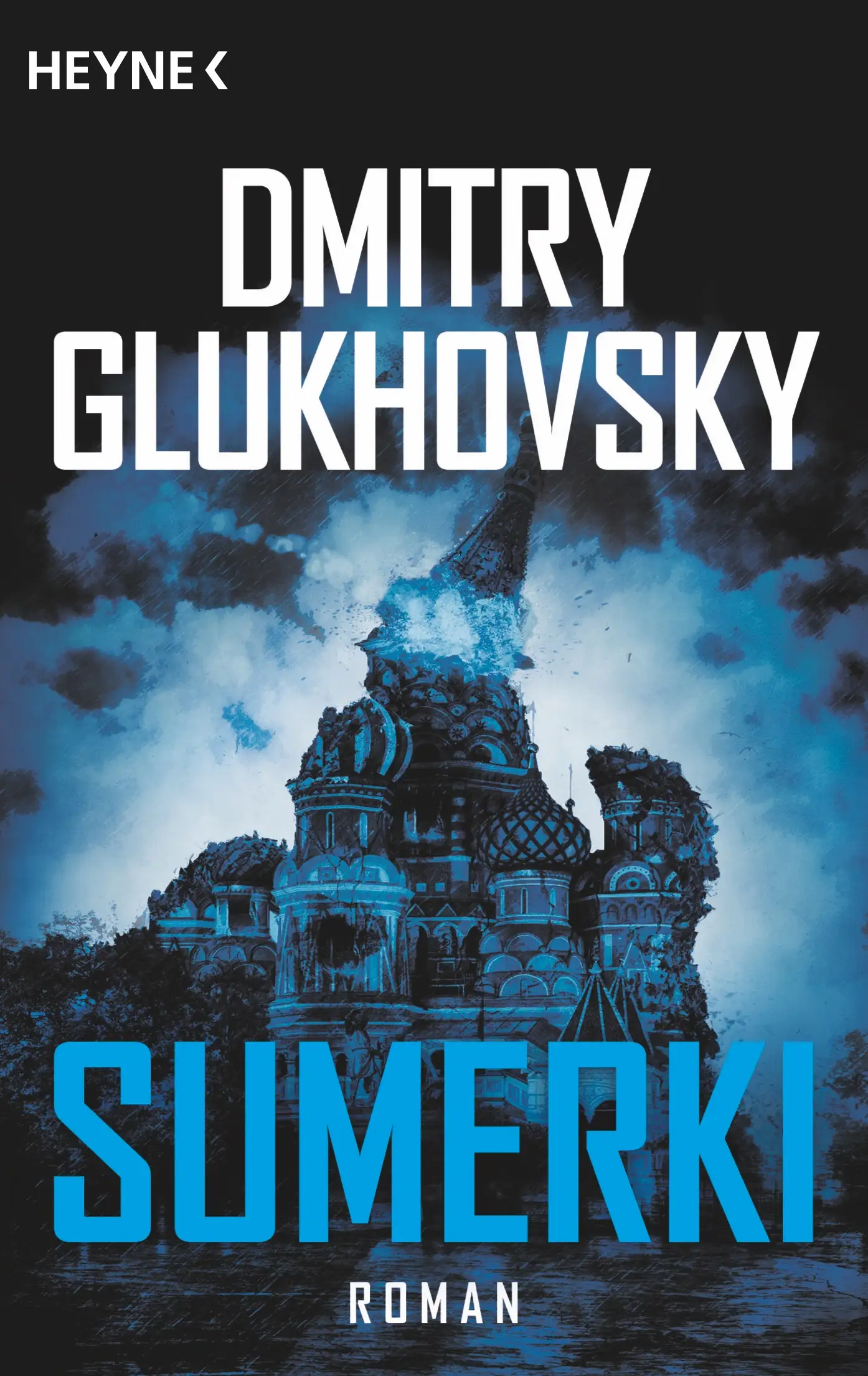
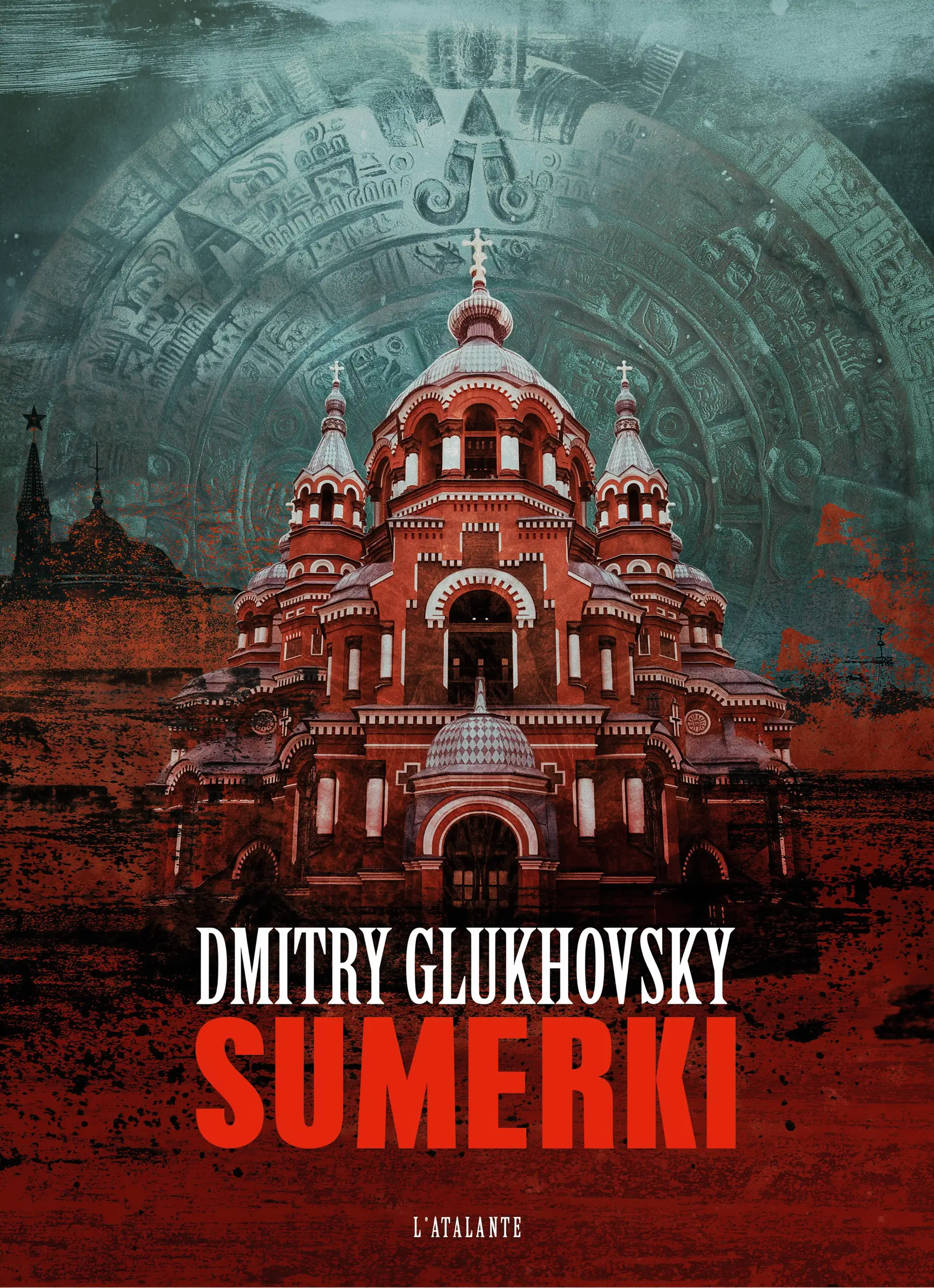
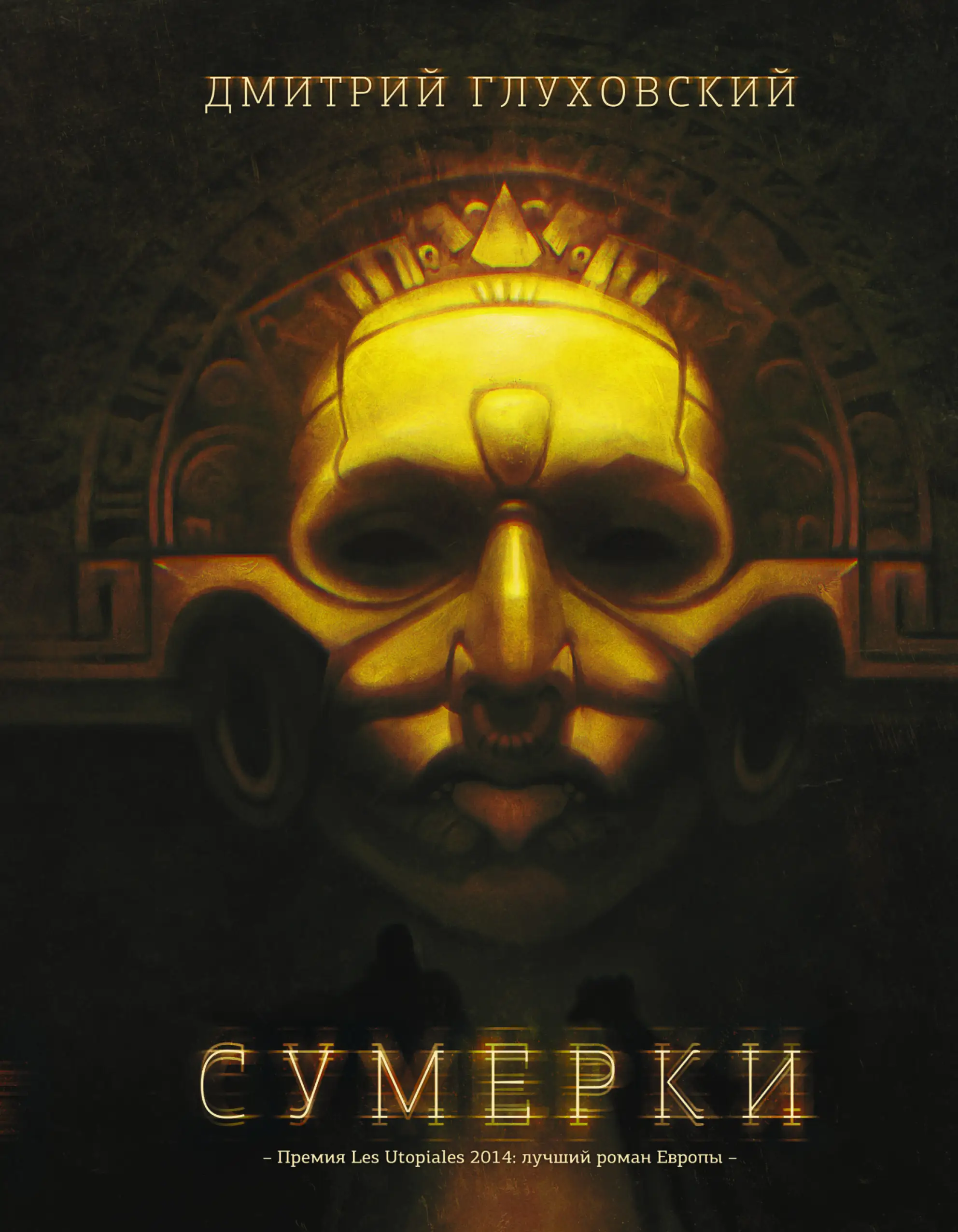
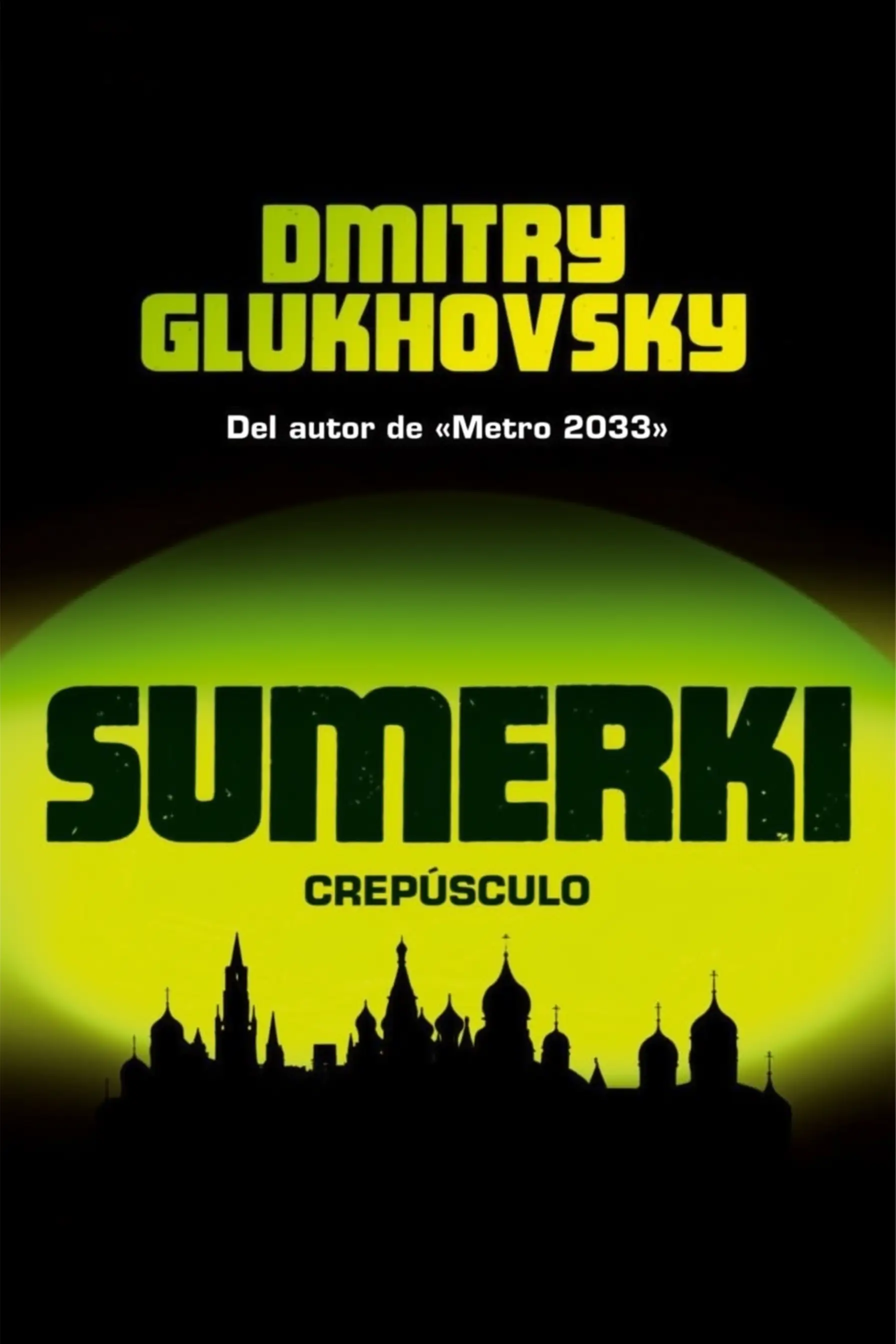
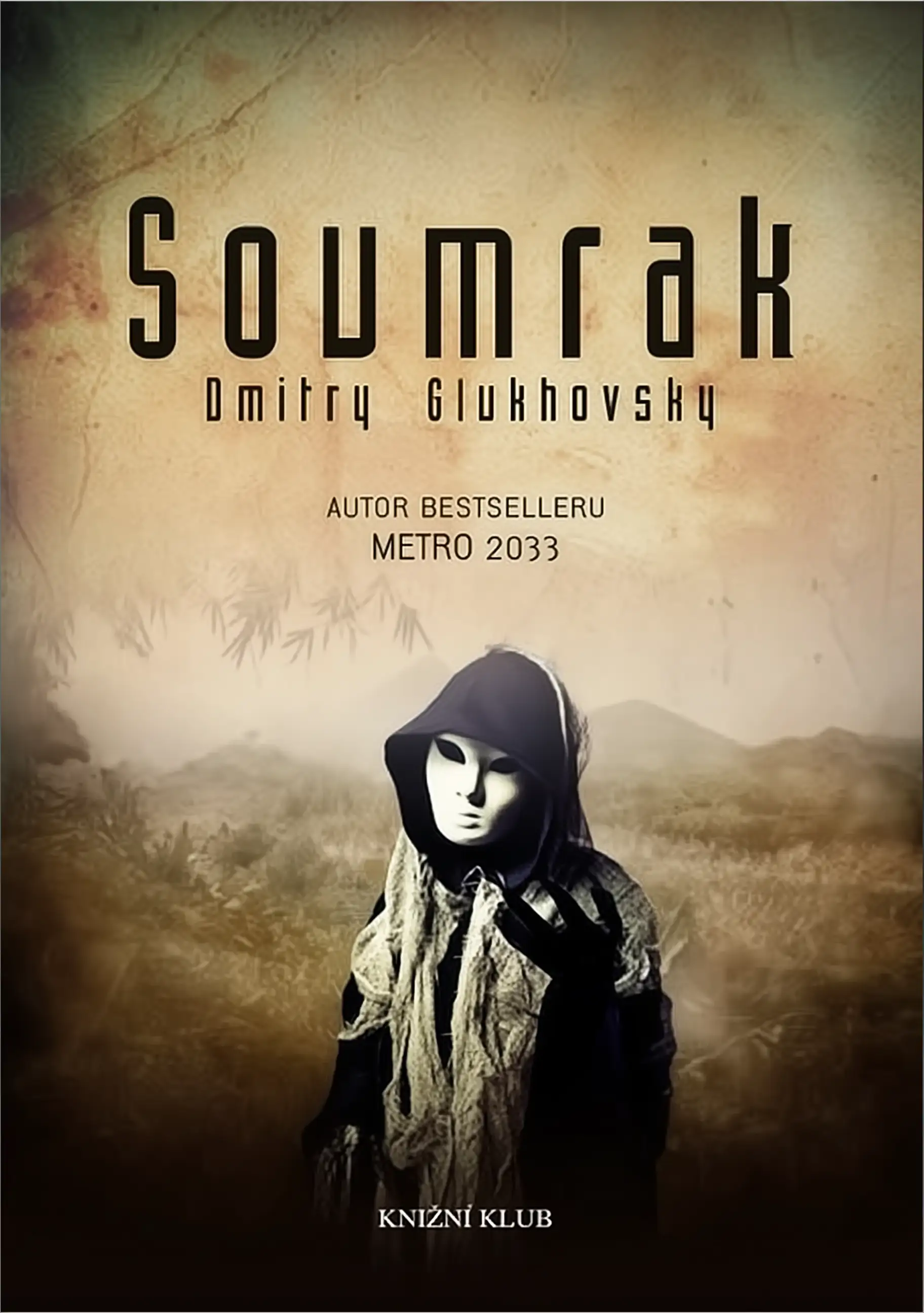

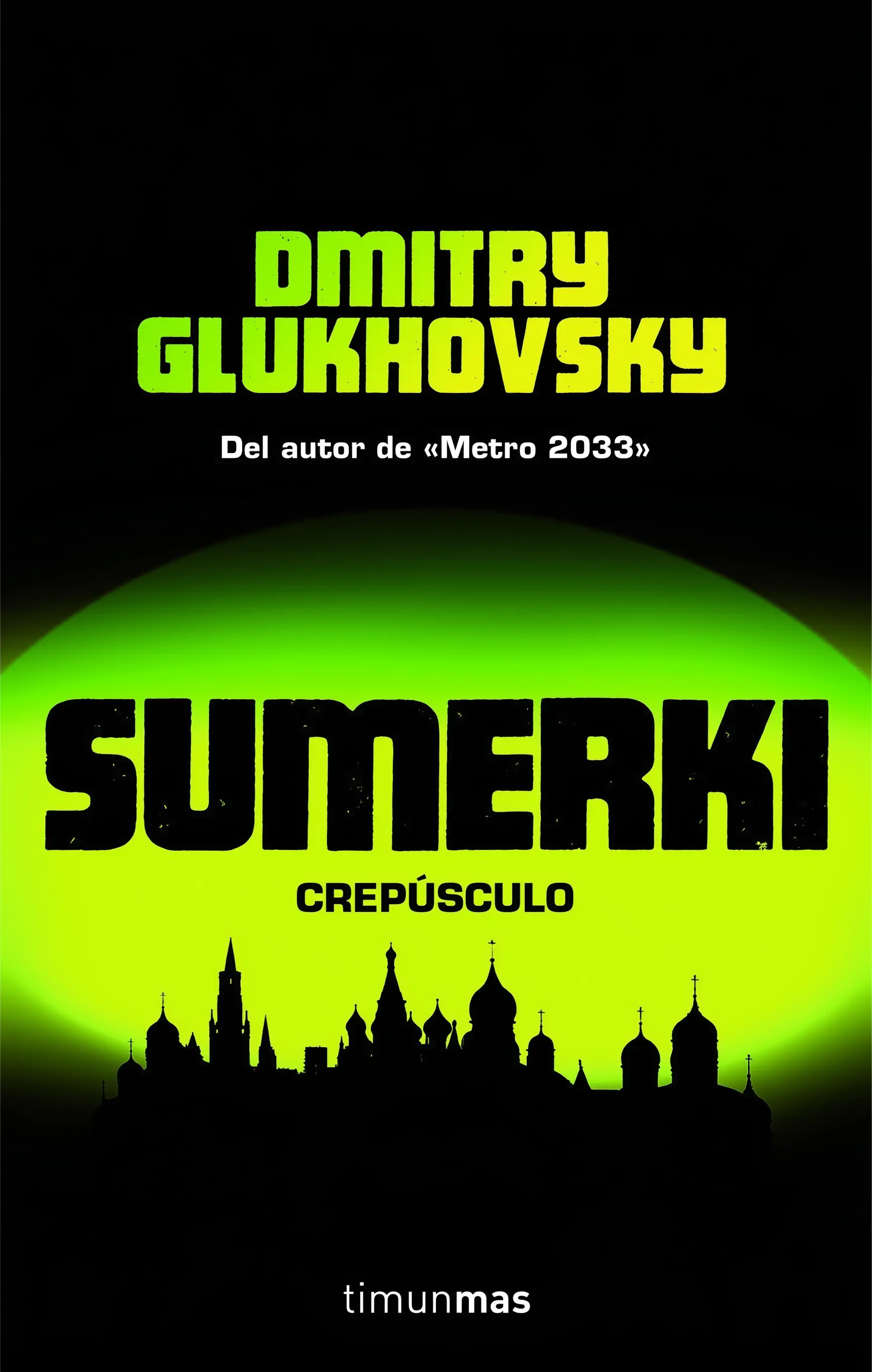
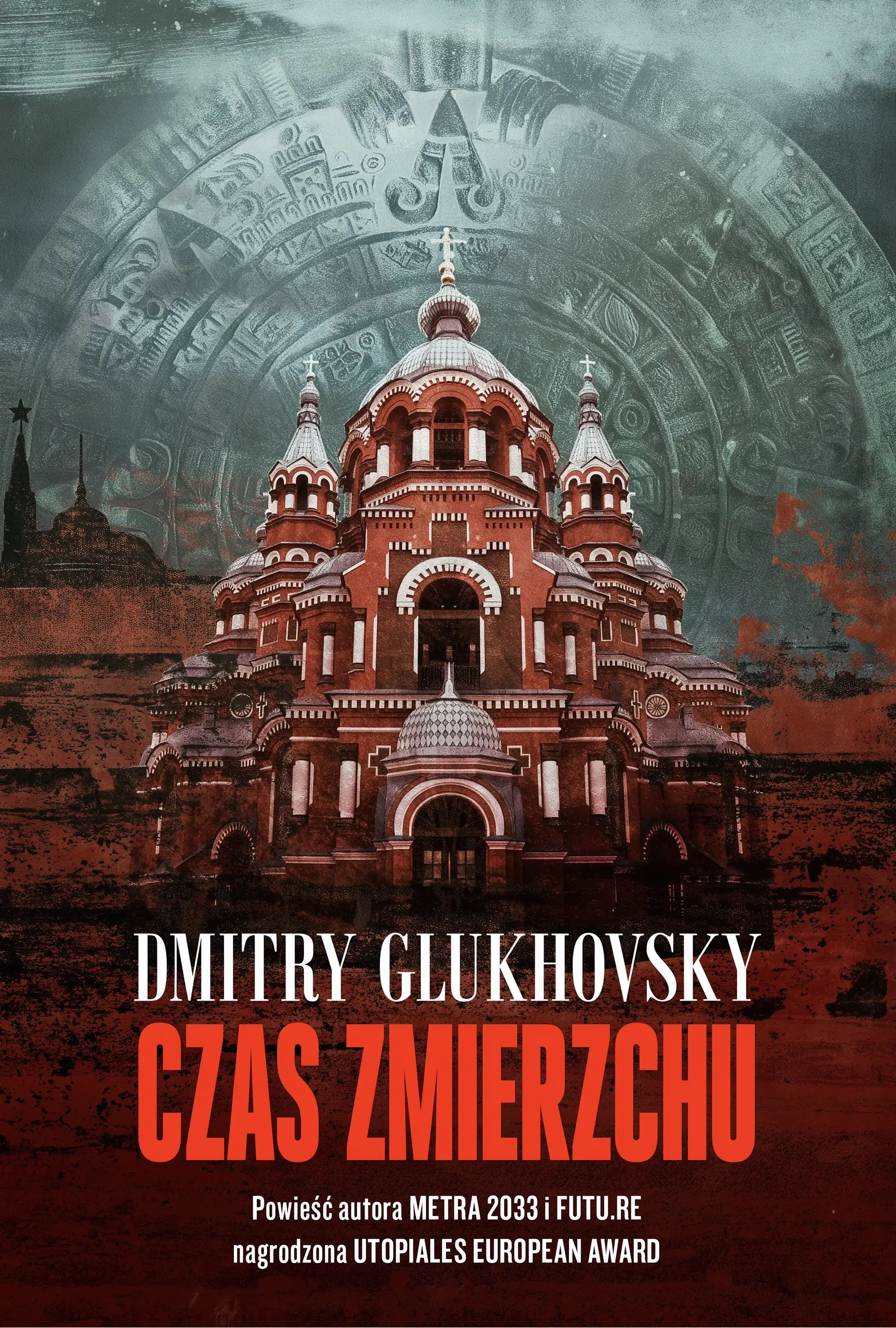
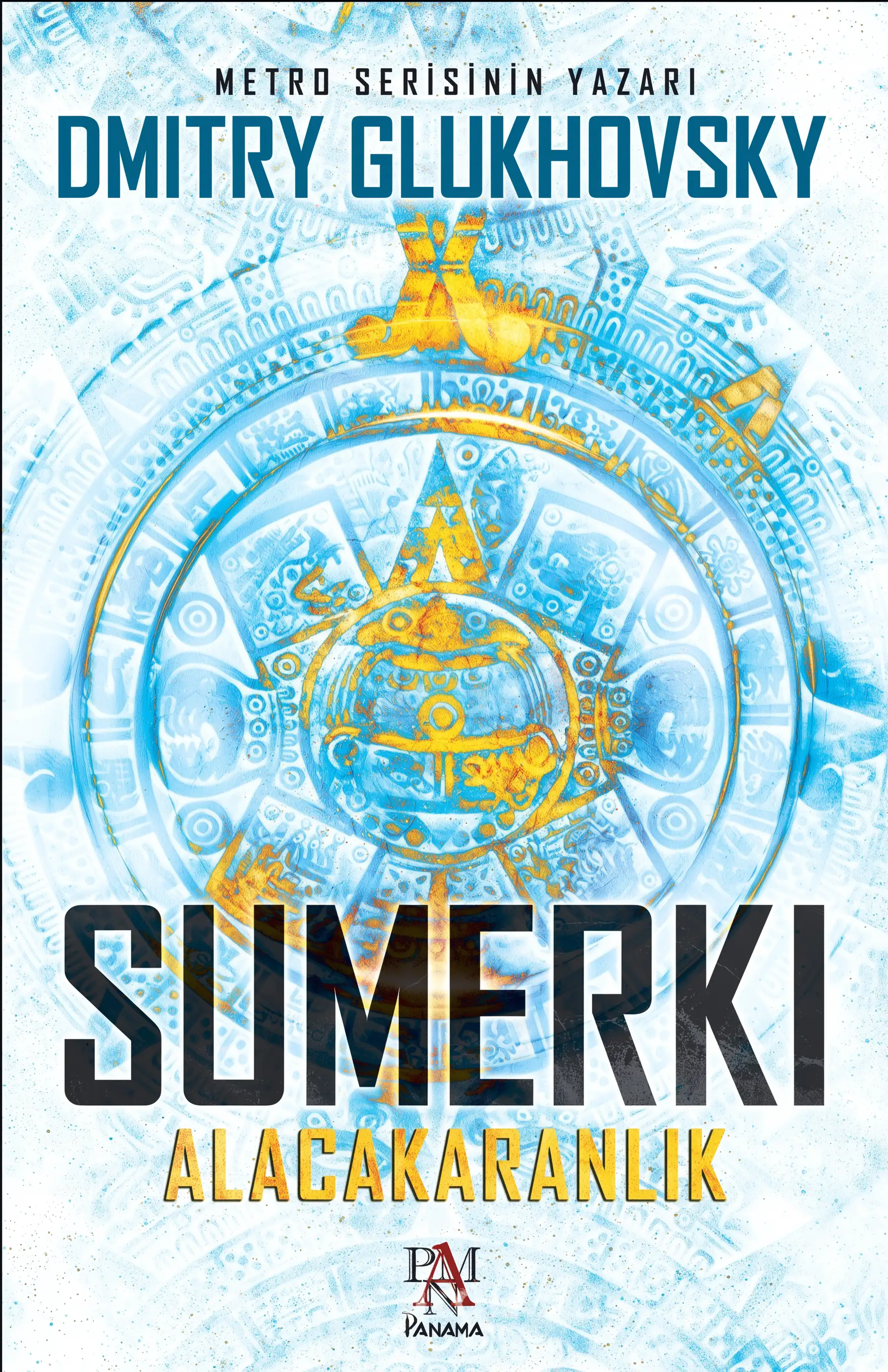
A reclusive translator, living like a hermit and wary of modern technology, receives an assignment that will turn his world upside down: to translate pages from an old diary written in Spanish. The diary belonged to a Castilian conquistador who, five hundred years earlier, took part in the conquest of Mayan lands in the New World. The expedition had a peculiar mission: to collect and destroy all manuscripts of the ancient civilization, so that the knowledge hidden within them would never fall into the hands of future generations.
Inspired by the traditions of Latin American magical realism, «Sumerki» was awarded the Best European Novel prize at the Les Utopiales literary festival in France. The book has been translated into more than twenty languages.
A reclusive translator, living like a hermit and wary of modern technology, receives an assignment that will turn his world upside down: to translate pages from an old diary written in Spanish. The diary belonged to a Castilian conquistador who, five hundred years earlier, took part in the conquest of Mayan lands in the New World. The expedition had a peculiar mission: to collect and destroy all manuscripts of the ancient civilization, so that the knowledge hidden within them would never fall into the hands of future generations.
Inspired by the traditions of Latin American magical realism, «Sumerki» was awarded the Best European Novel prize at the Les Utopiales literary festival in France. The book has been translated into more than twenty languages.


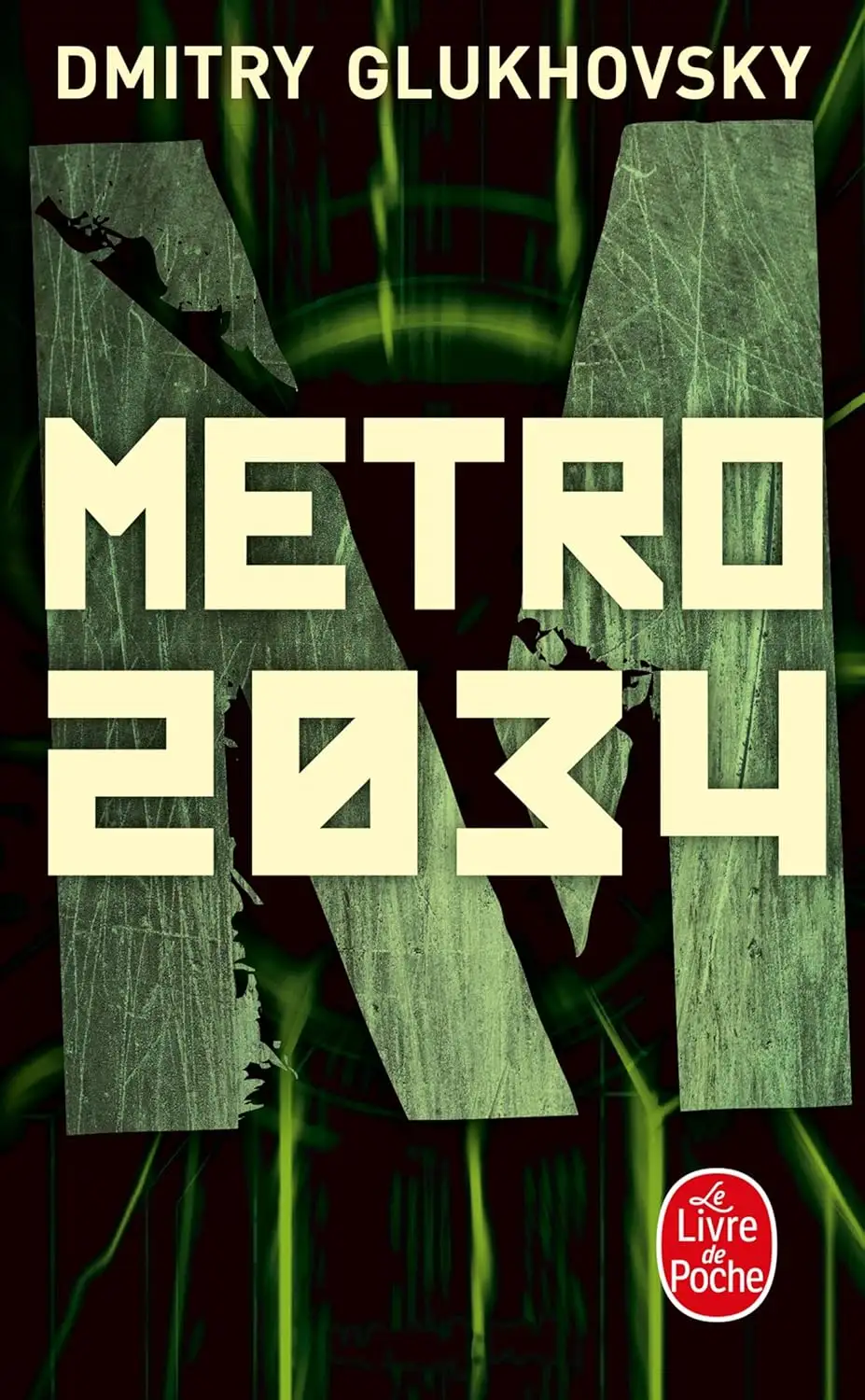
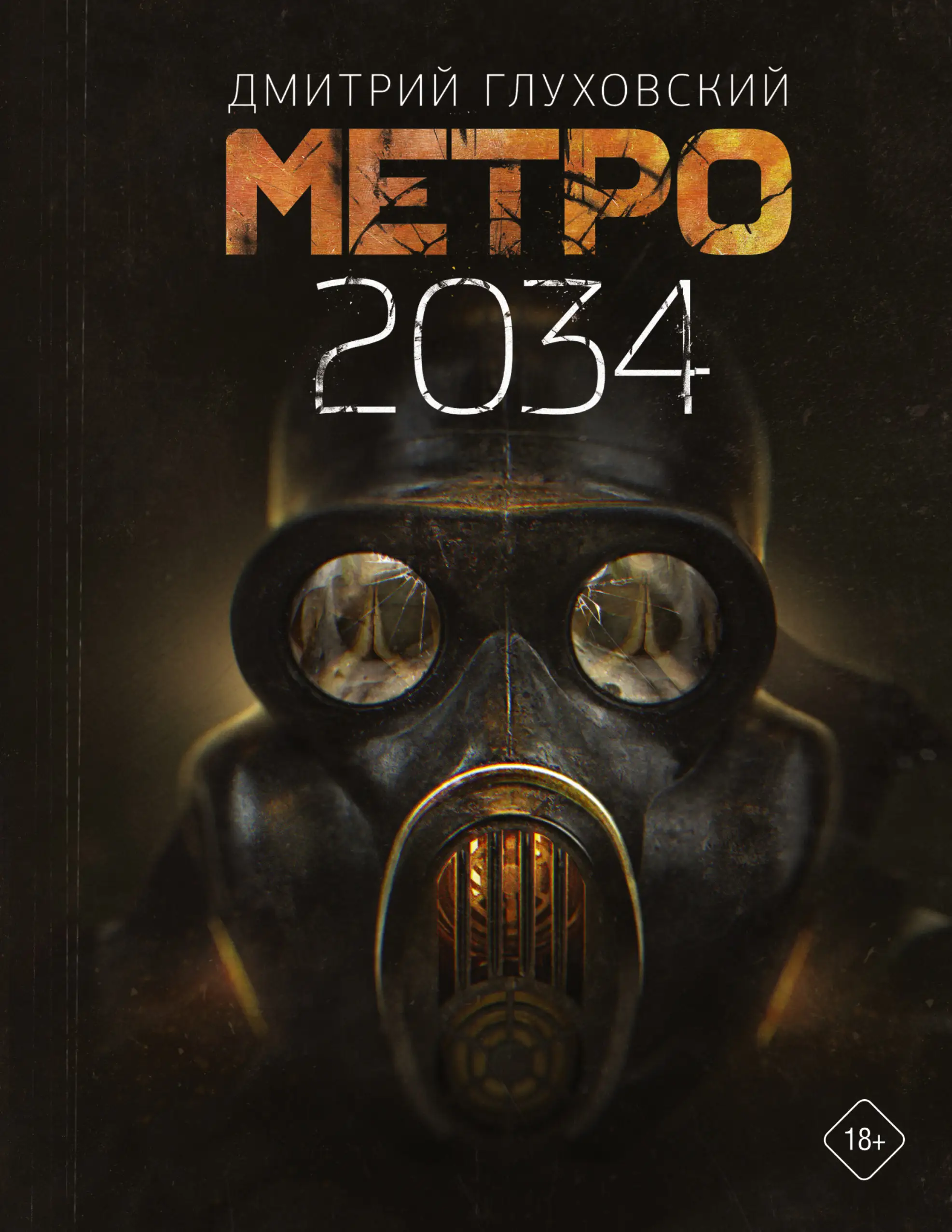
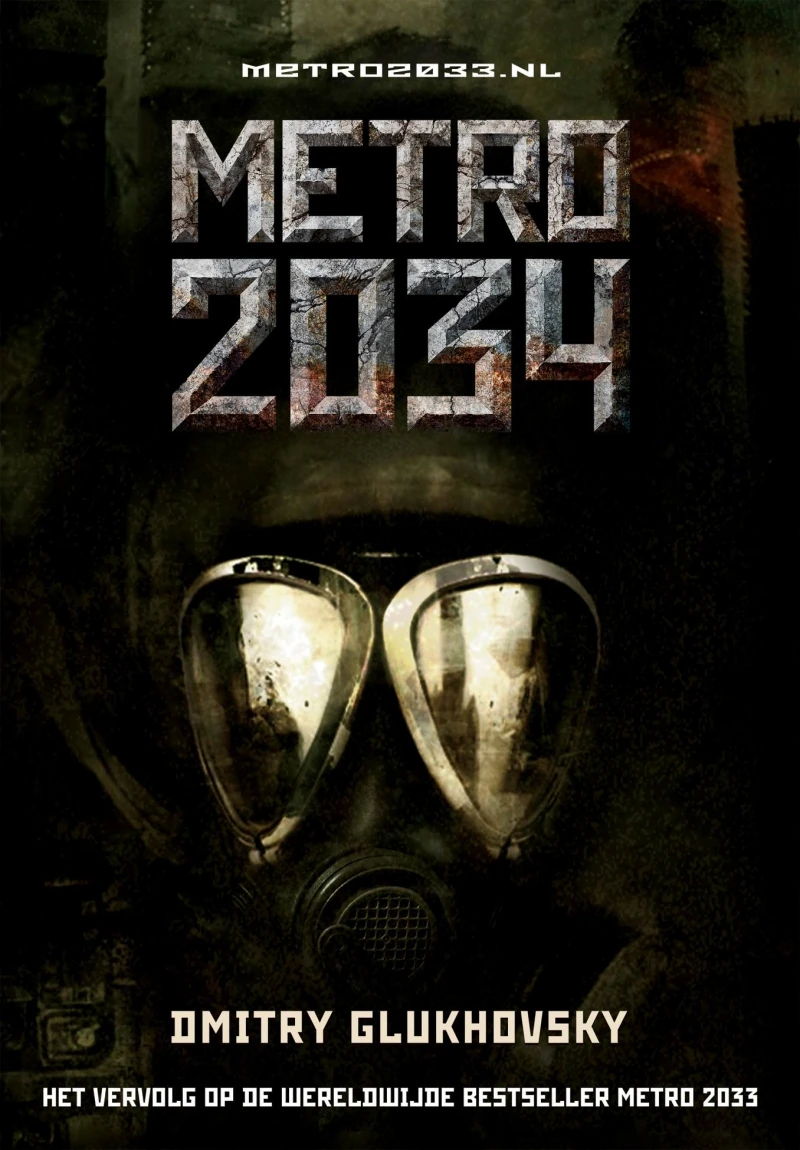
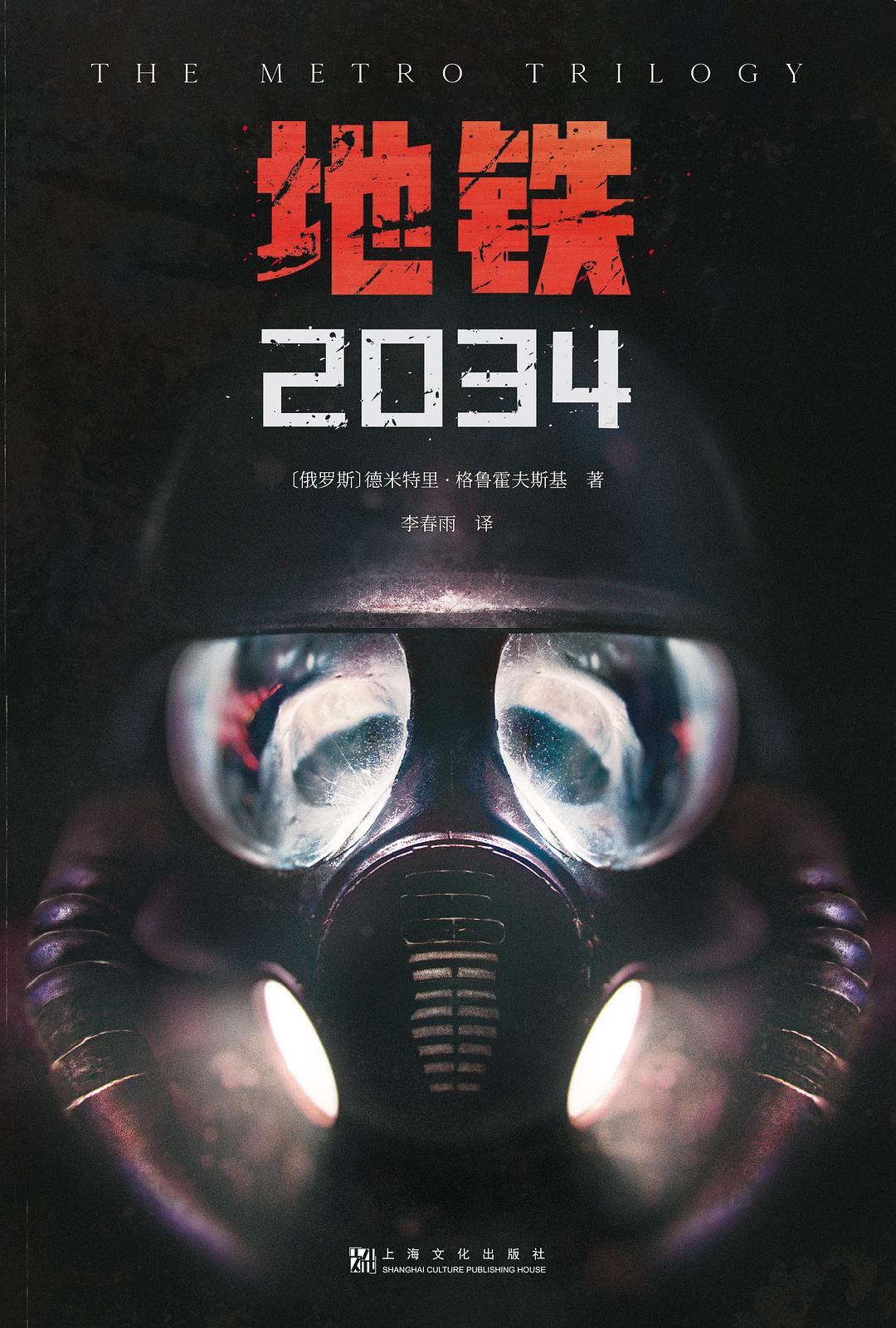
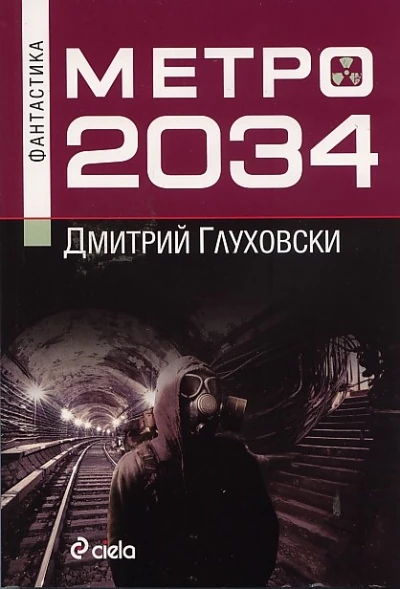
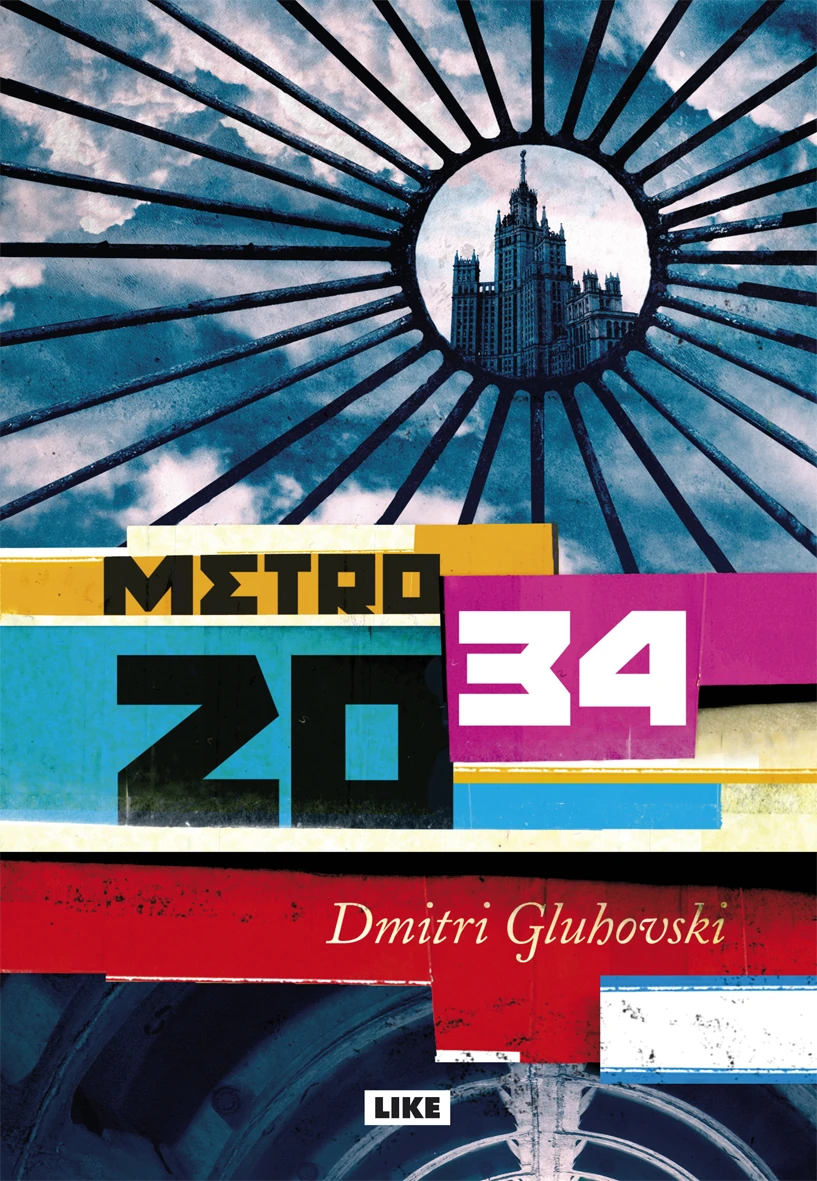
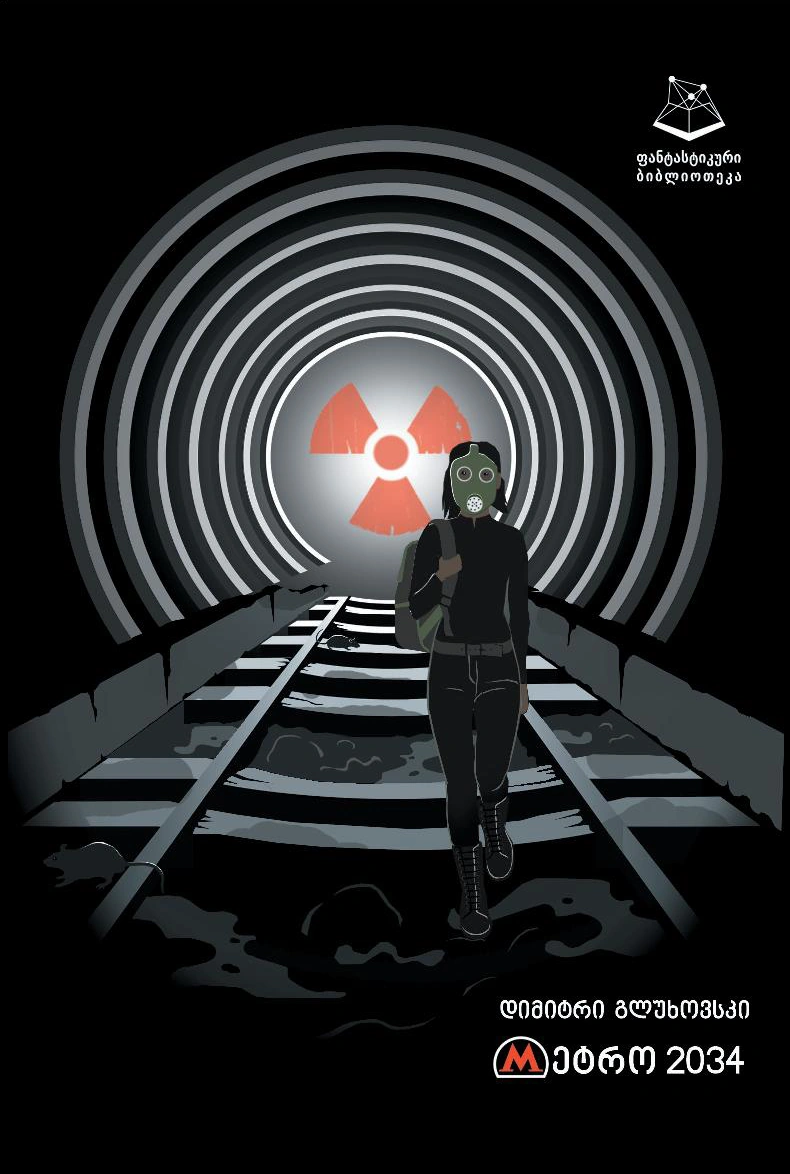
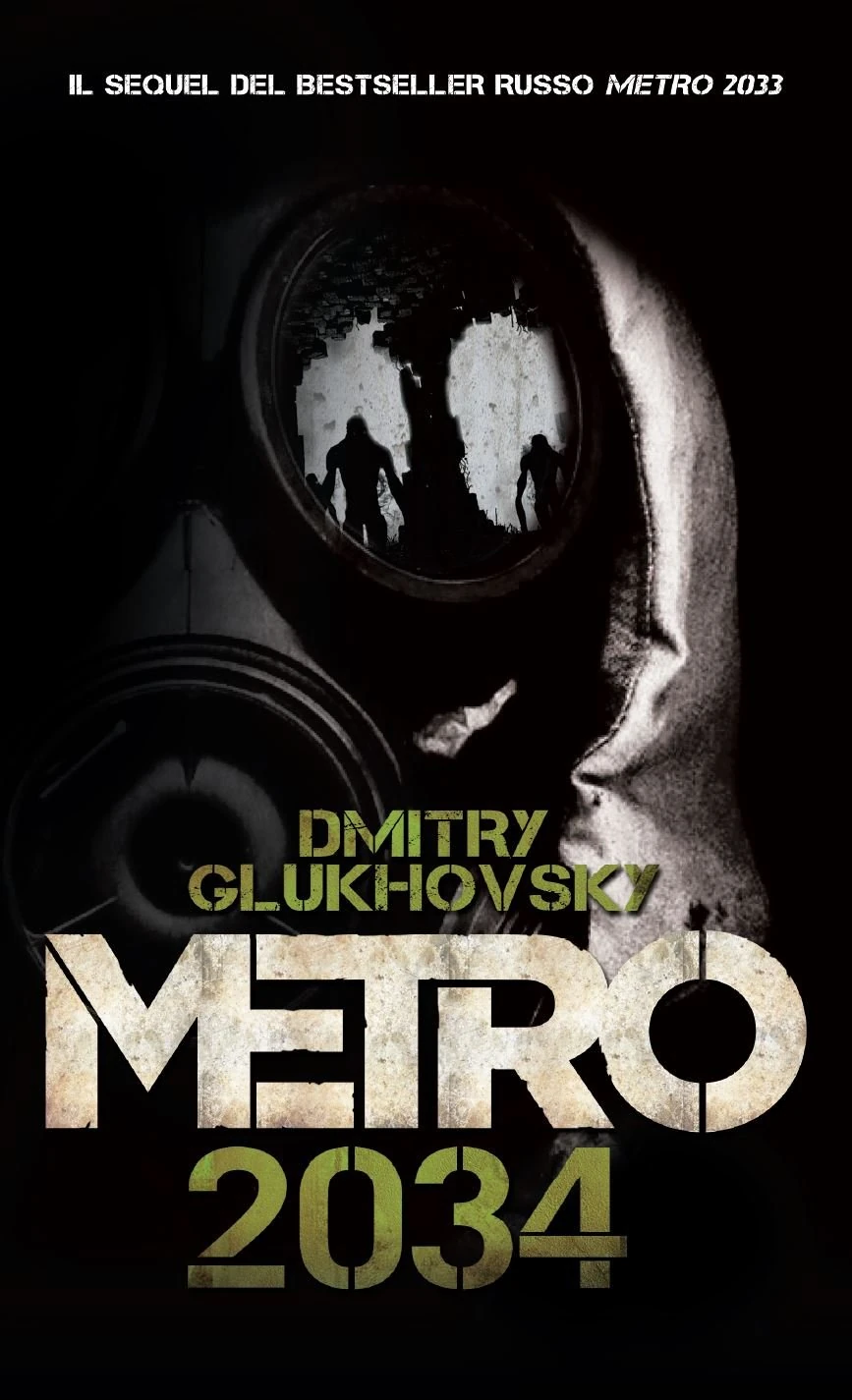
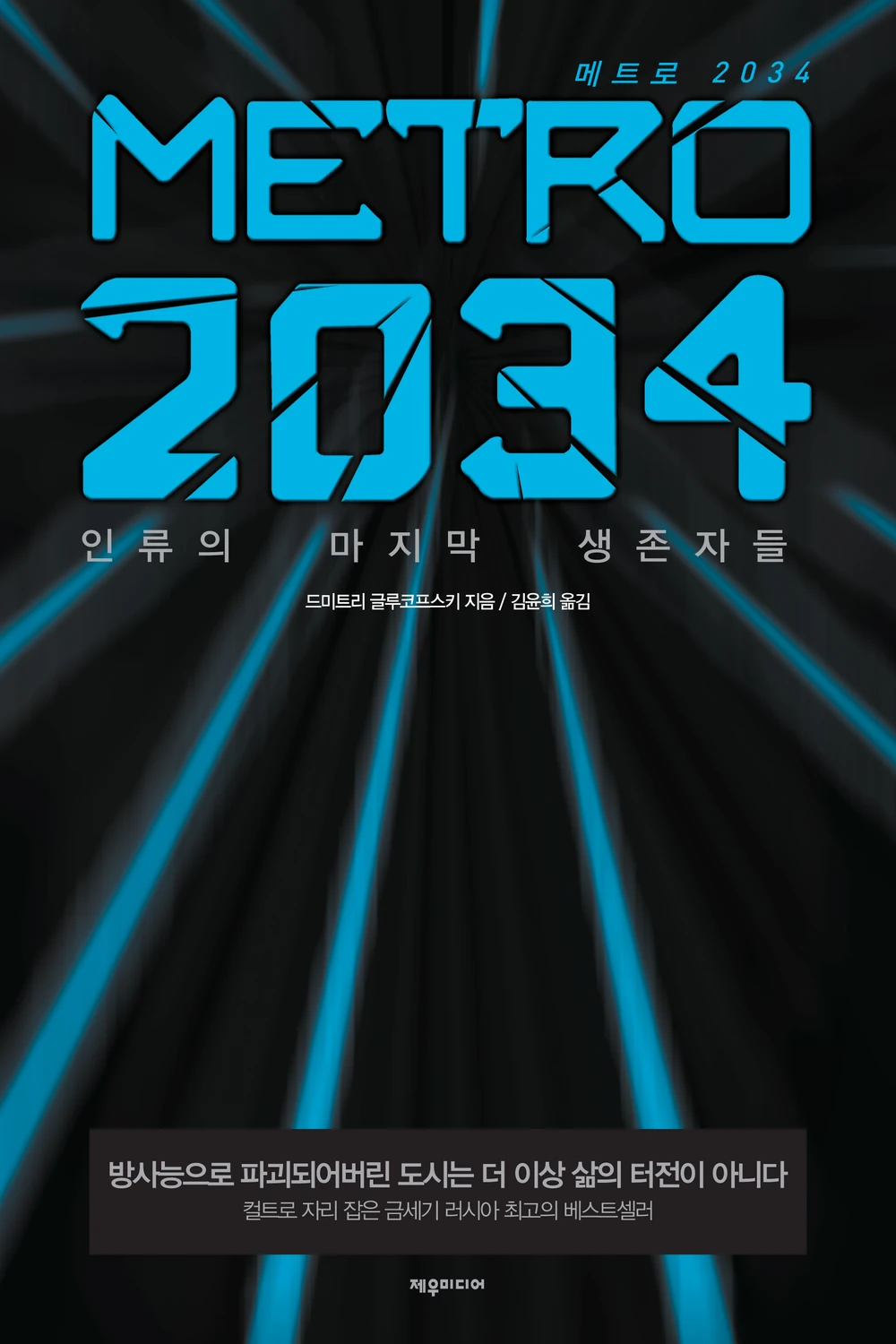
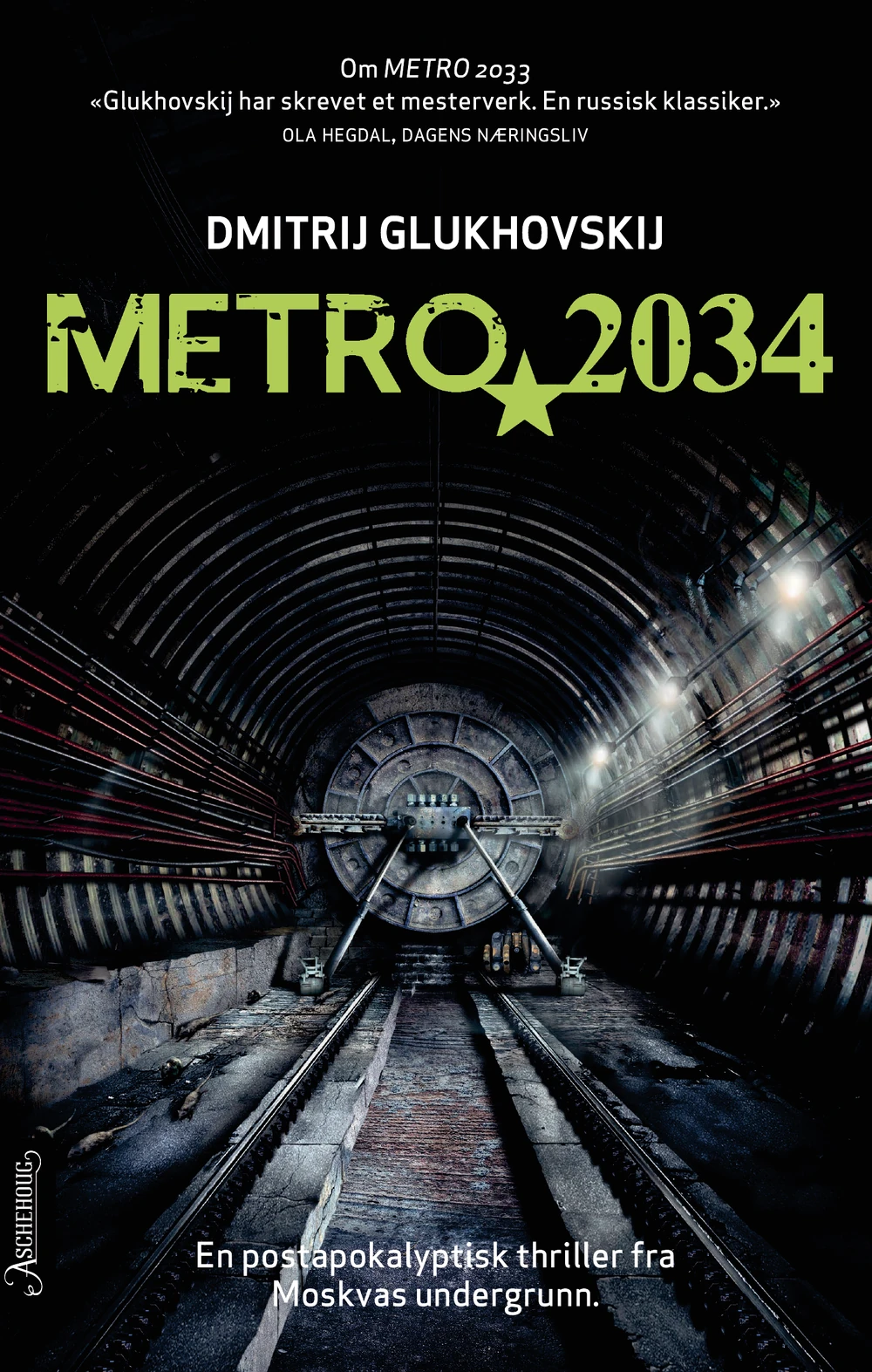
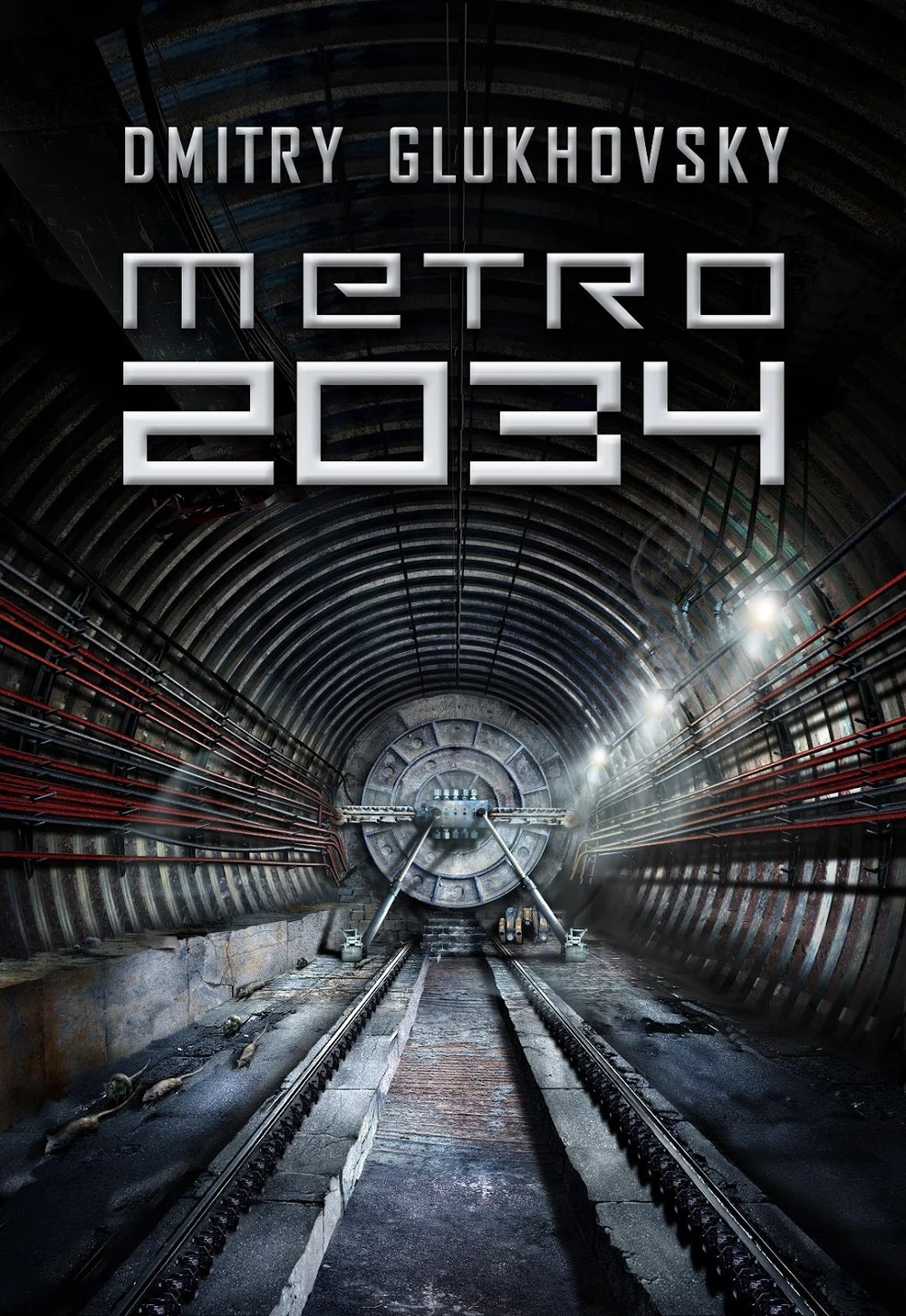
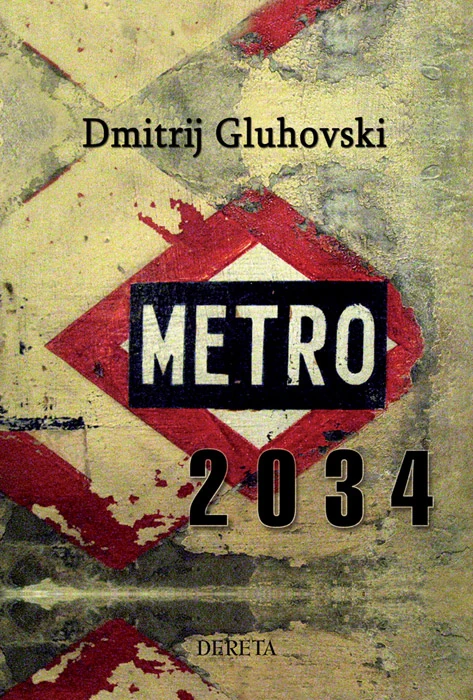
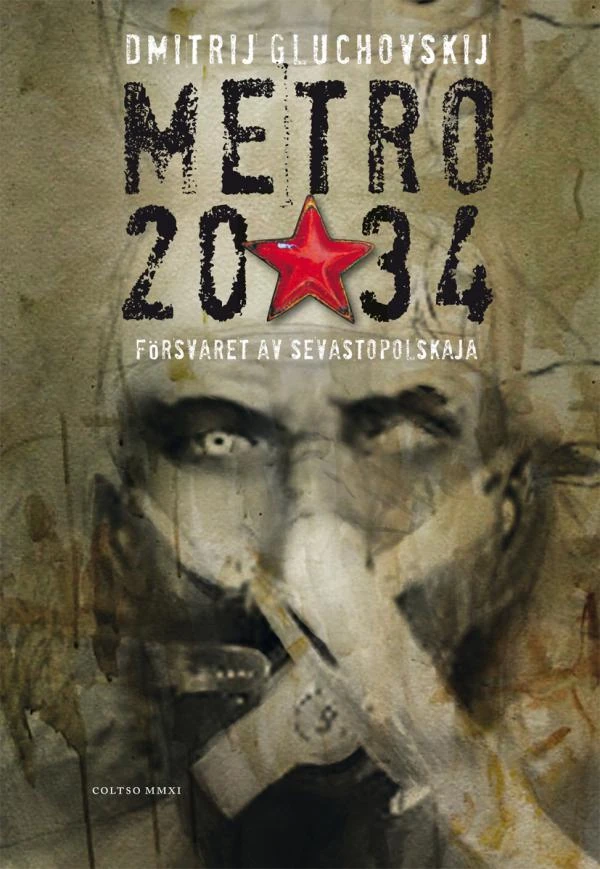
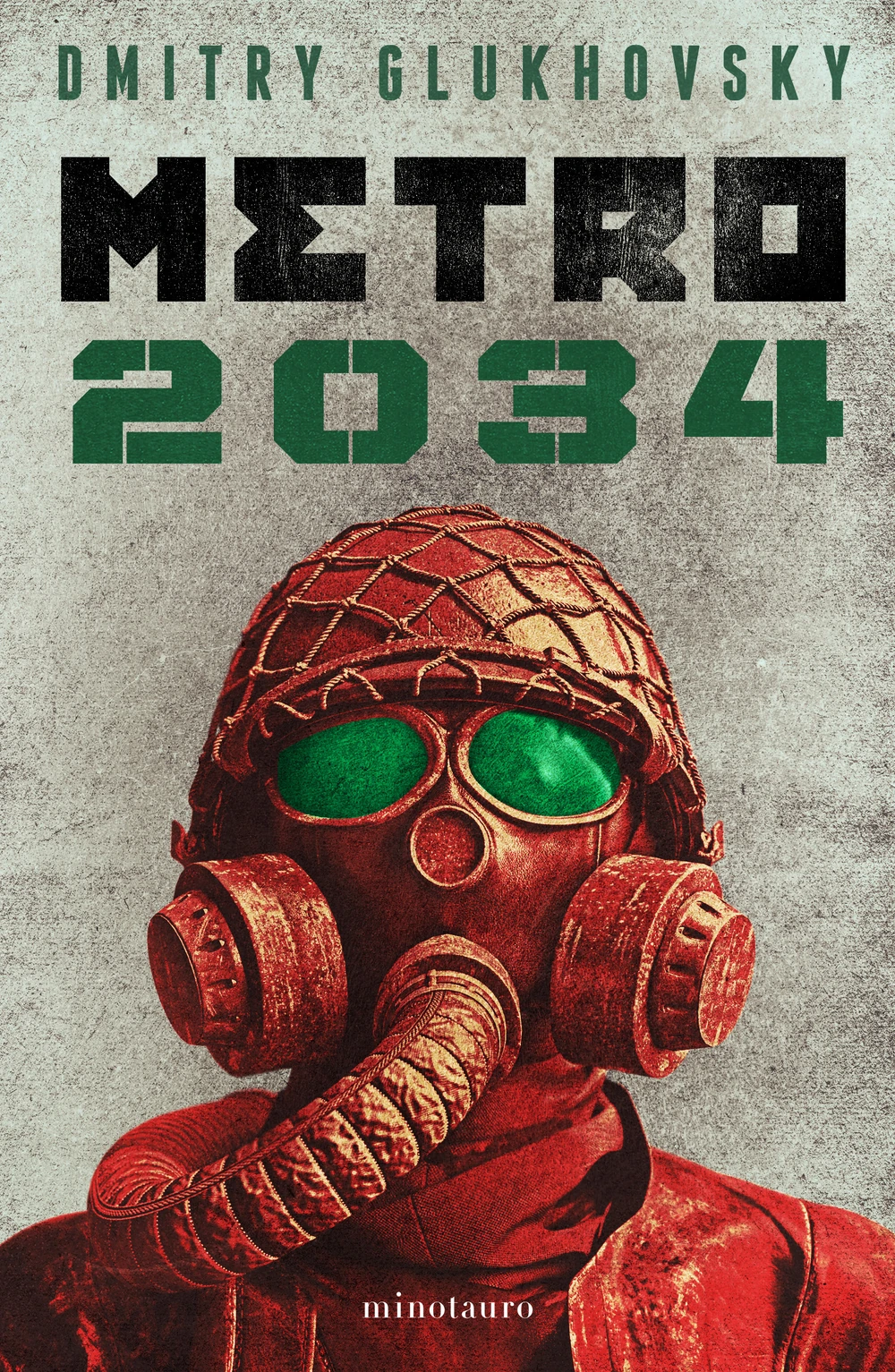
Continuing the story of survival in the catacombs of the Moscow Metro after World War III, «Metro 2034» follows new characters in this desperate struggle. Humanity has retreated into the caverns, with no hope for tomorrow — its only source of strength and light lies in memories of yesterday, in the lost grandeur of civilization. The greatest challenge is to preserve one’s humanity — and not descend into savagery.
Continuing the story of survival in the catacombs of the Moscow Metro after World War III, «Metro 2034» follows new characters in this desperate struggle. Humanity has retreated into the caverns, with no hope for tomorrow — its only source of strength and light lies in memories of yesterday, in the lost grandeur of civilization. The greatest challenge is to preserve one’s humanity — and not descend into savagery.

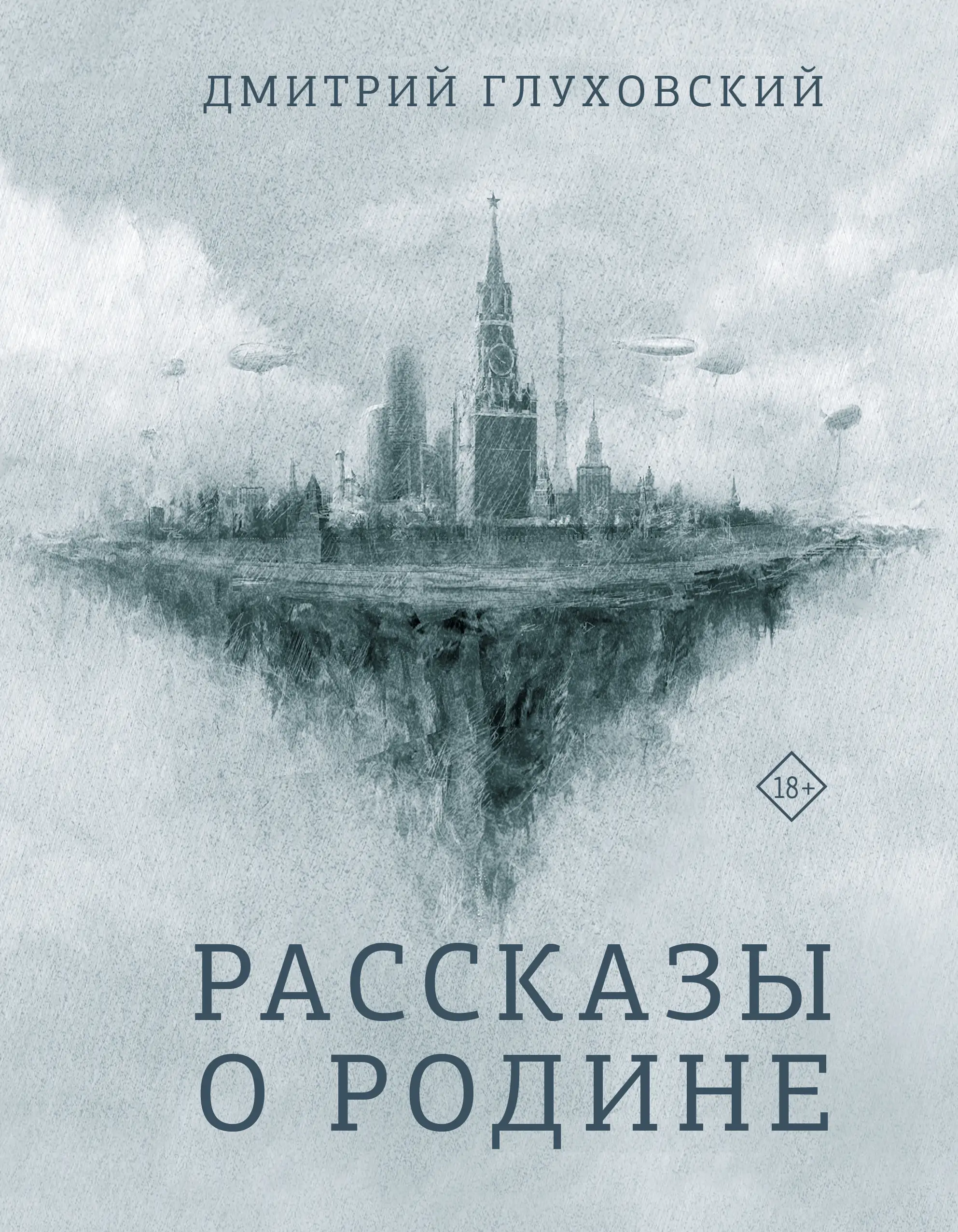
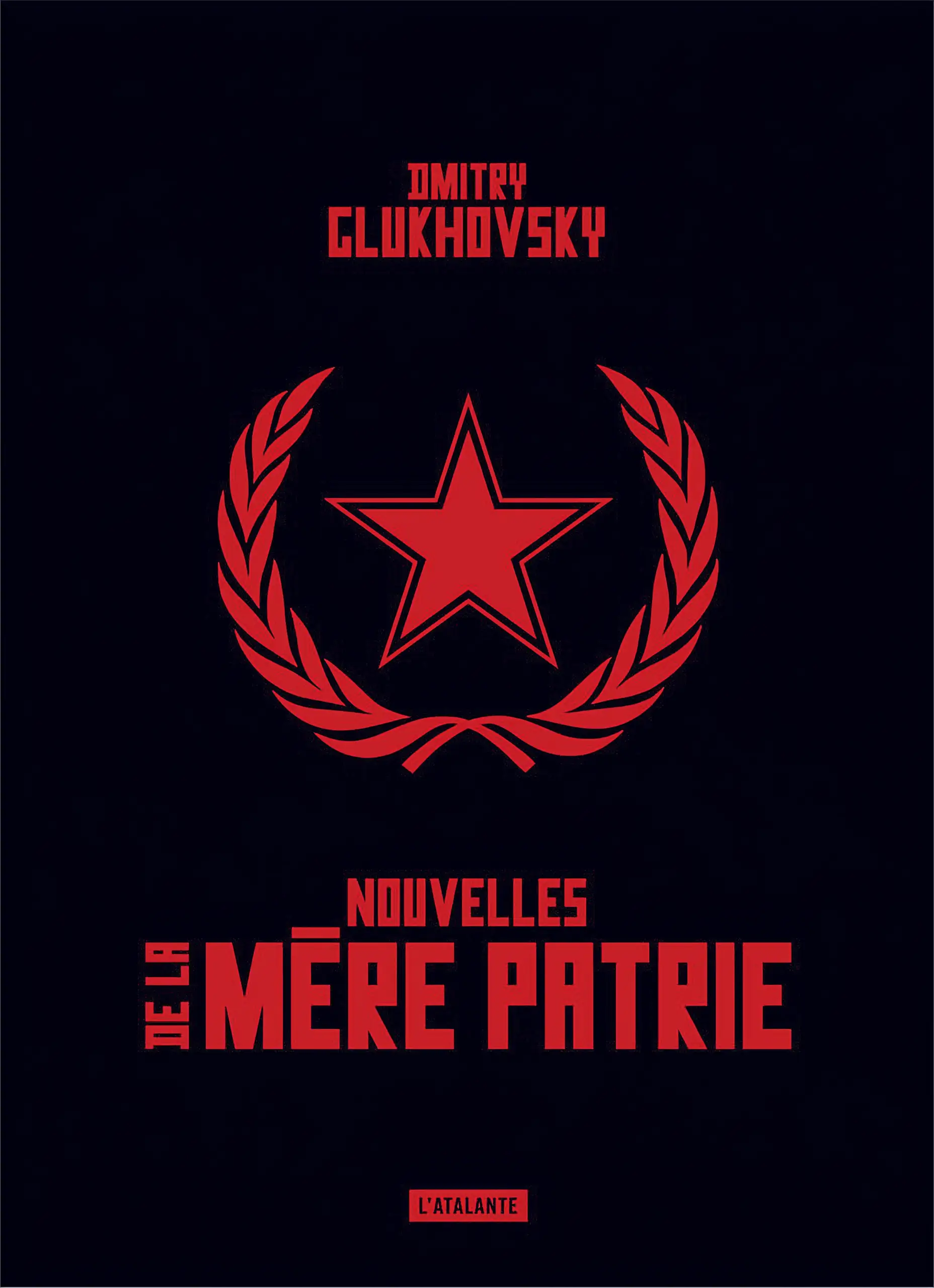
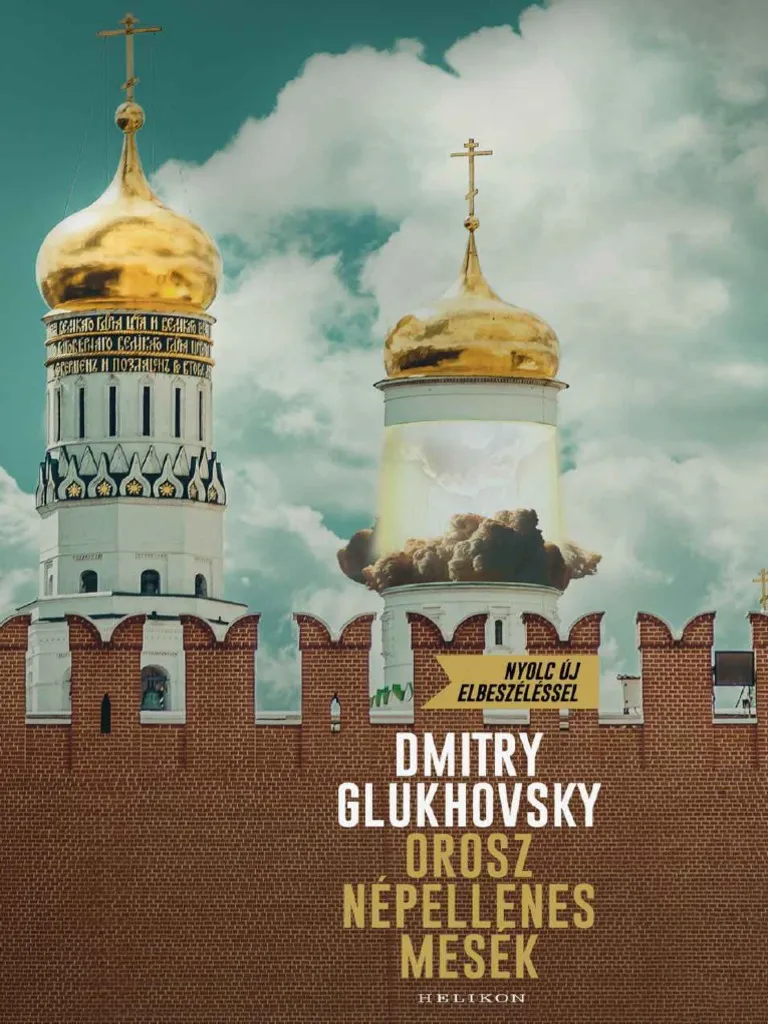


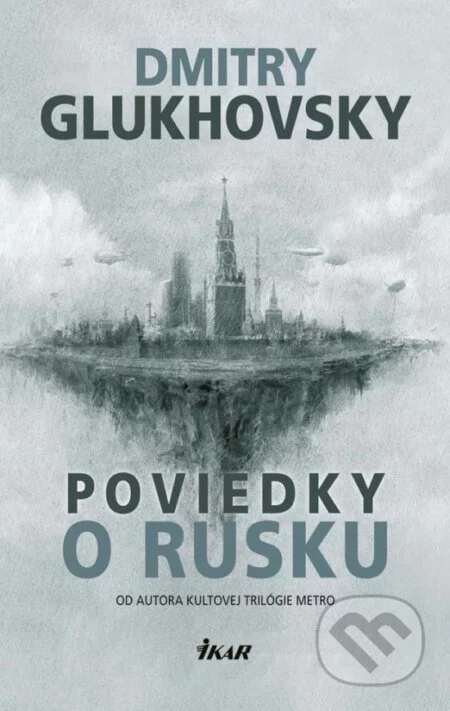
A collection of satirical short stories portraying Russian life and the realities of the country’s political system — the rift between imagined Russia and the real one, the relationship between power and the people, between plain truth and official lies. This is the first book in which Dmitry Glukhovsky ventures into politicized, sharply social prose.
From a series of anecdotal tales — about policemen, tractor drivers, migrant workers, political analysts, prostitutes, presidents, and prime ministers — «Tales from the Motherland» forms an absurd puzzle that paints a picture of Russia as it was in the first two decades of this century, while the Putin dictatorship was still maturing and taking its first awkward steps.
A collection of satirical short stories portraying Russian life and the realities of the country’s political system — the rift between imagined Russia and the real one, the relationship between power and the people, between plain truth and official lies. This is the first book in which Dmitry Glukhovsky ventures into politicized, sharply social prose.
From a series of anecdotal tales — about policemen, tractor drivers, migrant workers, political analysts, prostitutes, presidents, and prime ministers — «Tales from the Motherland» forms an absurd puzzle that paints a picture of Russia as it was in the first two decades of this century, while the Putin dictatorship was still maturing and taking its first awkward steps.
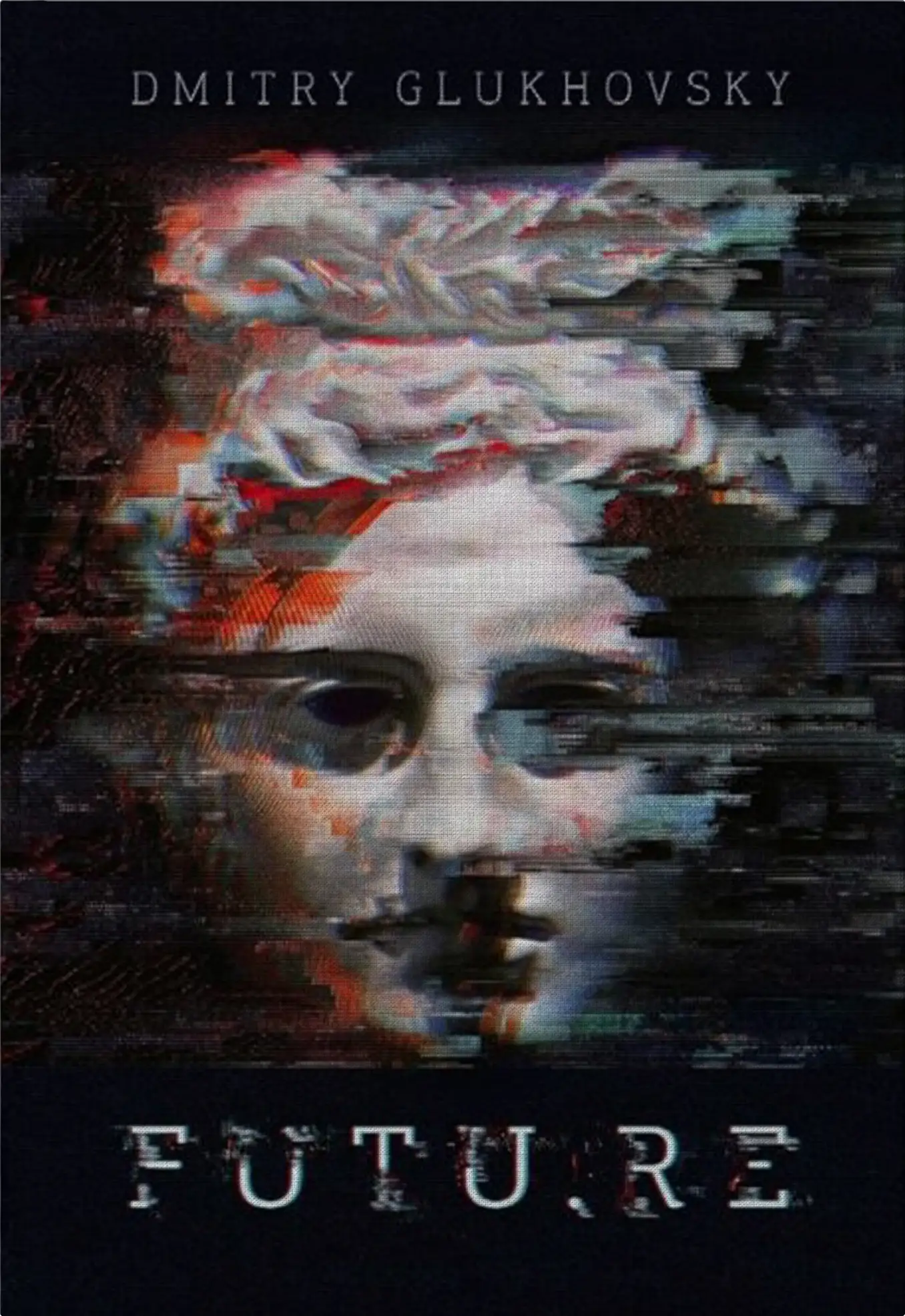
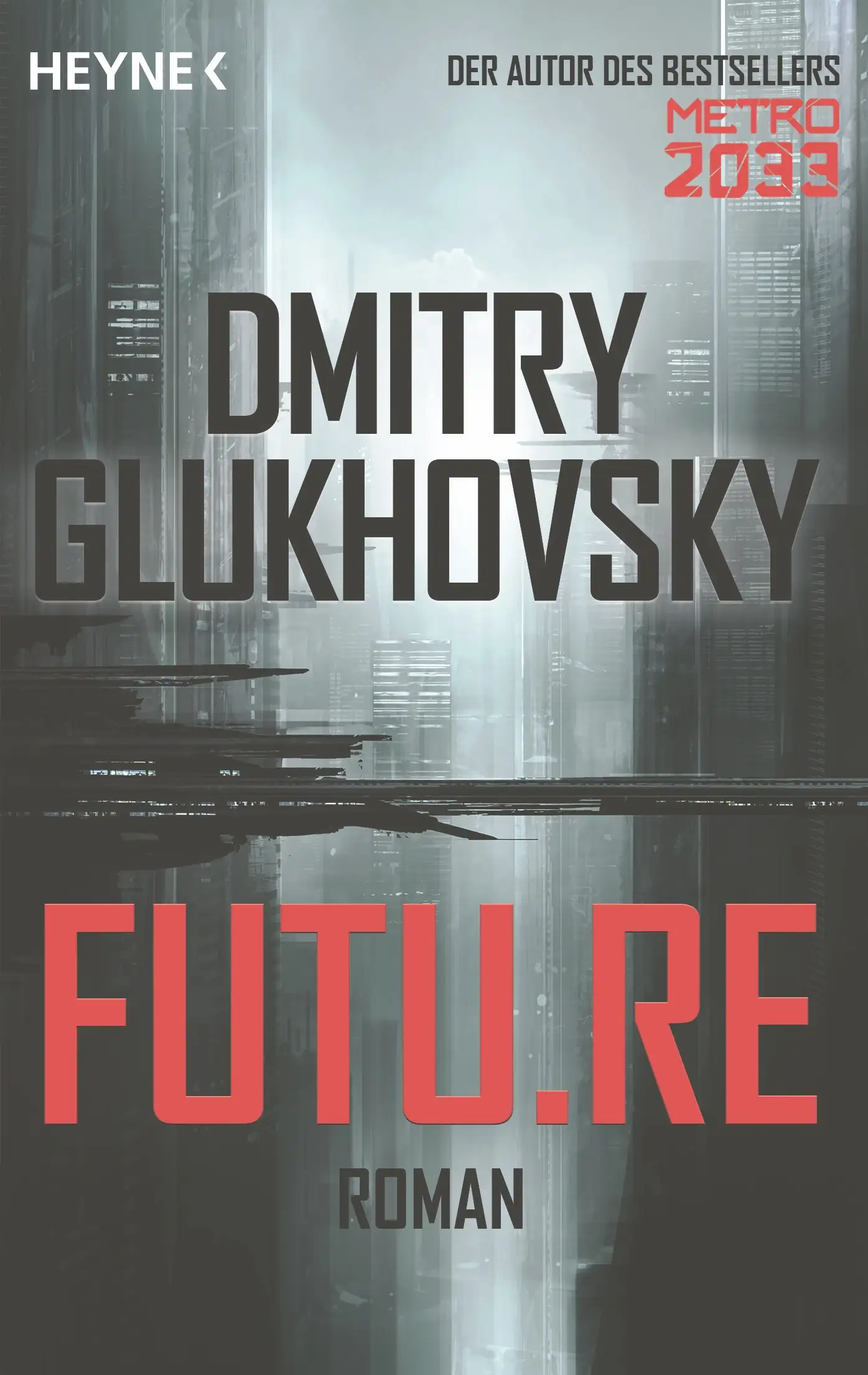
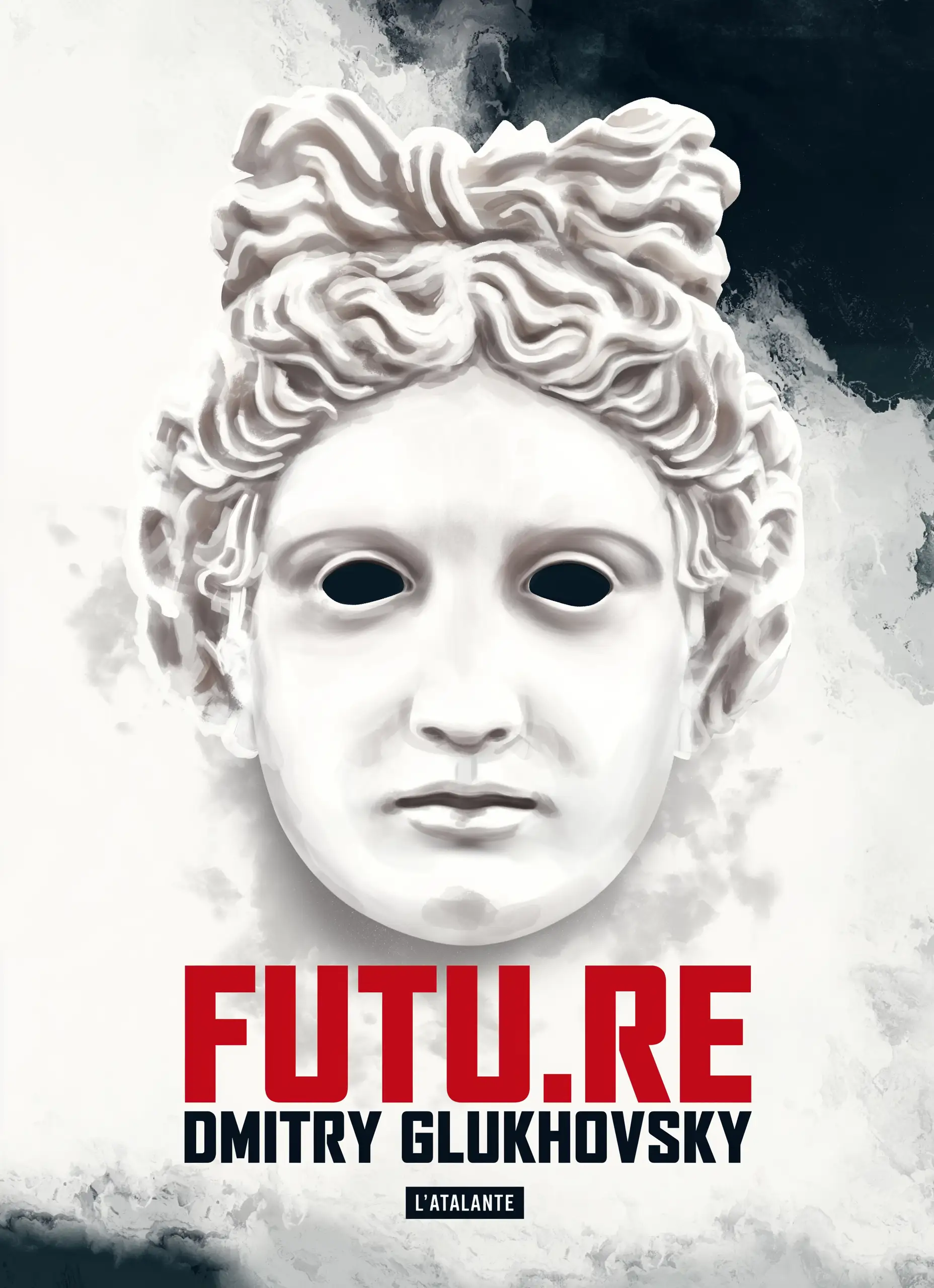

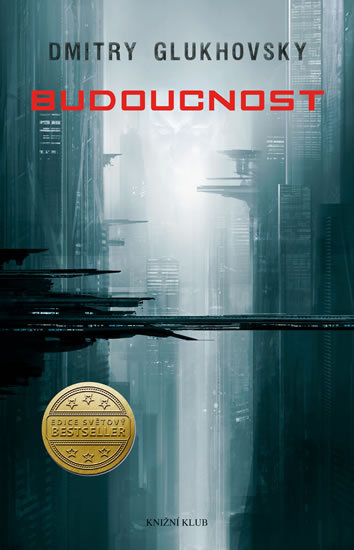
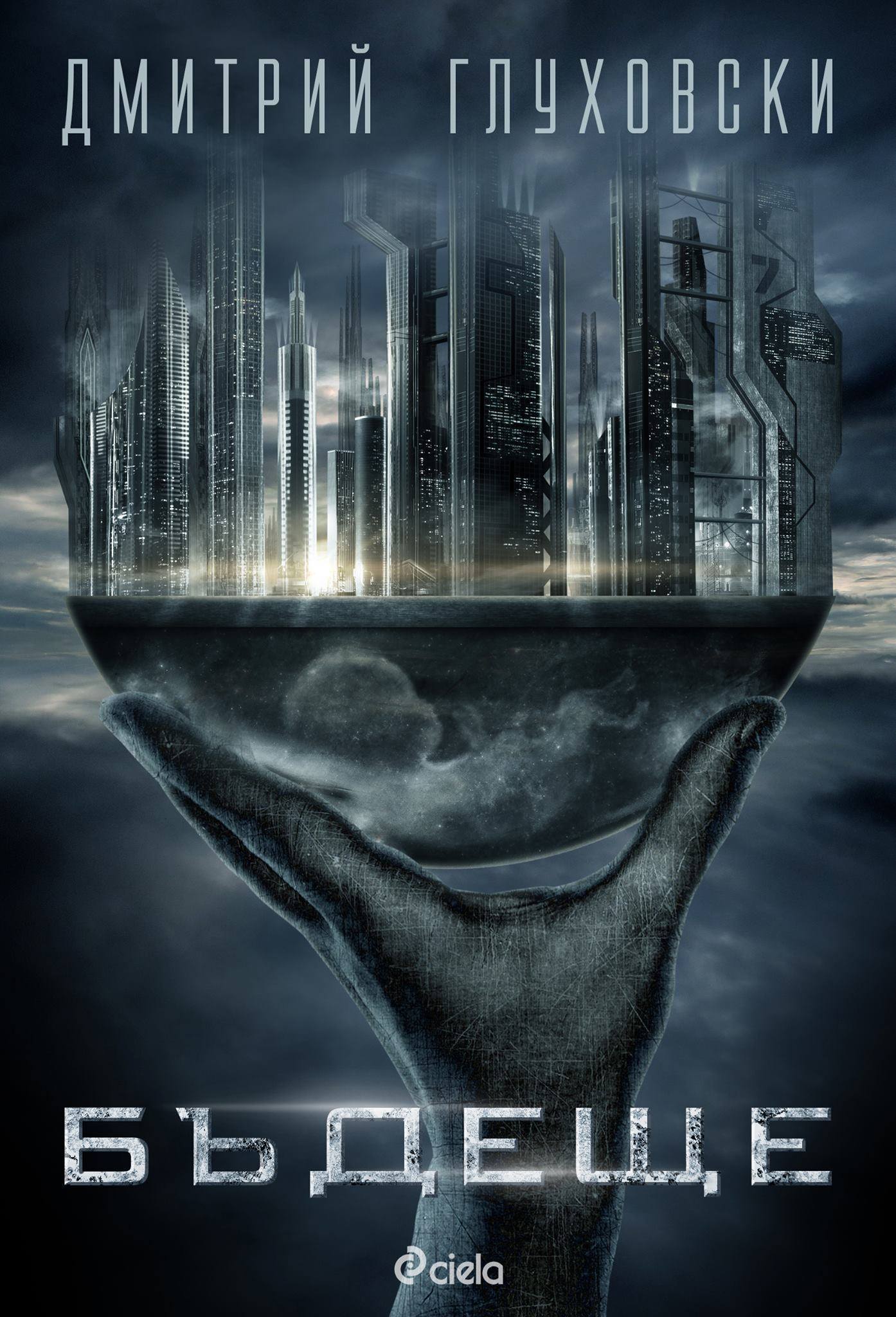
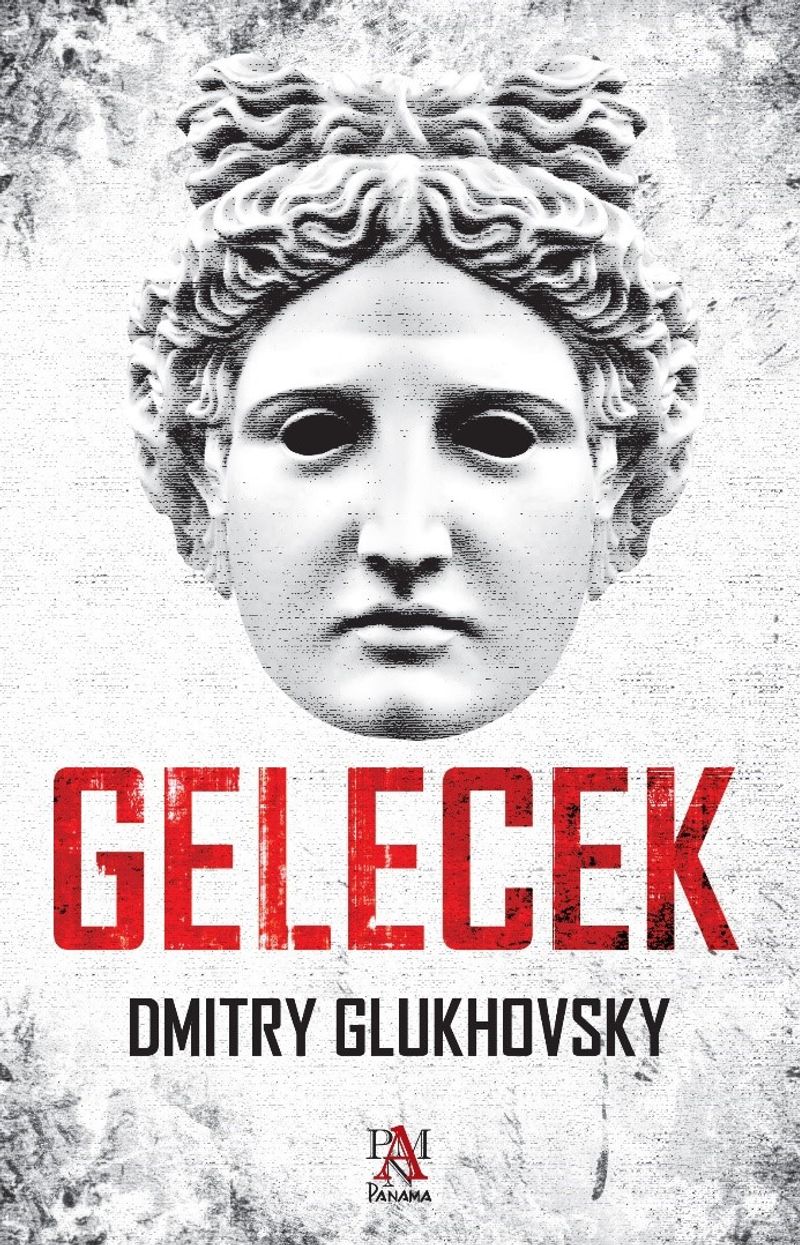
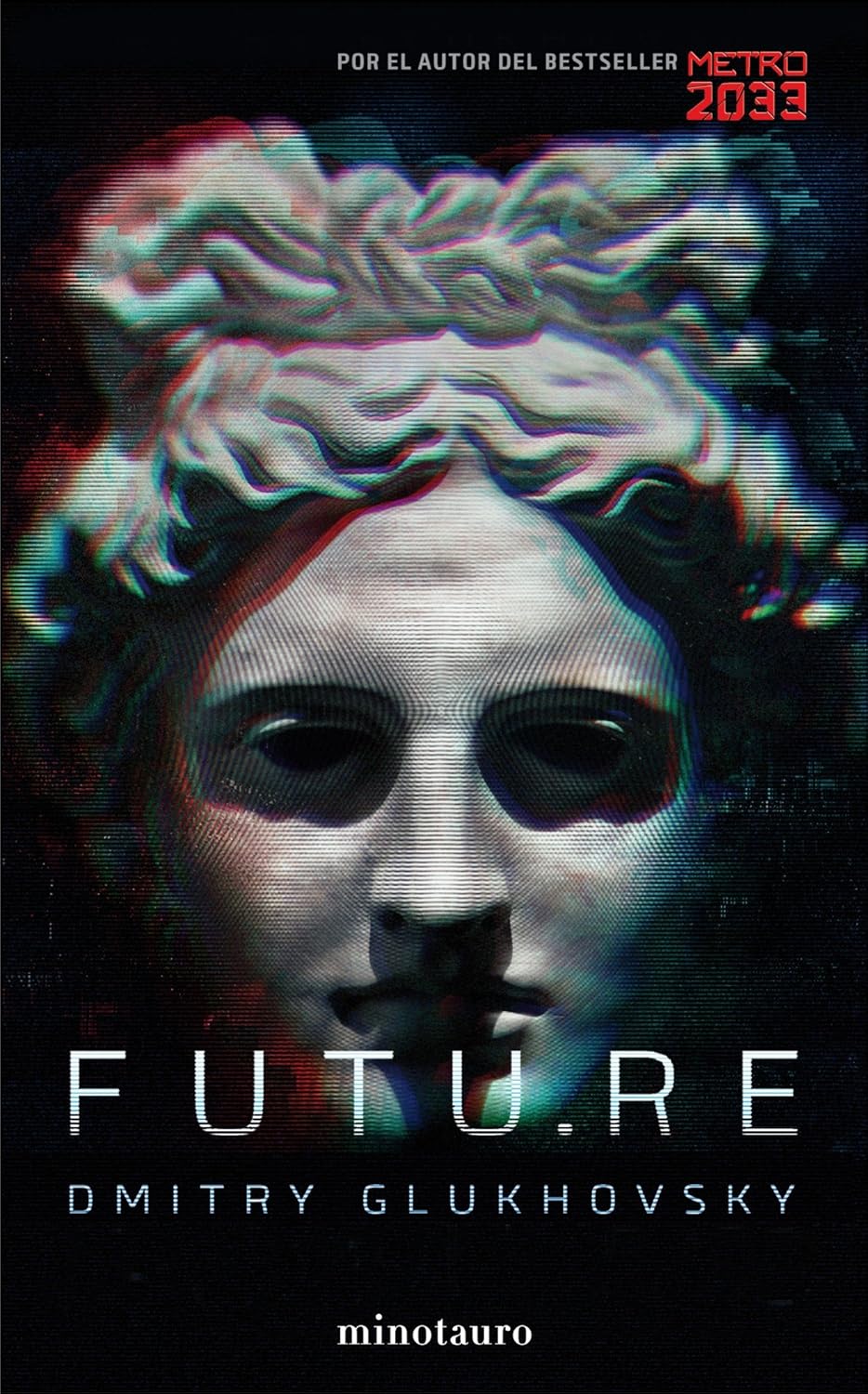
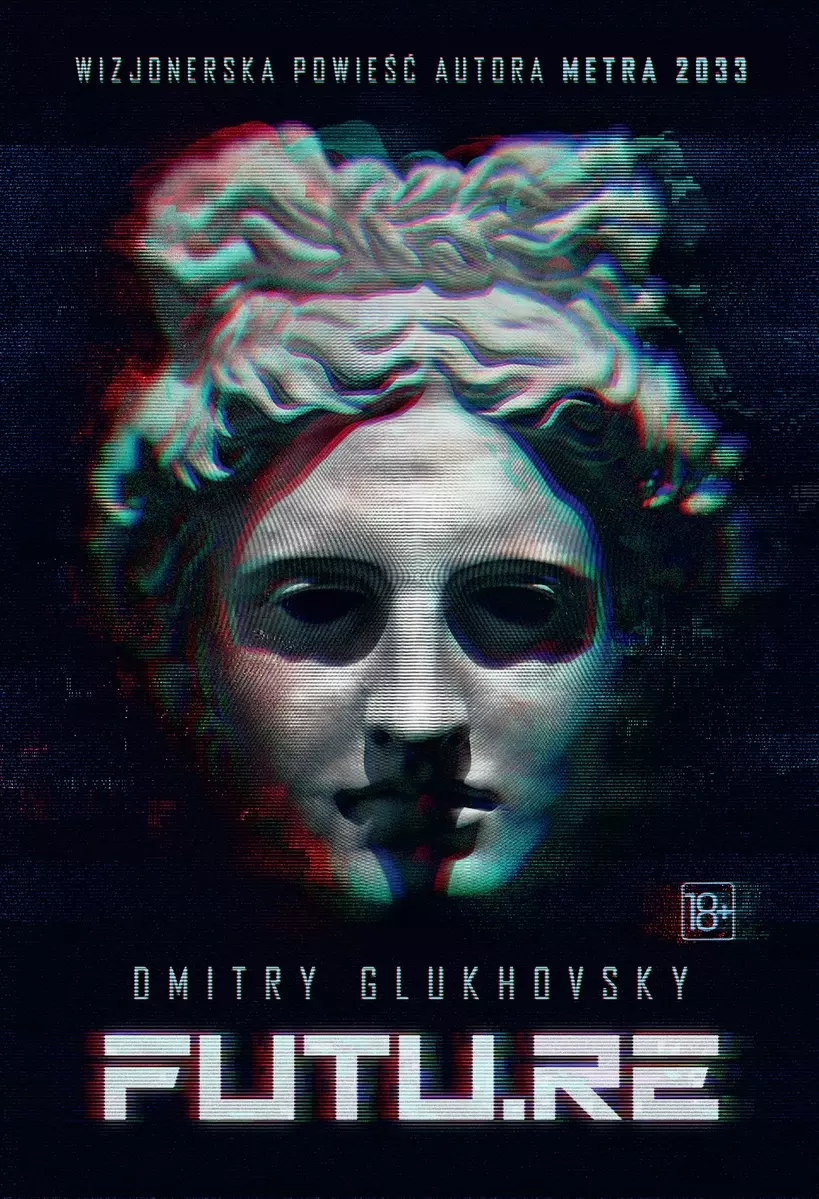
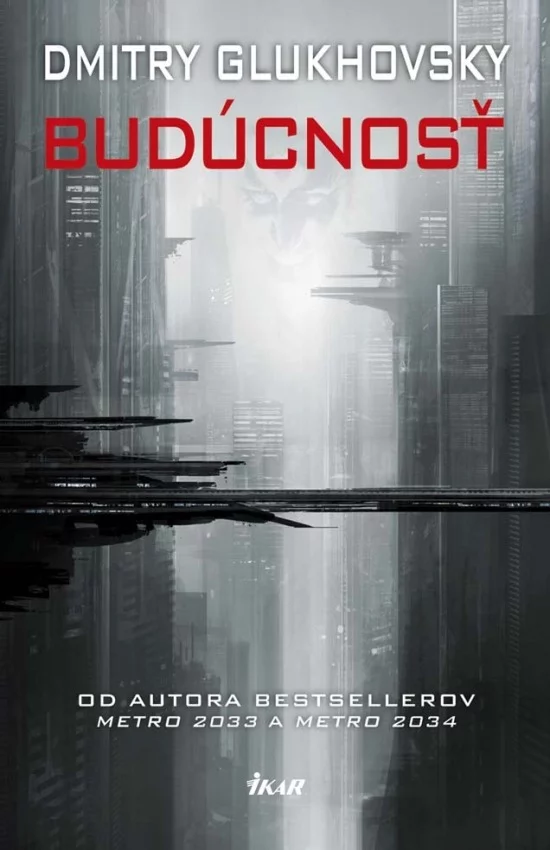
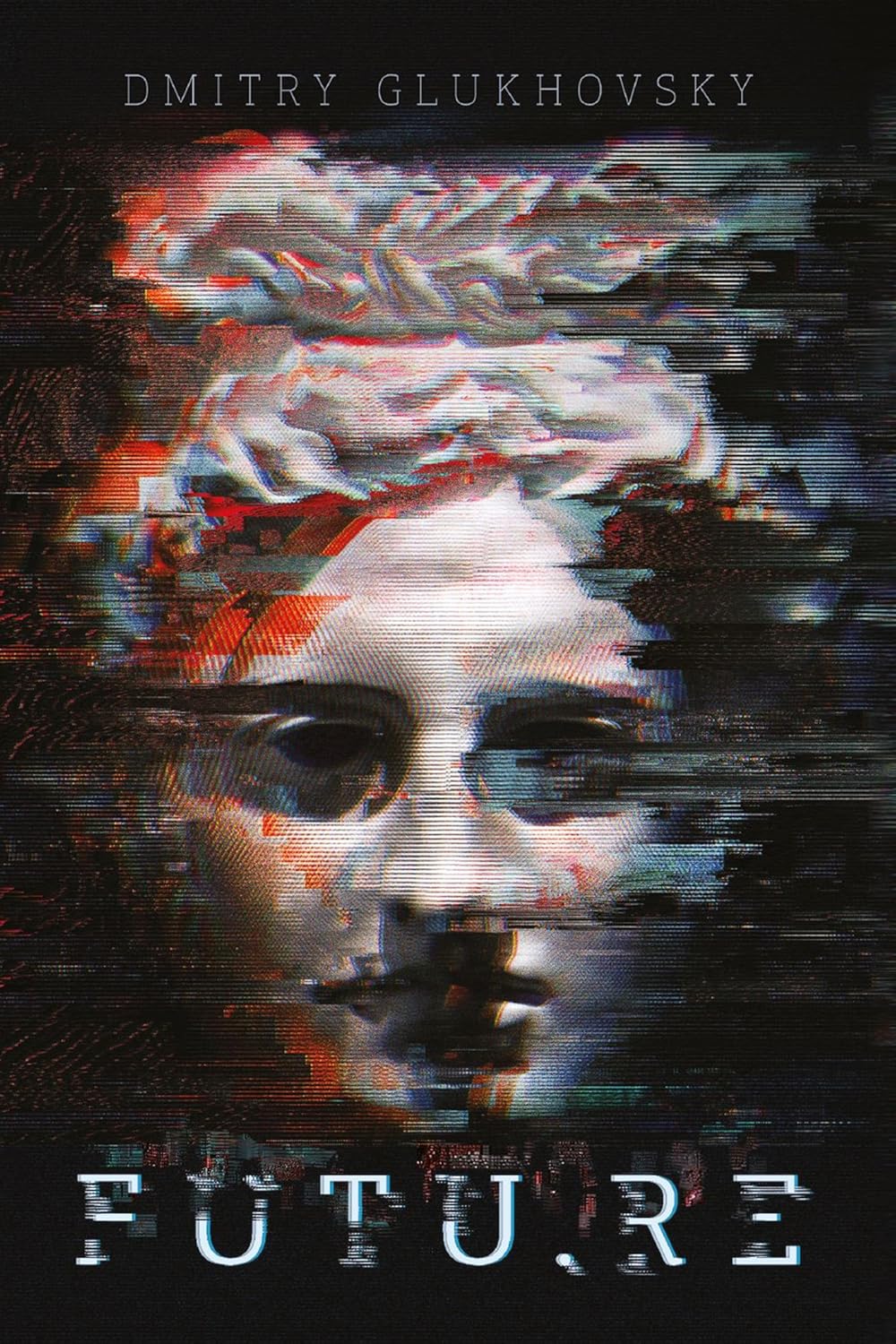

A distant future: death has been defeated. Through genetic engineering, humanity has learned to stop aging. The world is populated by eternally young, healthy, and carefree people… but it is overpopulated. The Earth is covered with colossal skyscrapers that have buried the old European and American cities beneath them, along with all their landmarks. Both the economy and the environment are stretched to their limits. There is no room left for new people, so everyone is given a choice: live forever or have a child. Couples who wish to have children must give up eternal youth. Anyone who dares to break this law risks losing both their children and their immortality. The law is enforced by the ruthless Immortals — soldiers devoid of human emotion. One of them is Yan, known to his comrades as Number 717. A mission that seems routine at first will turn his entire world upside down.
A distant future: death has been defeated. Through genetic engineering, humanity has learned to stop aging. The world is populated by eternally young, healthy, and carefree people… but it is overpopulated. The Earth is covered with colossal skyscrapers that have buried the old European and American cities beneath them, along with all their landmarks. Both the economy and the environment are stretched to their limits. There is no room left for new people, so everyone is given a choice: live forever or have a child. Couples who wish to have children must give up eternal youth. Anyone who dares to break this law risks losing both their children and their immortality. The law is enforced by the ruthless Immortals — soldiers devoid of human emotion. One of them is Yan, known to his comrades as Number 717. A mission that seems routine at first will turn his entire world upside down.
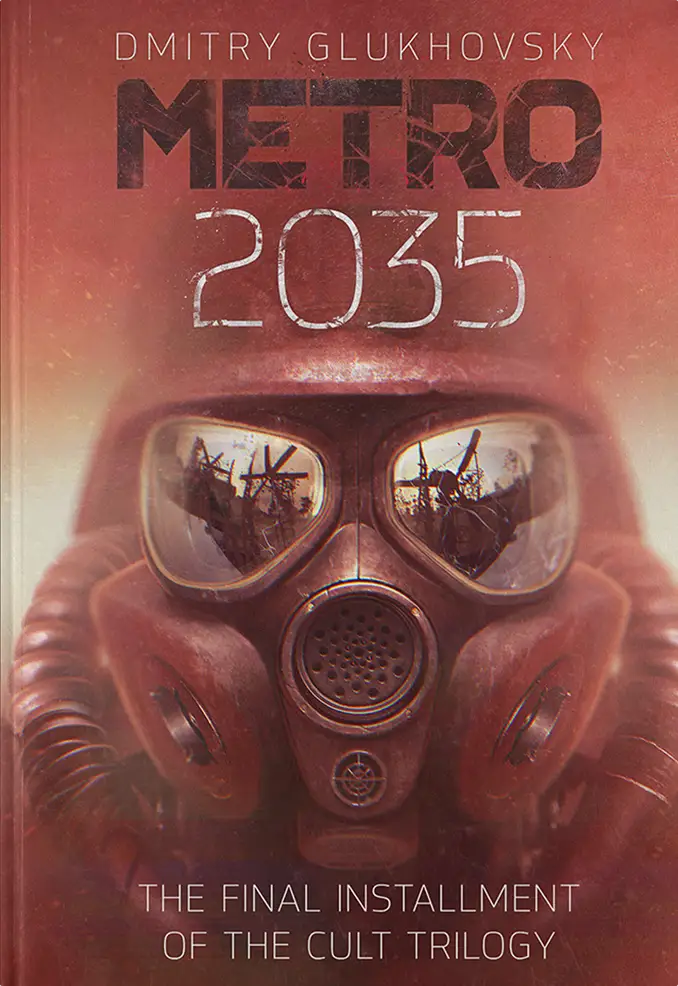
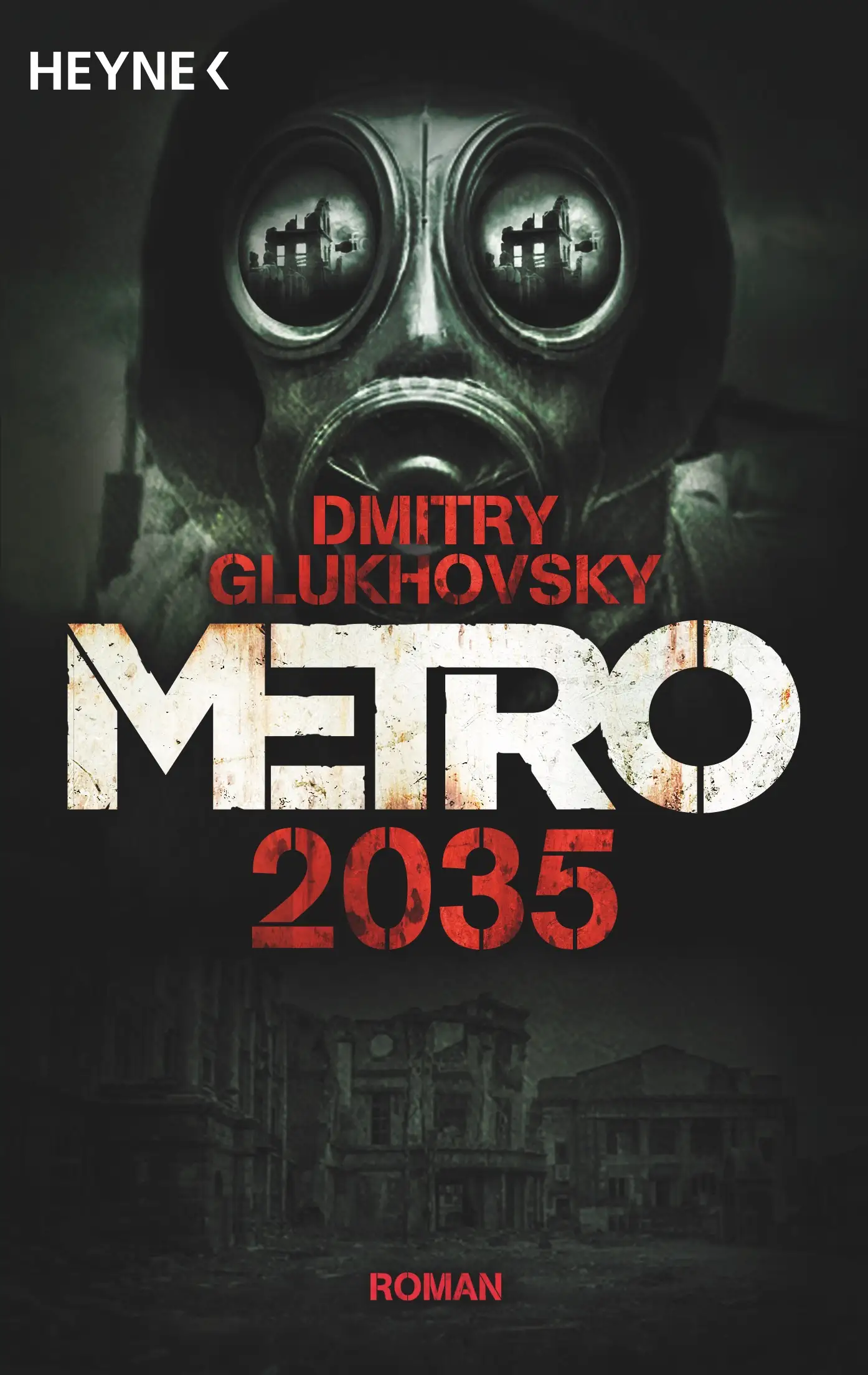
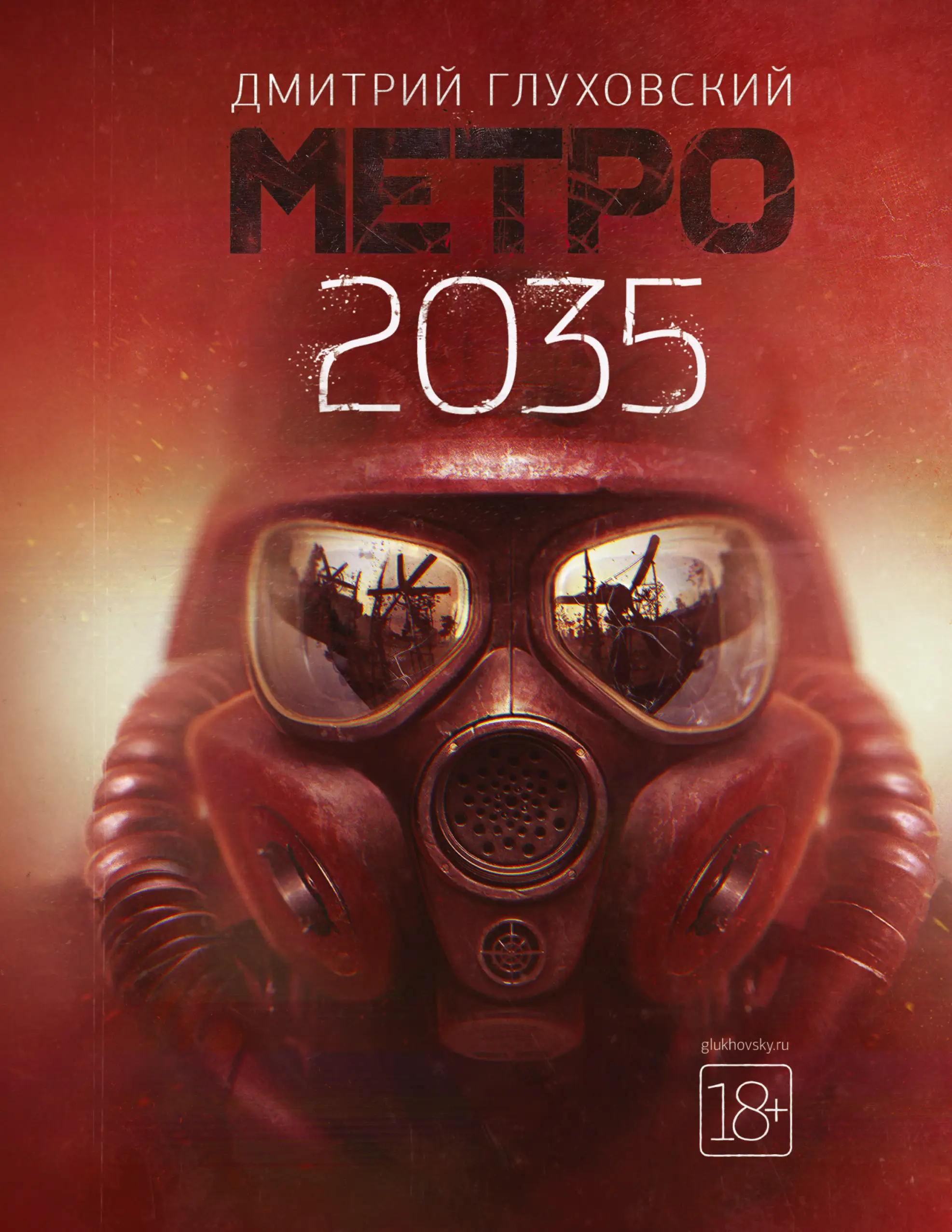
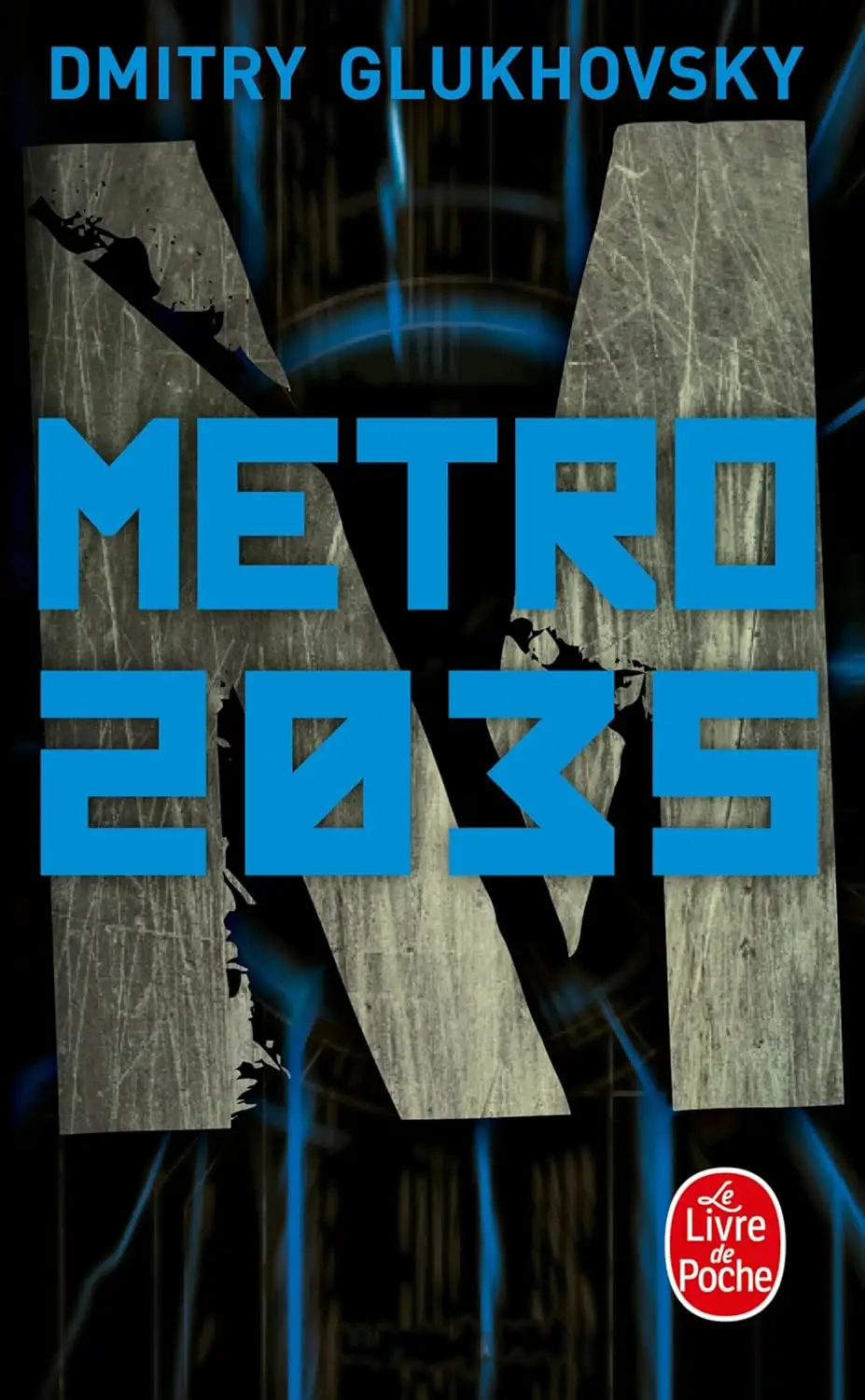
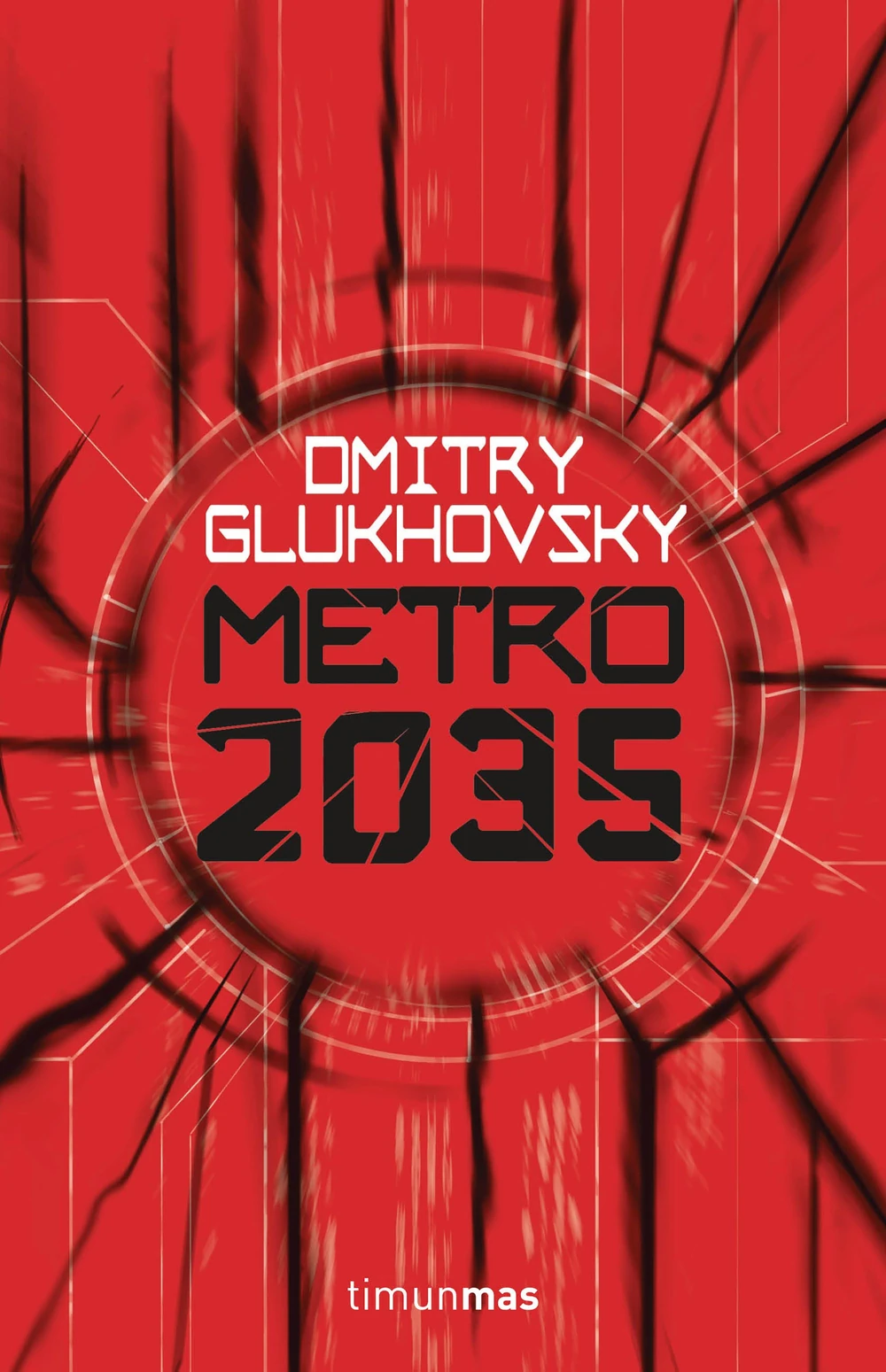
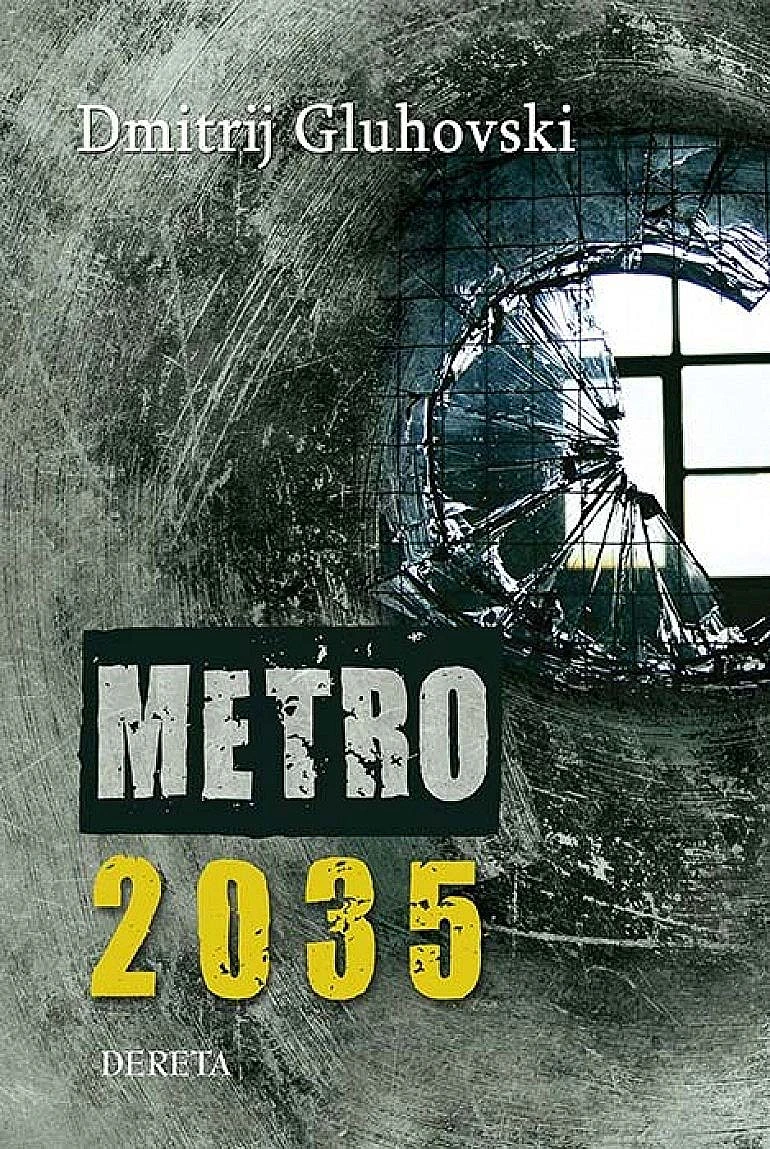
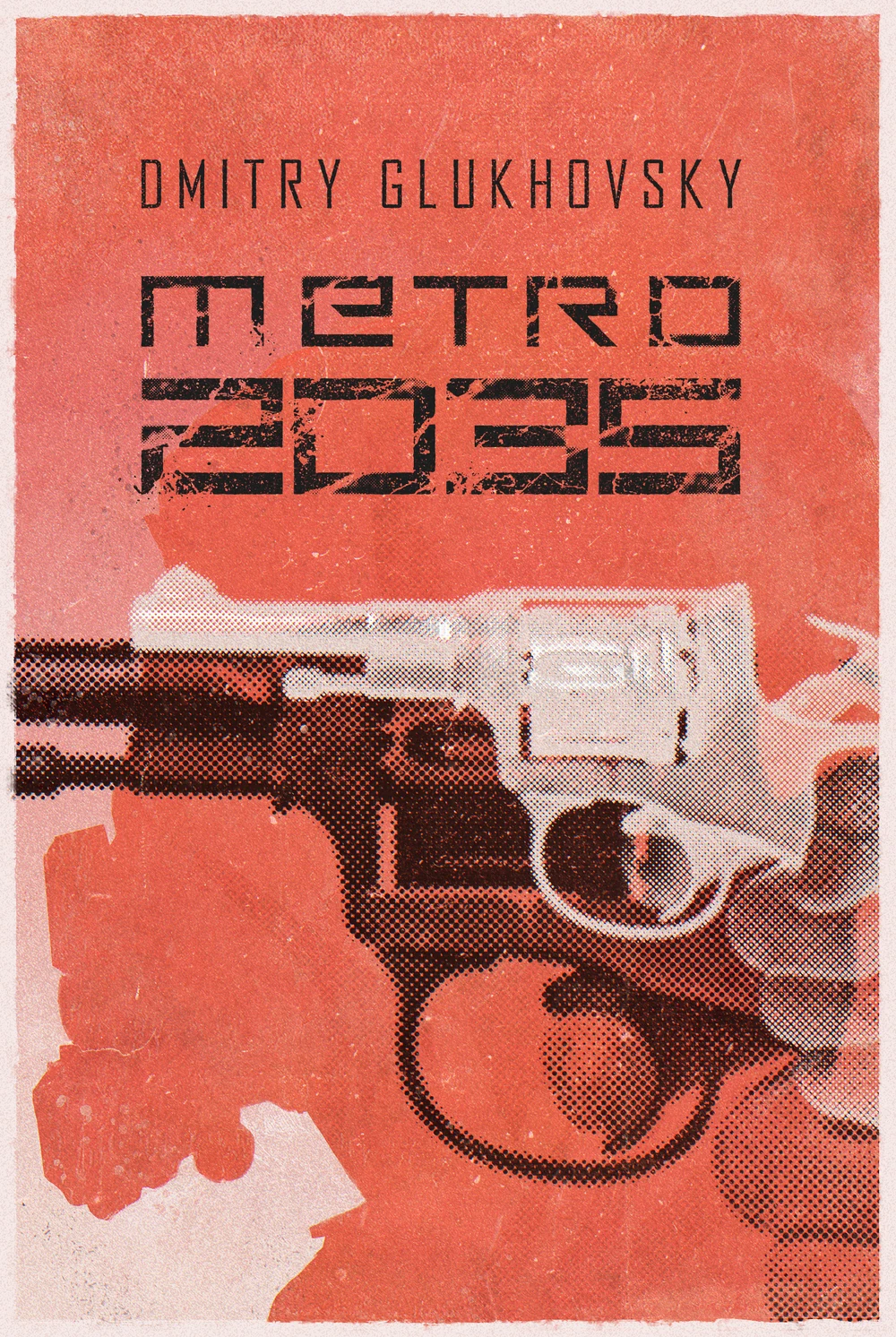
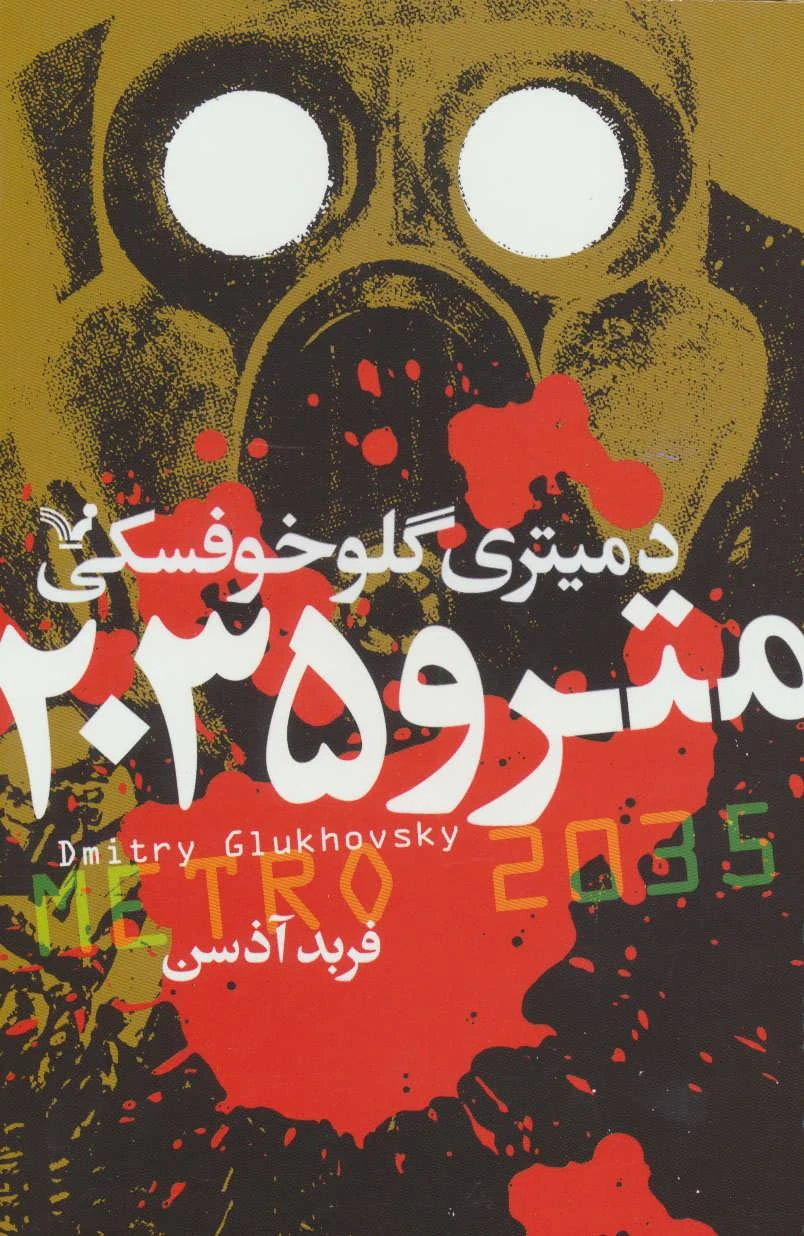
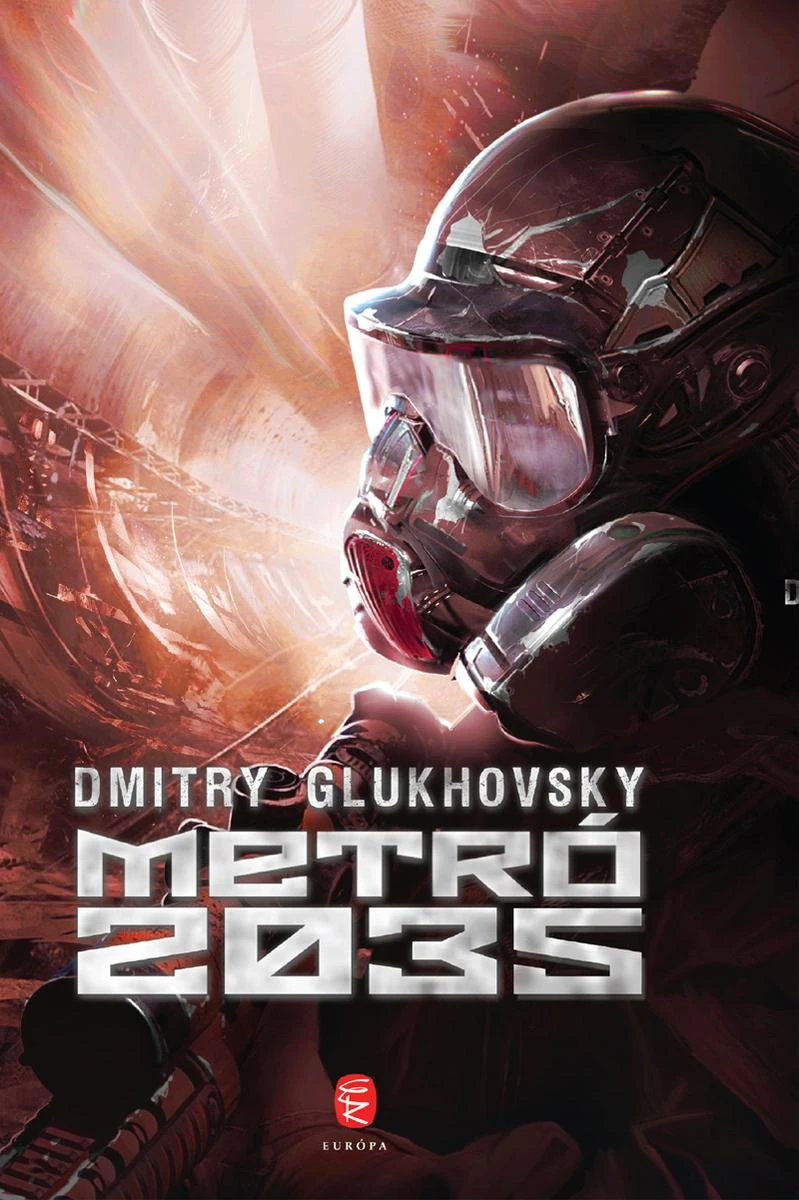
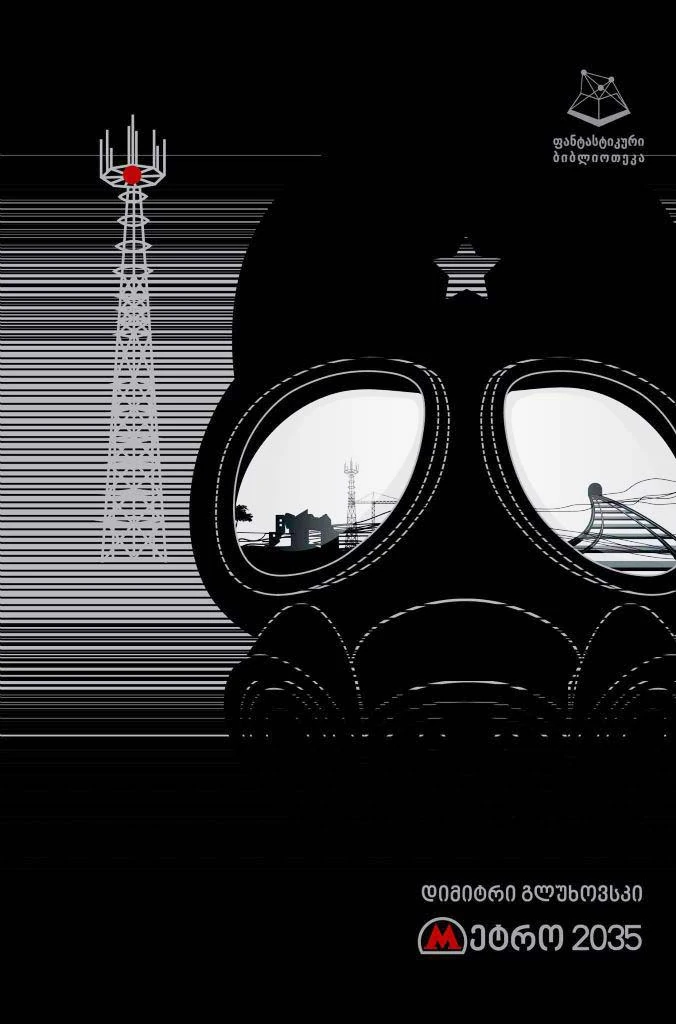
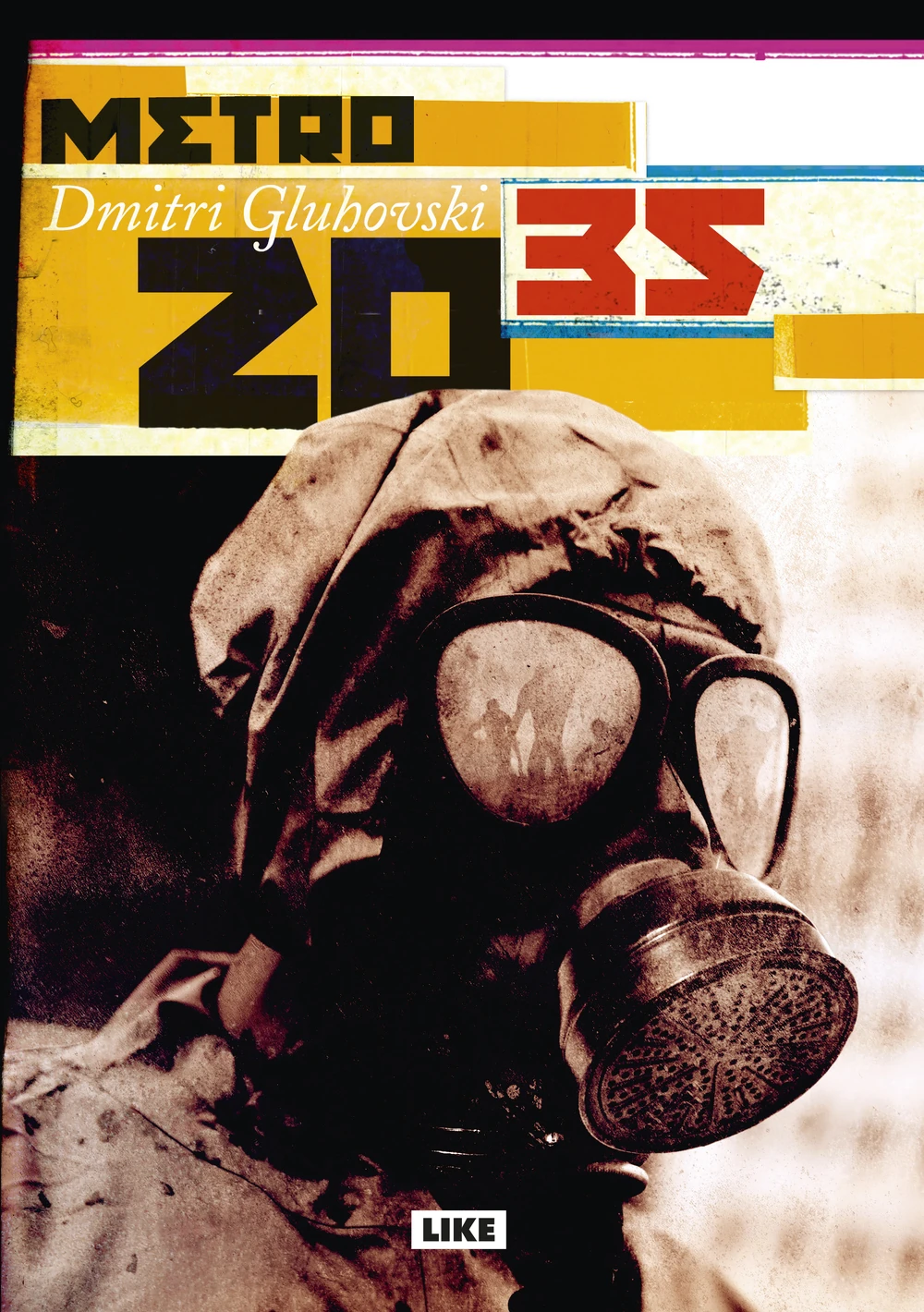
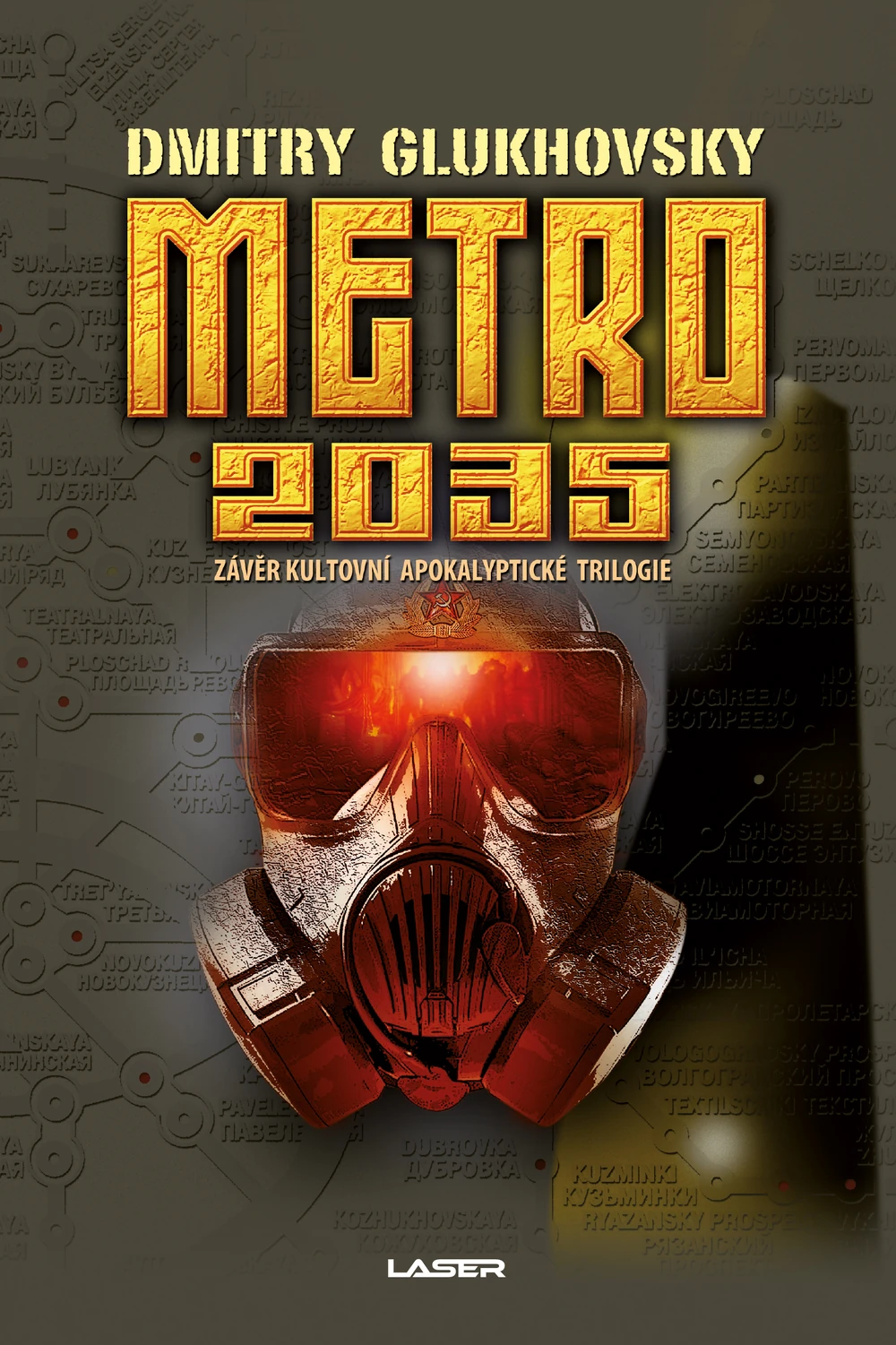
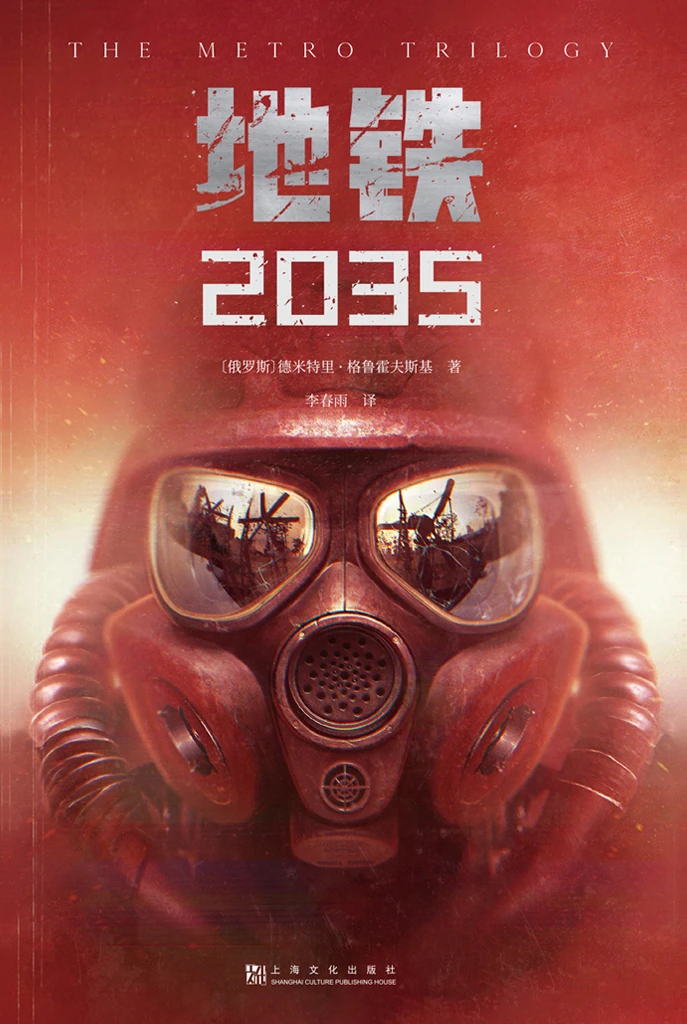
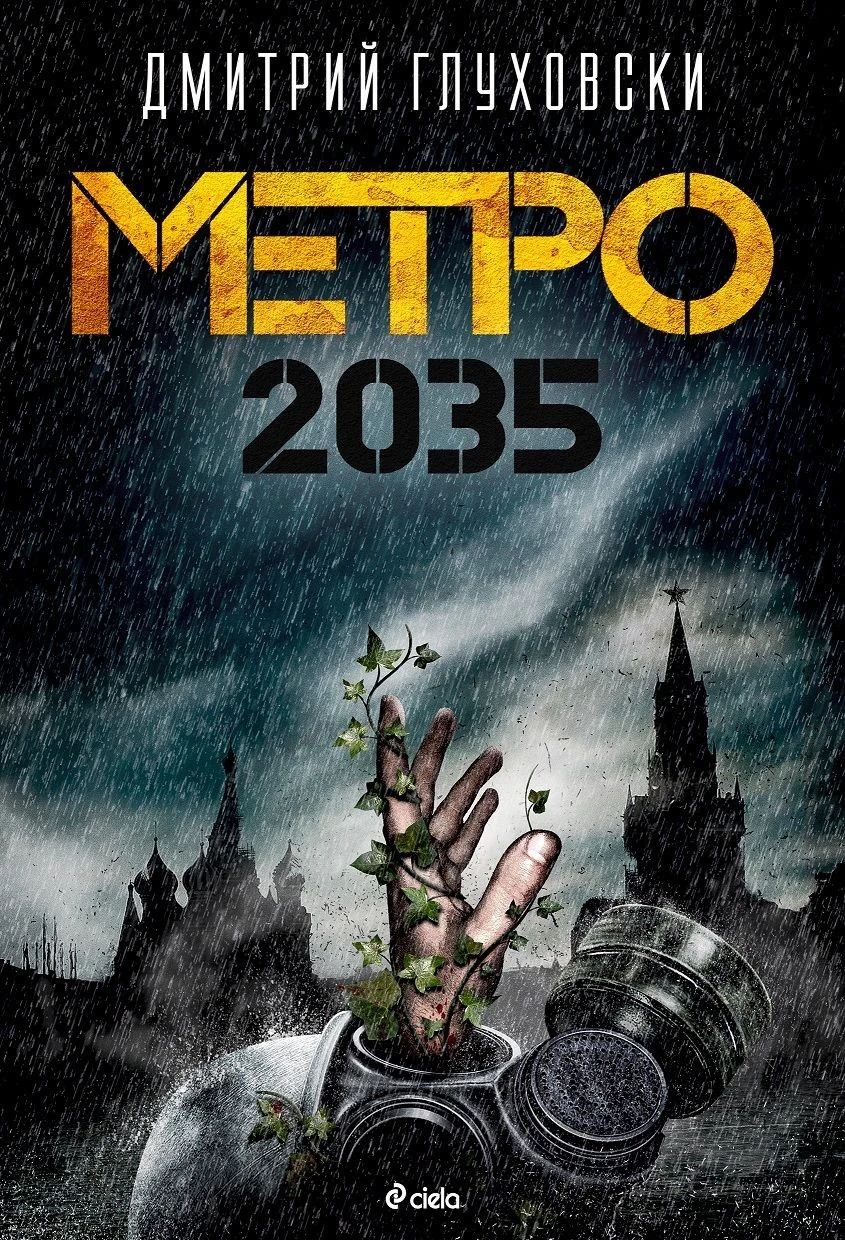
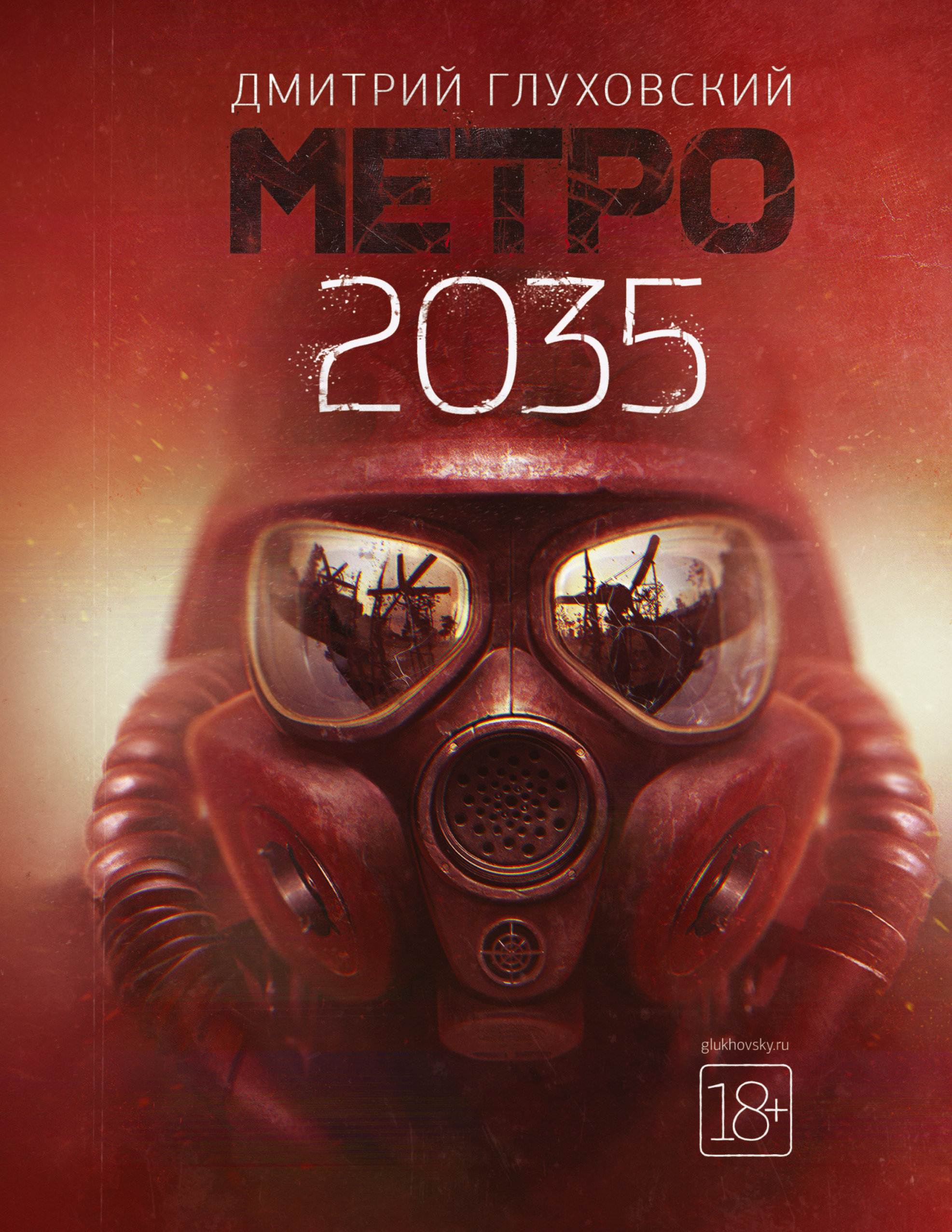
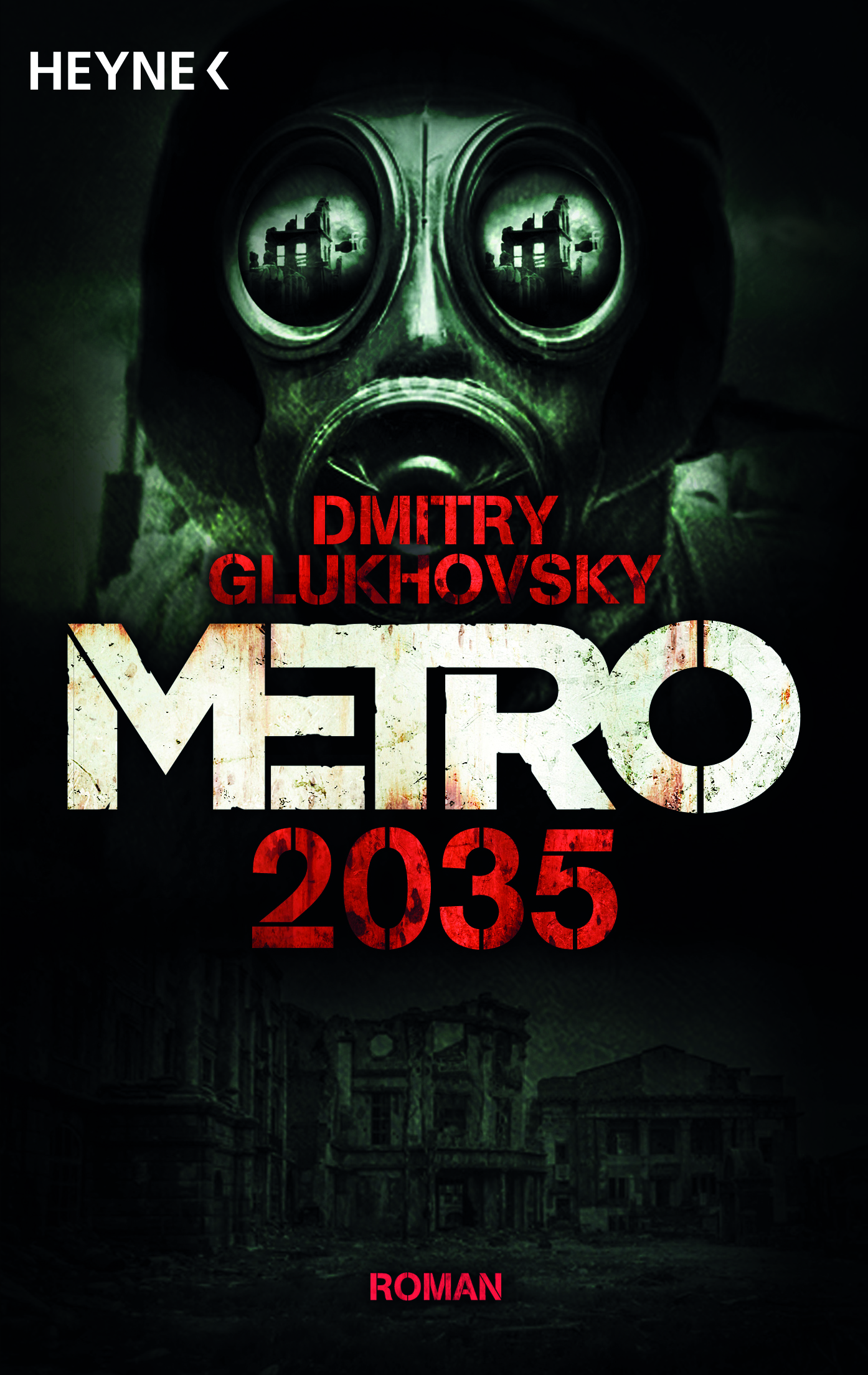
The protagonist of the first novel in the «Metro» trilogy, Artyom, returns for one final attempt to lead humanity out of the underground tunnels of the Moscow Metro. The only one who still believes that mankind may one day return to the surface and reclaim its place as master of the Earth, Artyom retraces his path through the stations, cities, and nations of the Metro to uncover an incredible — and unwelcome — truth, and reveal it to the others.
Ten years after the release of the first novel, «Metro 2035» concludes the saga of humanity’s survival after nuclear war, and of one man’s struggle for the right to remain truly human.
The protagonist of the first novel in the «Metro» trilogy, Artyom, returns for one final attempt to lead humanity out of the underground tunnels of the Moscow Metro. The only one who still believes that mankind may one day return to the surface and reclaim its place as master of the Earth, Artyom retraces his path through the stations, cities, and nations of the Metro to uncover an incredible — and unwelcome — truth, and reveal it to the others.
Ten years after the release of the first novel, «Metro 2035» concludes the saga of humanity’s survival after nuclear war, and of one man’s struggle for the right to remain truly human.
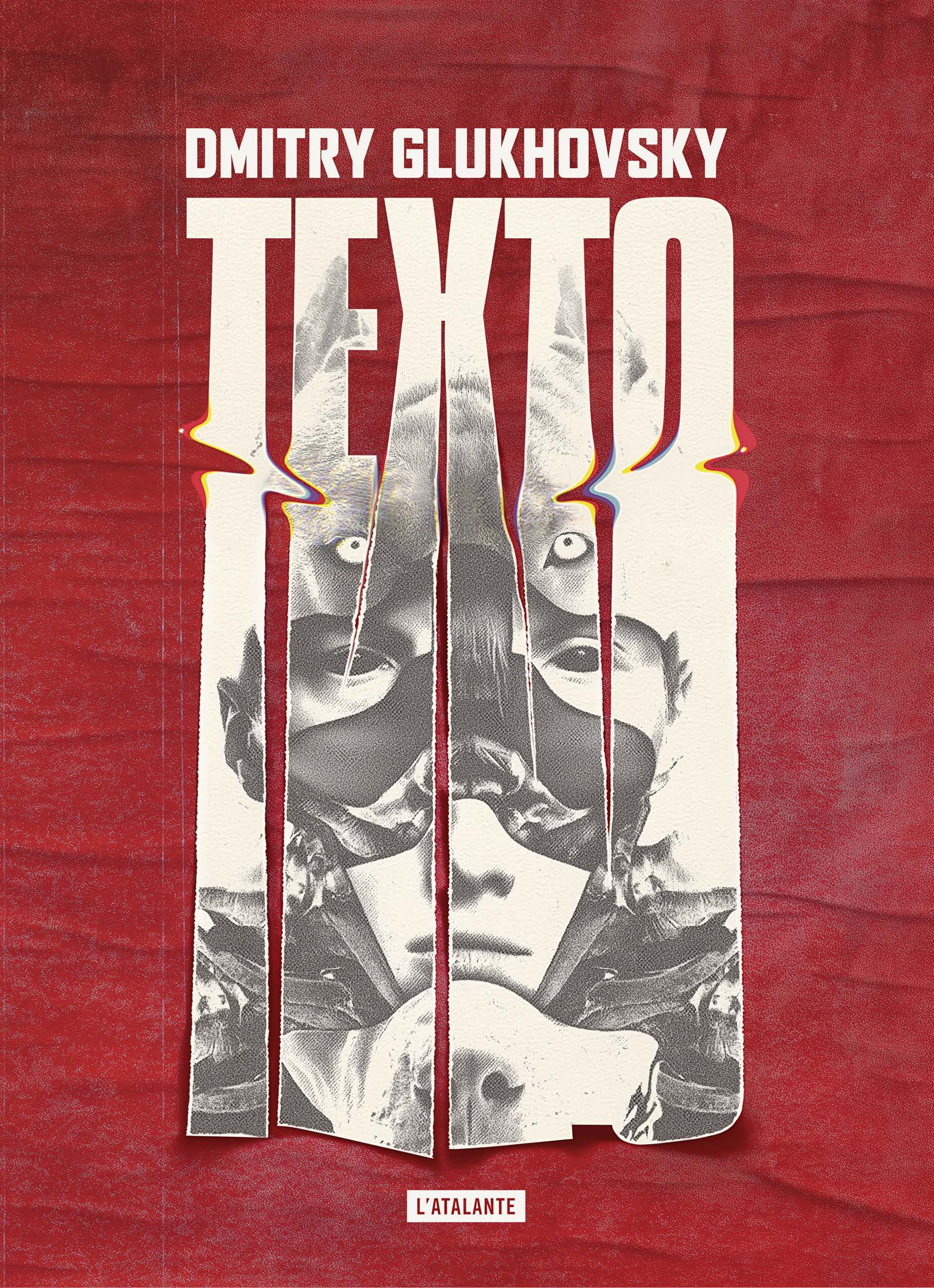
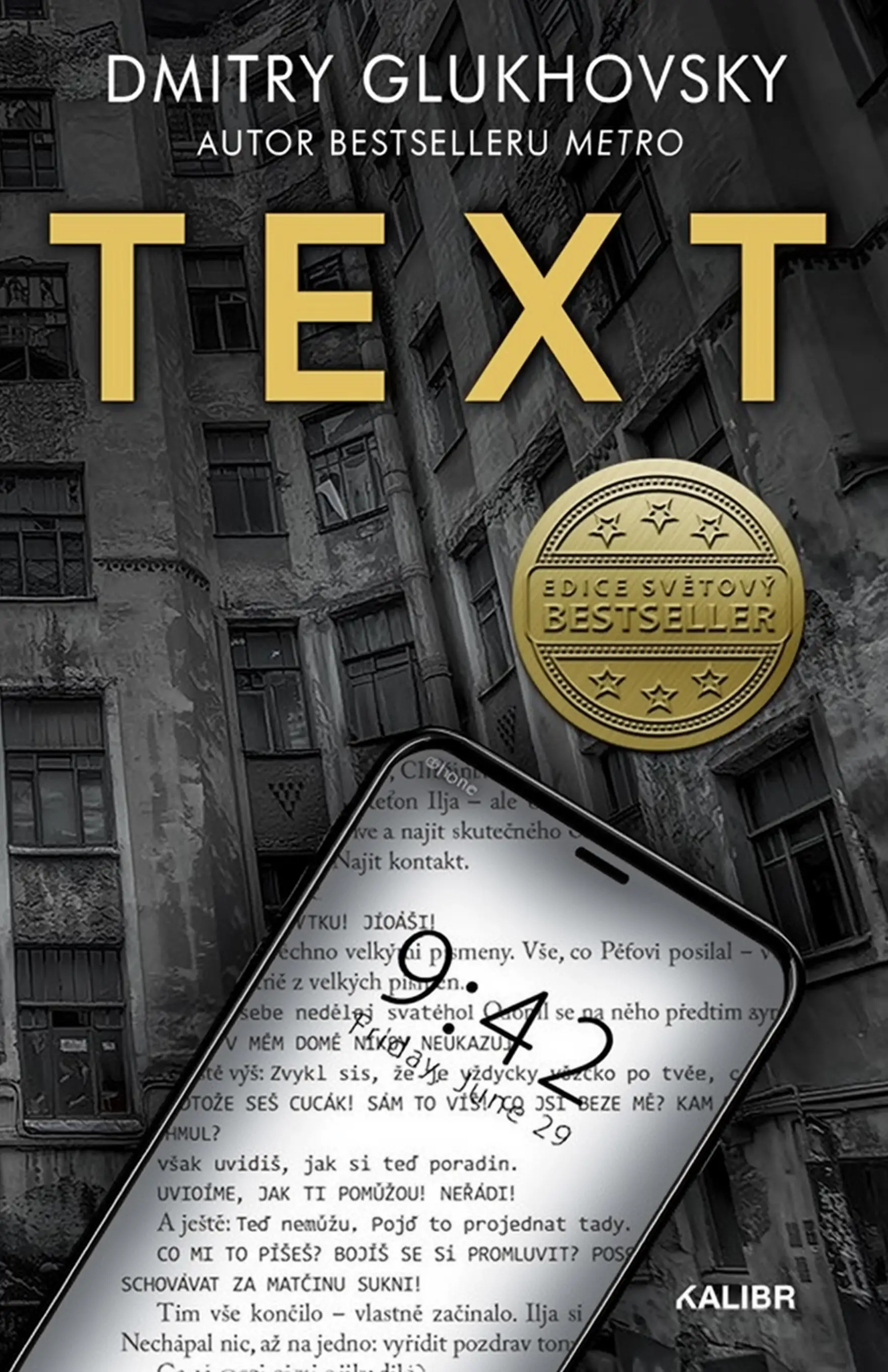
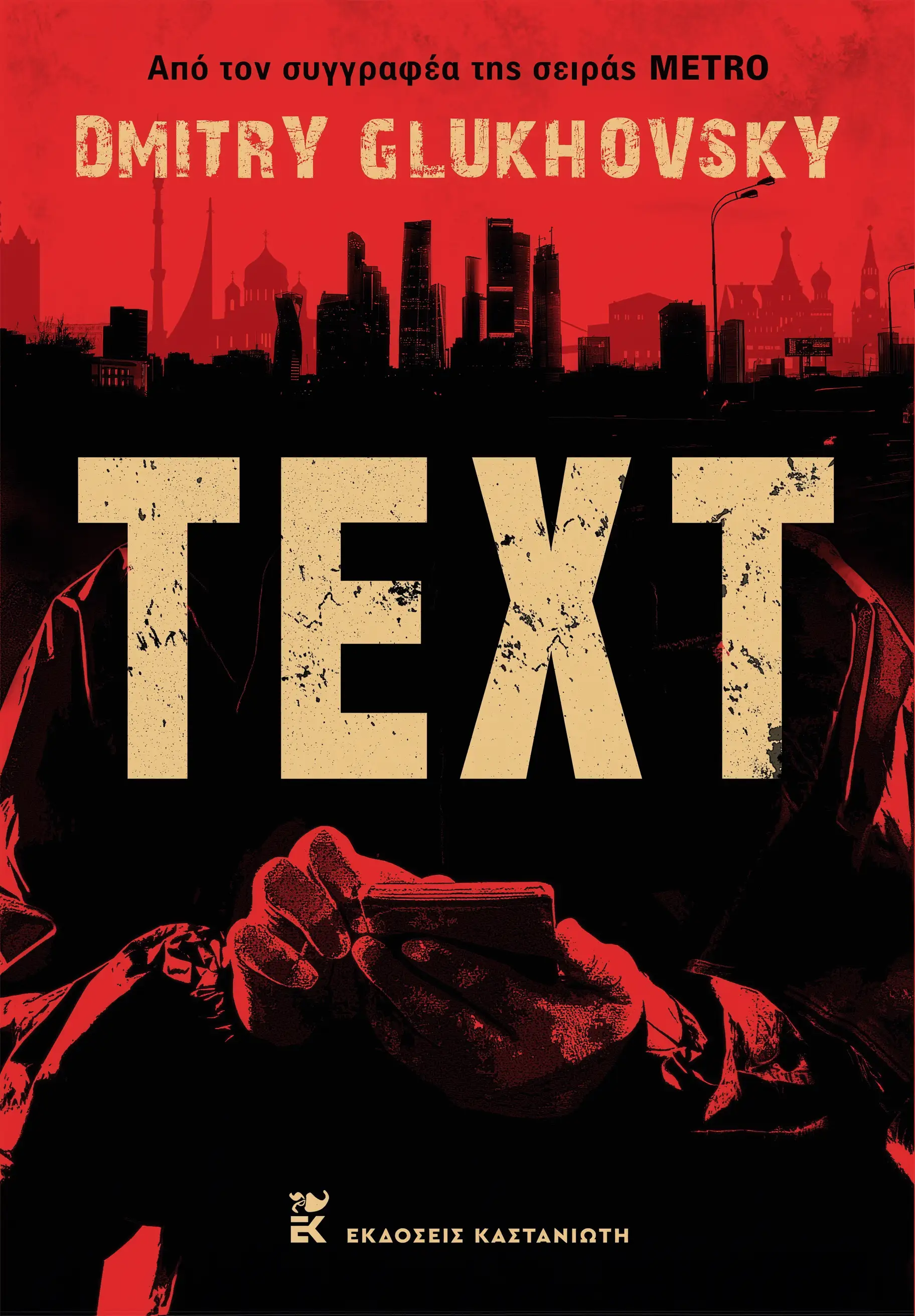
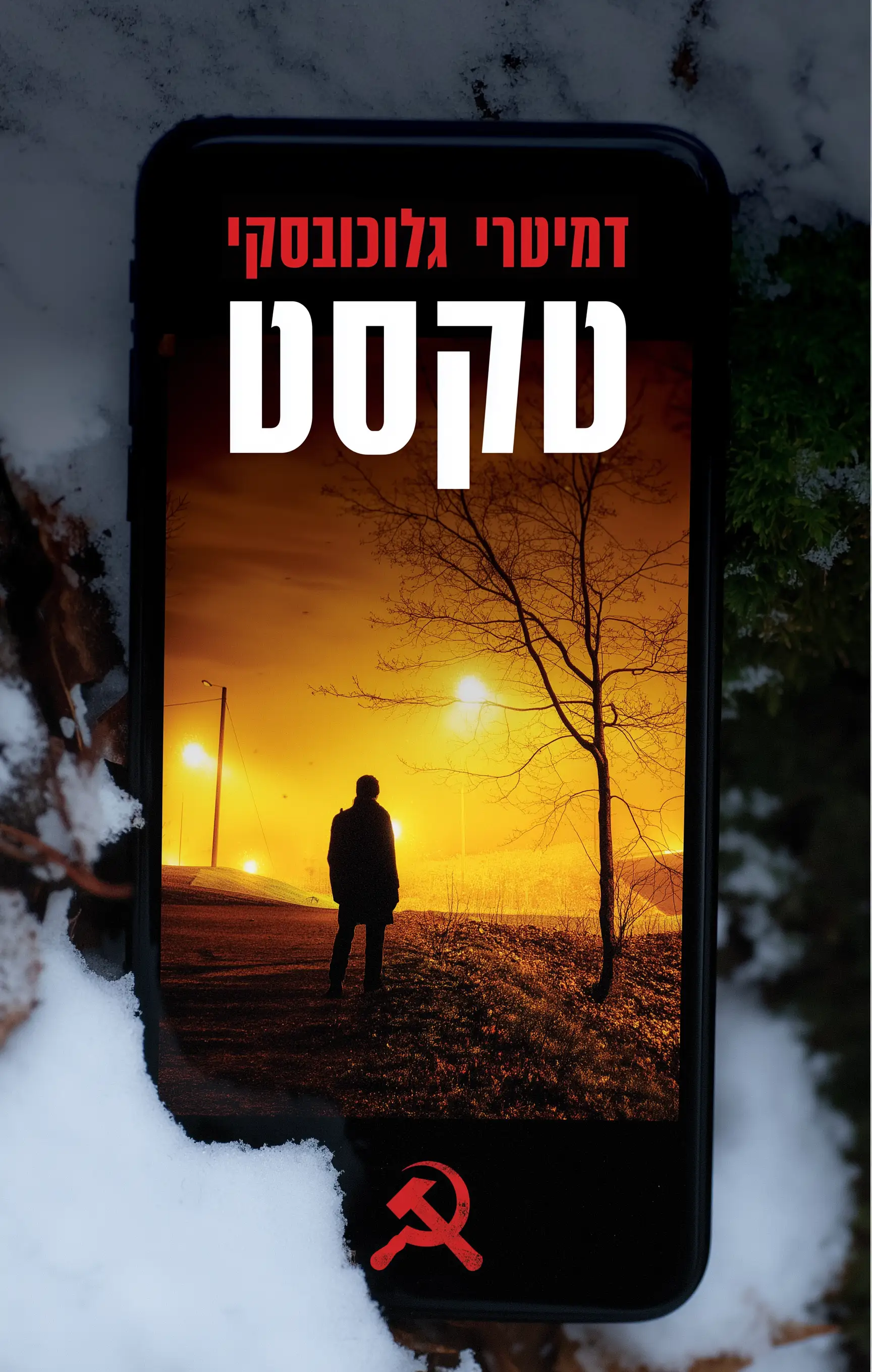

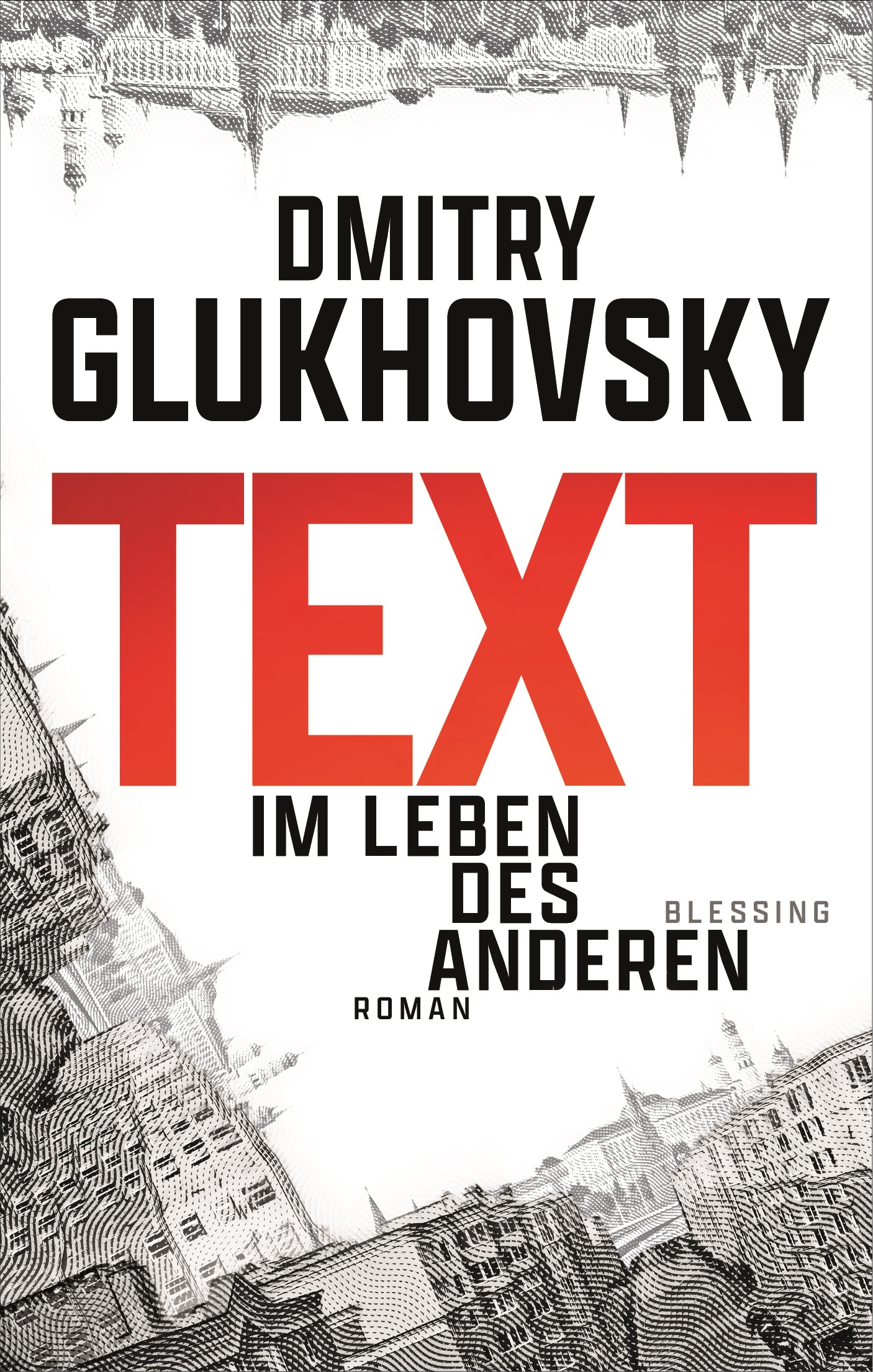
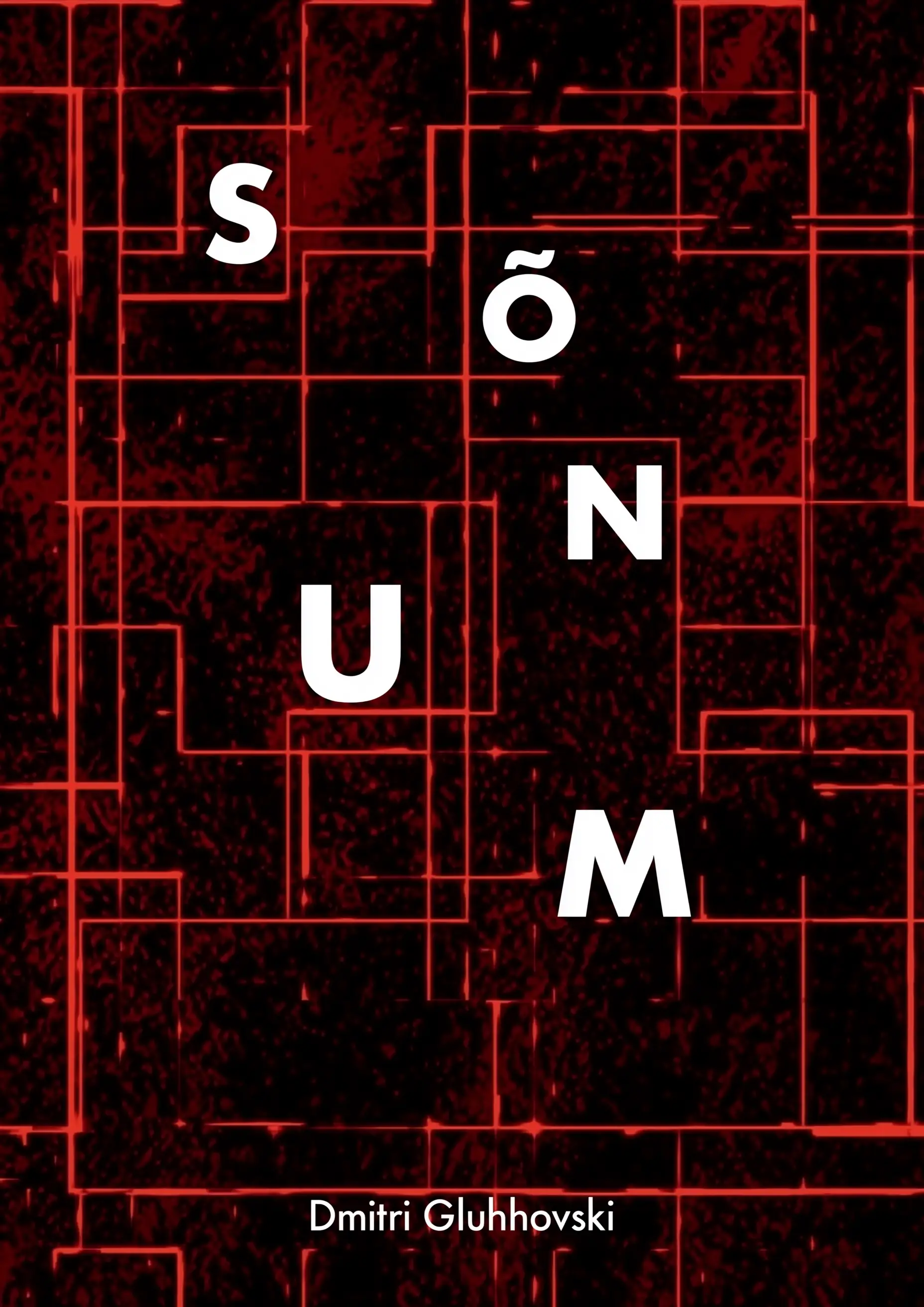
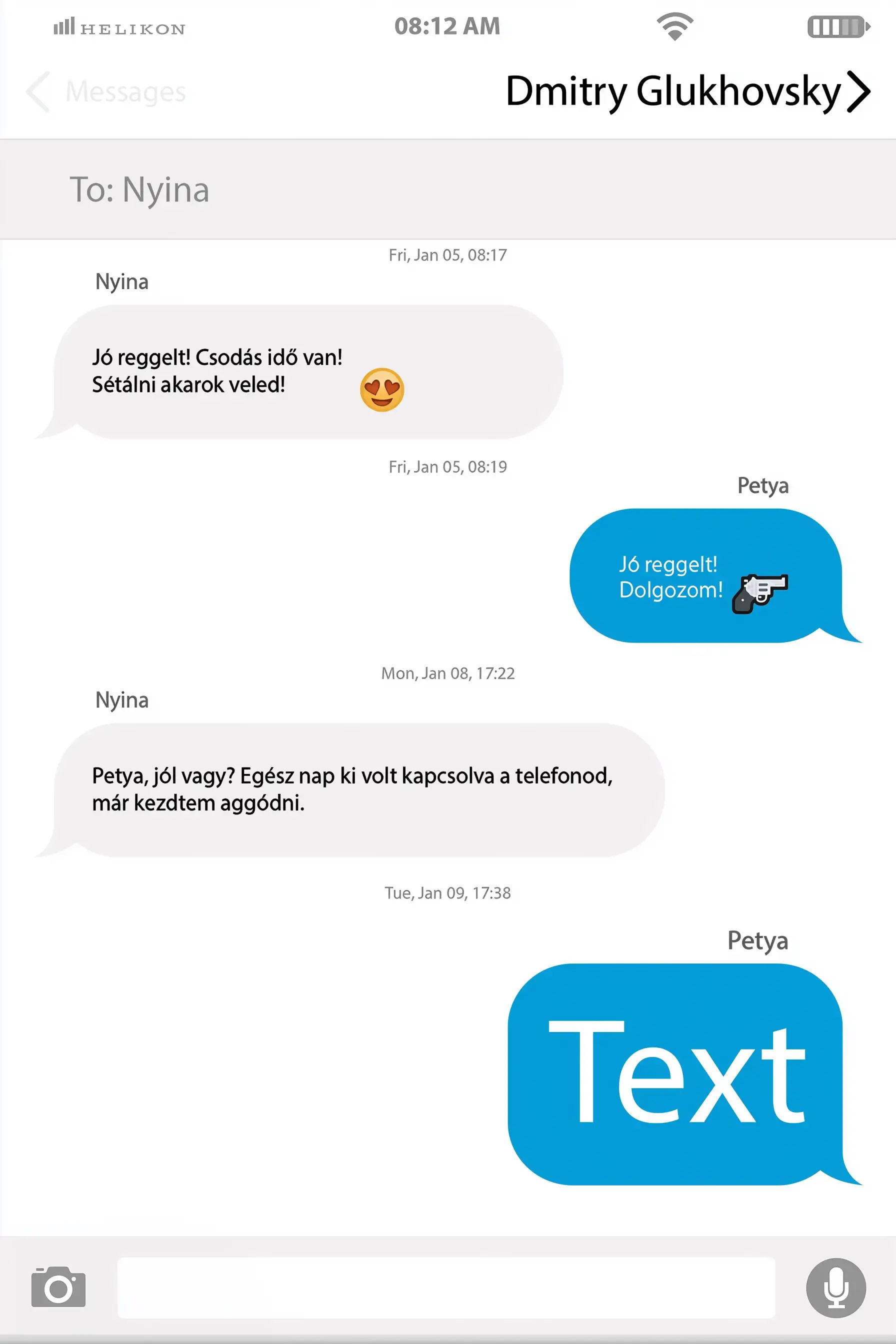
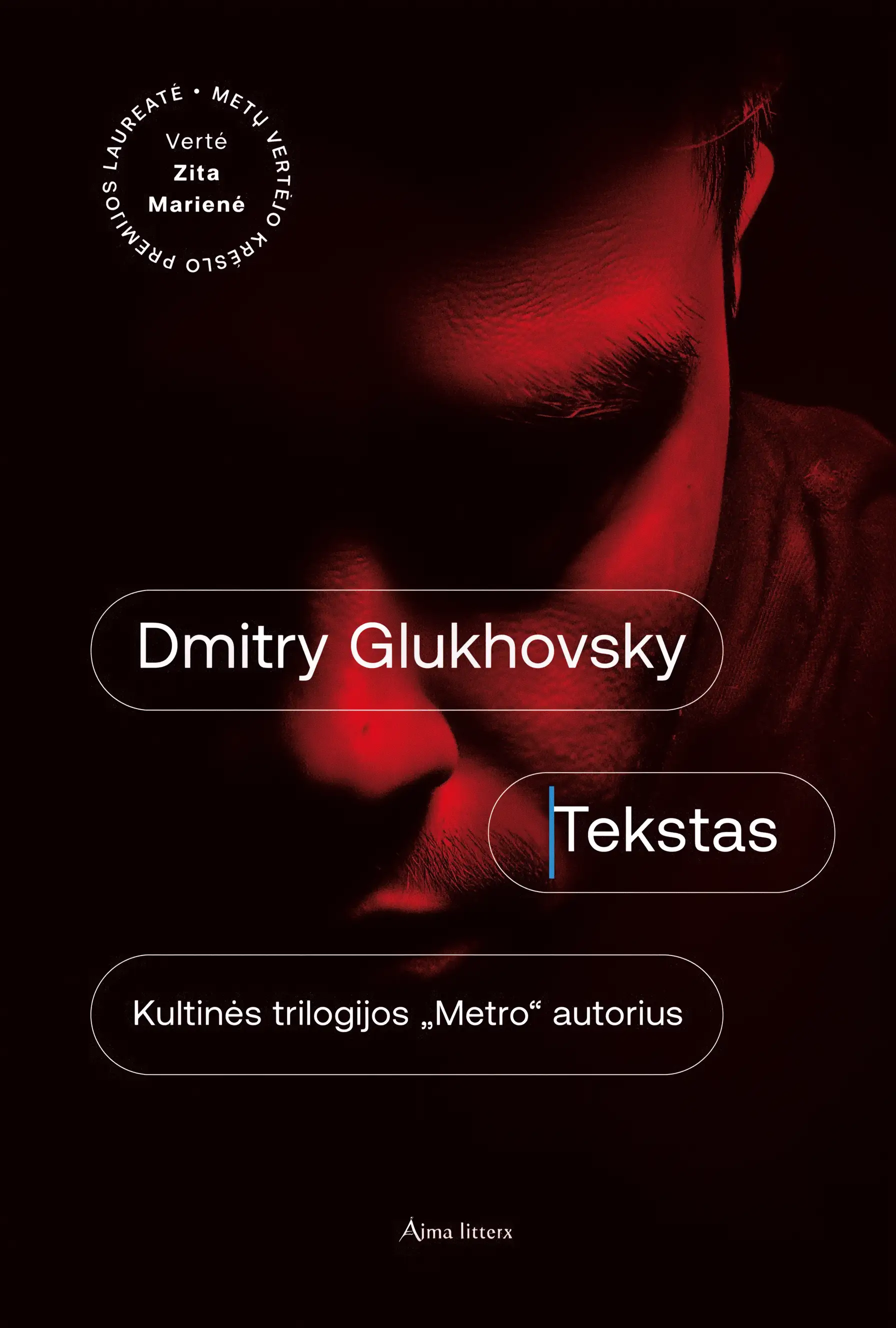
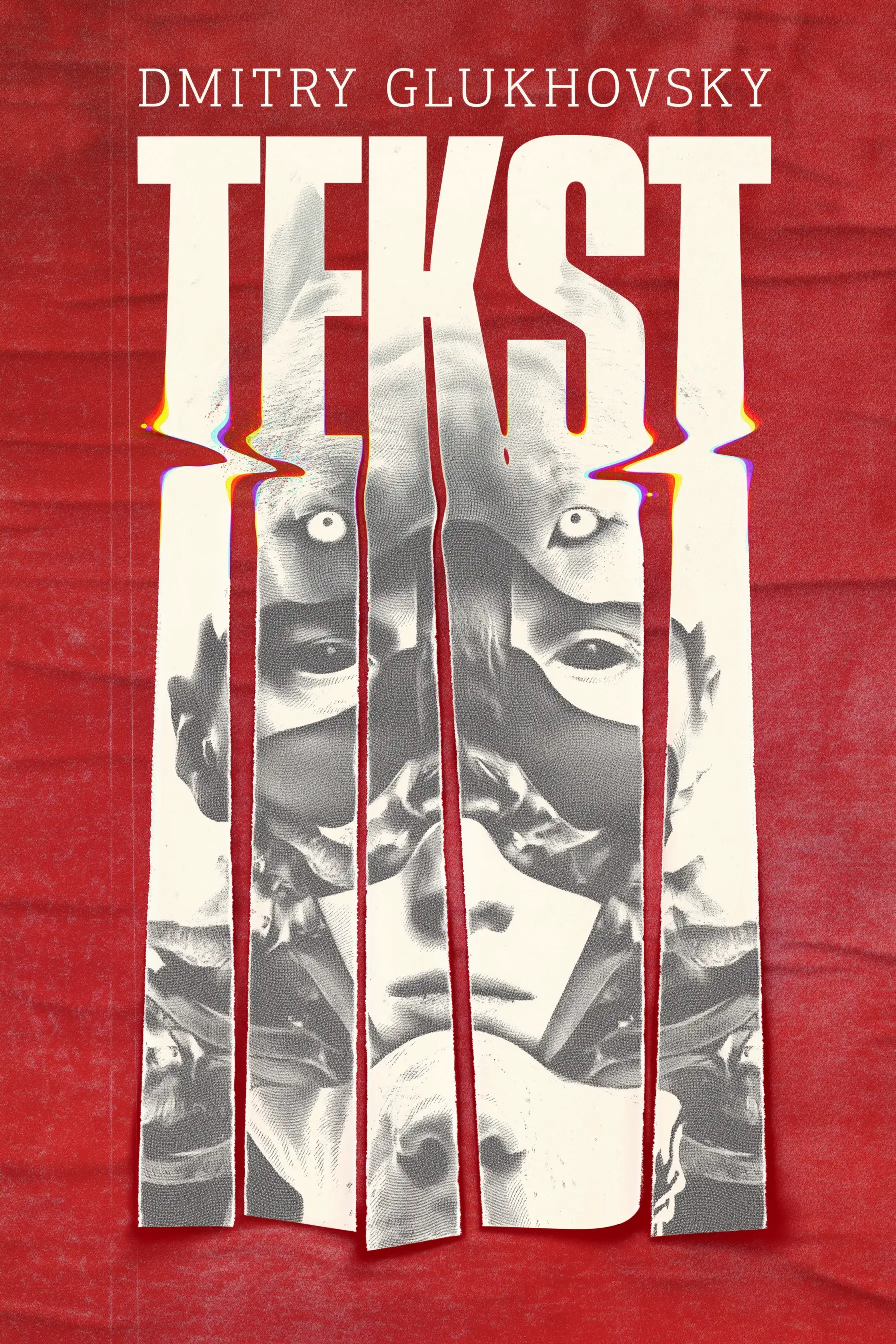
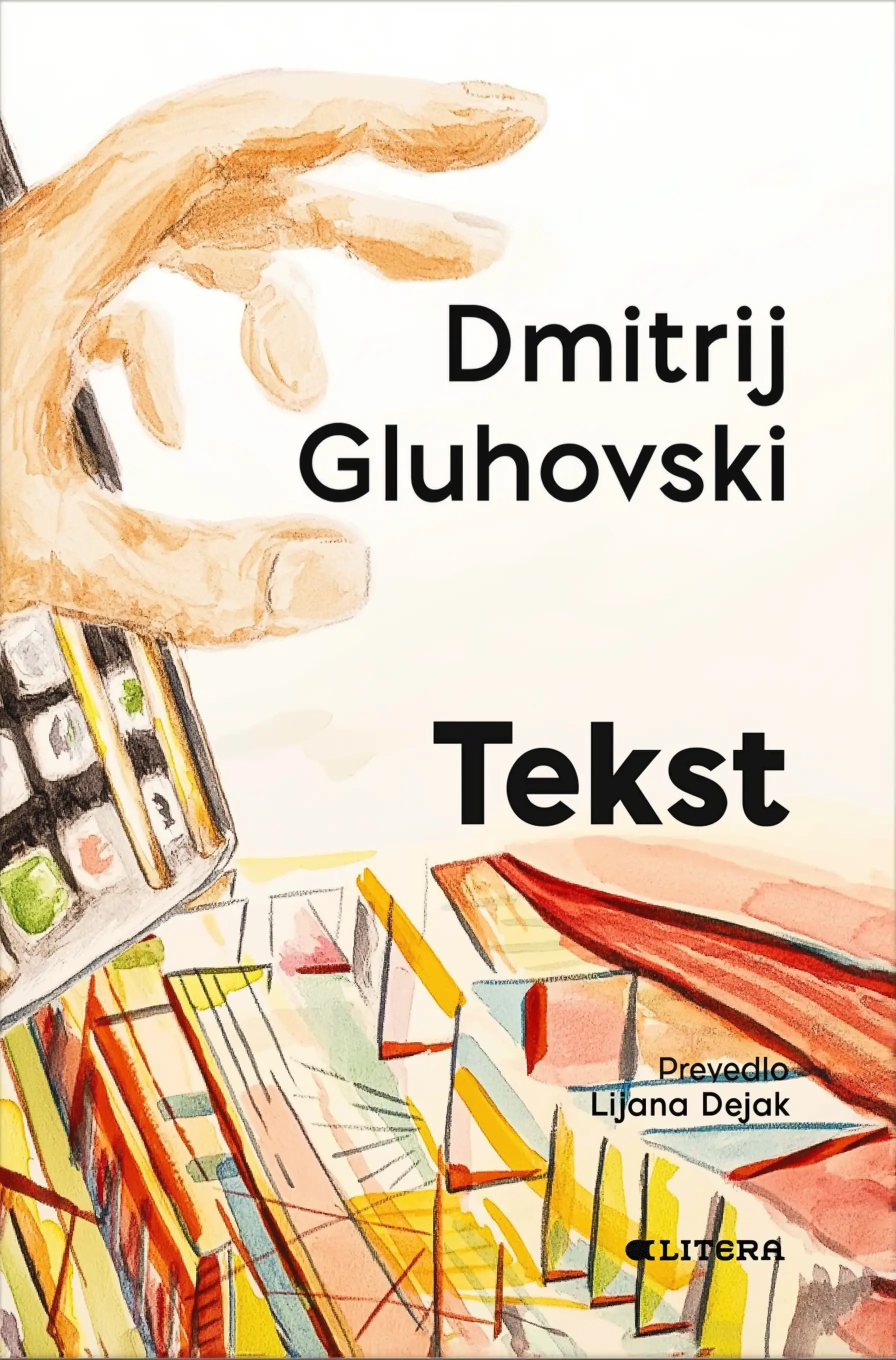
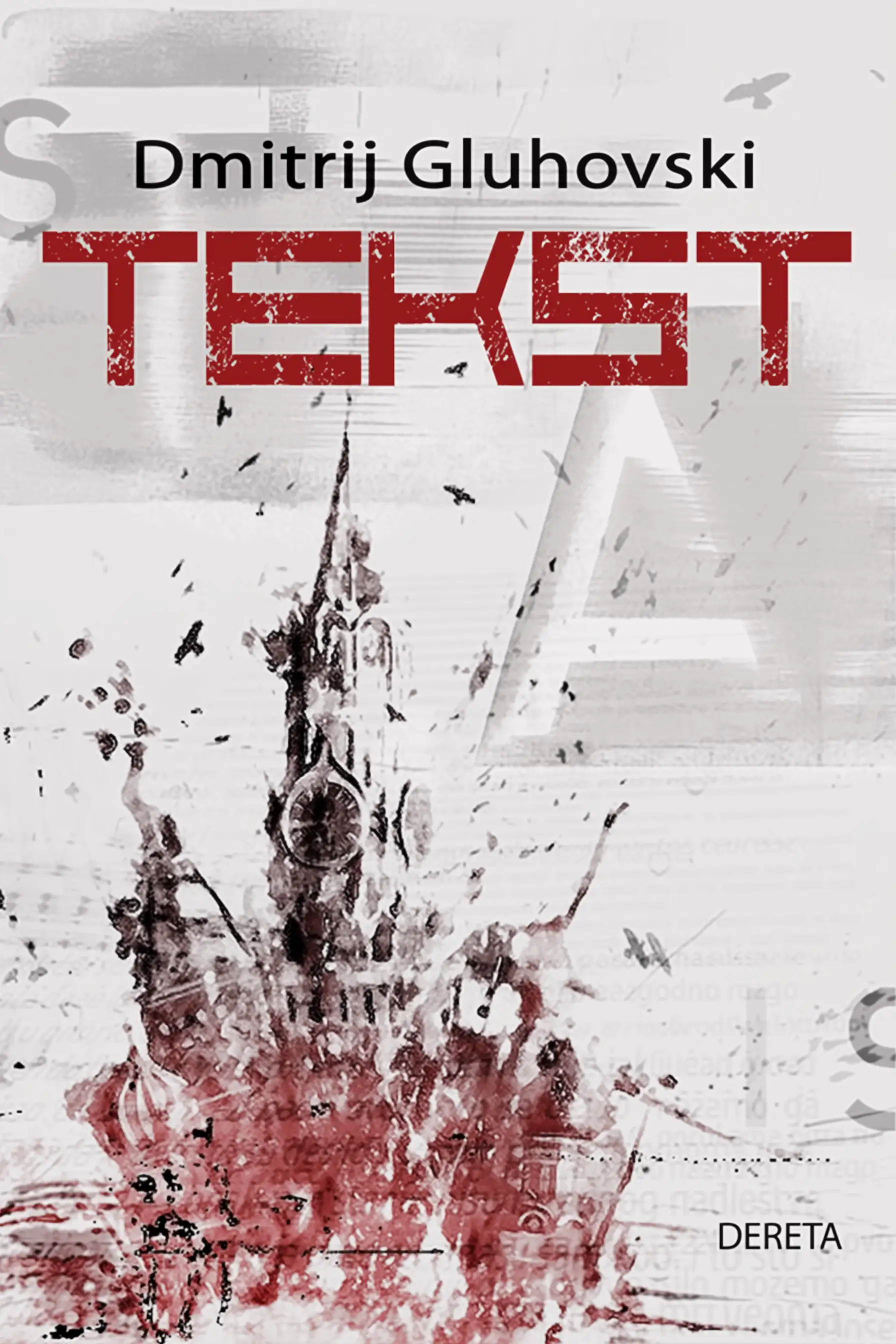
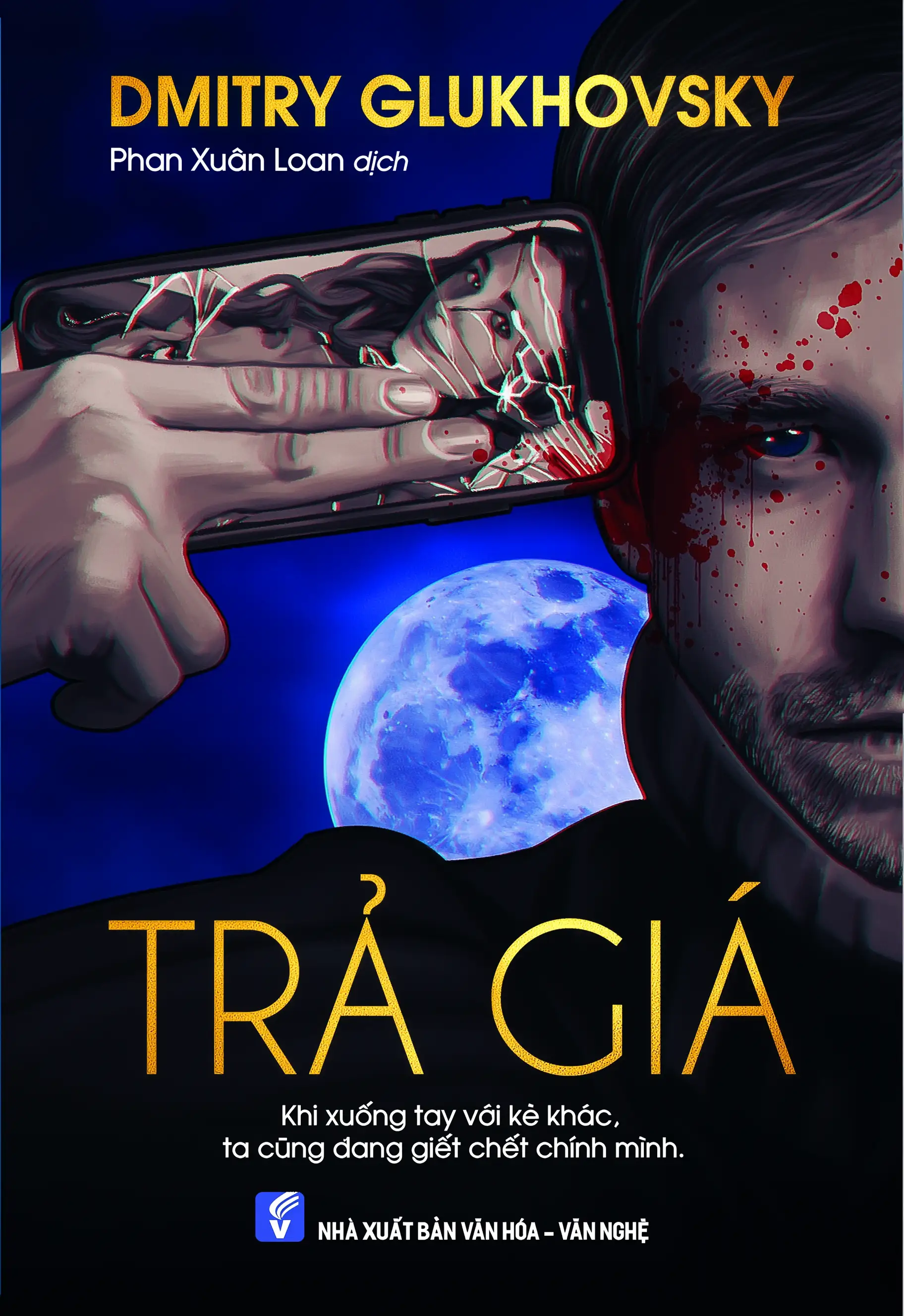
A corrupt police officer plants drugs on a university student, Ilya Goryunov — a story all too familiar in Russian reality, repeated thousands of times. Ilya comes from a poor family and is unable to defend himself or buy his way out; he is sentenced to seven long years in prison. Upon his release, he seeks revenge. When he gets hold of the phone of the very policeman who sent him to prison, he temporarily becomes him. Through the phone, Ilya takes over his enemy’s life, trying, in the process, to reclaim his own.
«Text» is a sharp, socially charged, ultra-realistic novel that drew immediate attention upon its release. In Russia — where the “ordinary person” is powerless and those who “serve the system” act with impunity — themes of injustice, police abuse, and societal stratification had rarely been tackled so directly in literature. « Text » was first adapted into a stage play, and later into a feature film.
A corrupt police officer plants drugs on a university student, Ilya Goryunov — a story all too familiar in Russian reality, repeated thousands of times. Ilya comes from a poor family and is unable to defend himself or buy his way out; he is sentenced to seven long years in prison. Upon his release, he seeks revenge. When he gets hold of the phone of the very policeman who sent him to prison, he temporarily becomes him. Through the phone, Ilya takes over his enemy’s life, trying, in the process, to reclaim his own.
«Text» is a sharp, socially charged, ultra-realistic novel that drew immediate attention upon its release. In Russia — where the “ordinary person” is powerless and those who “serve the system” act with impunity — themes of injustice, police abuse, and societal stratification had rarely been tackled so directly in literature. « Text » was first adapted into a stage play, and later into a feature film.
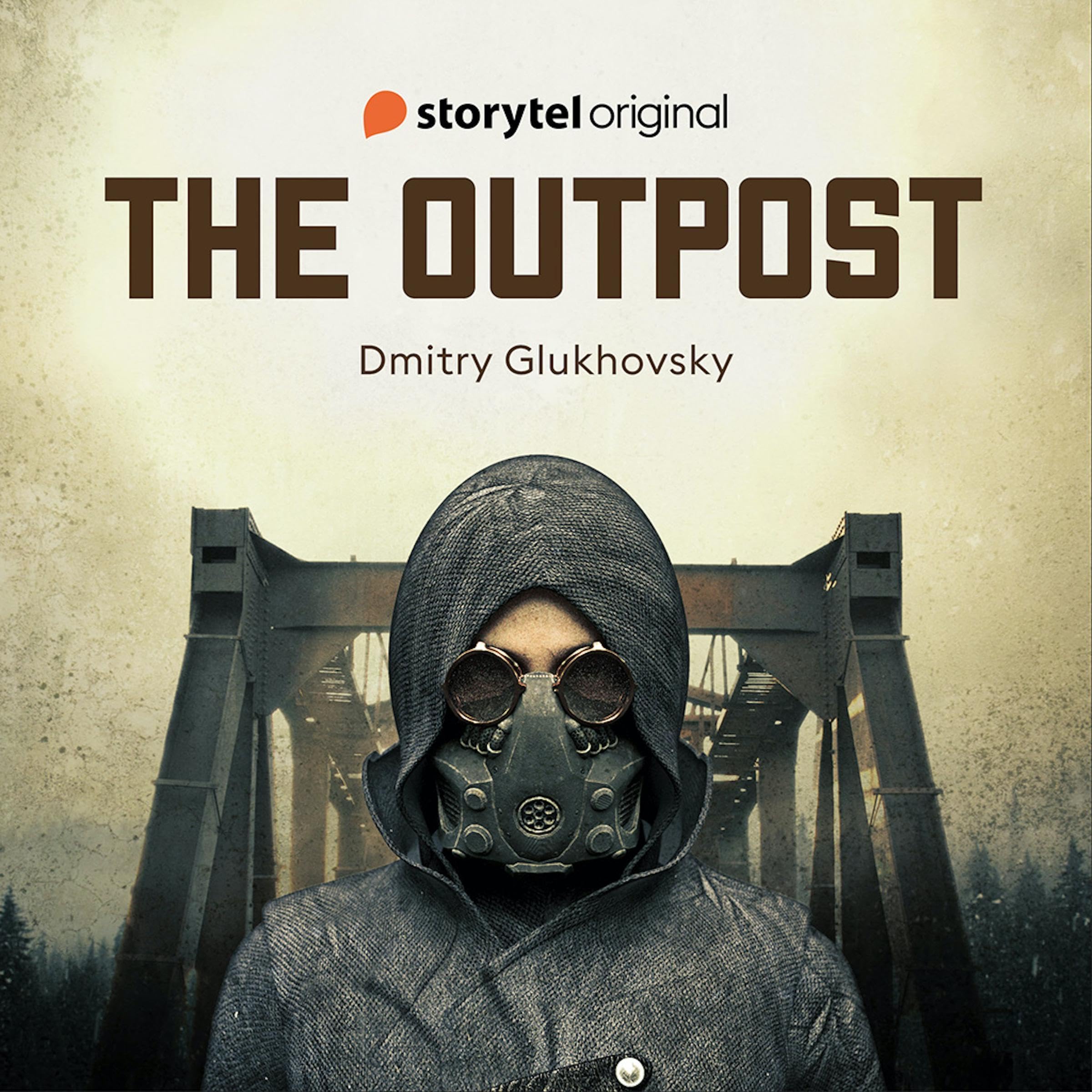
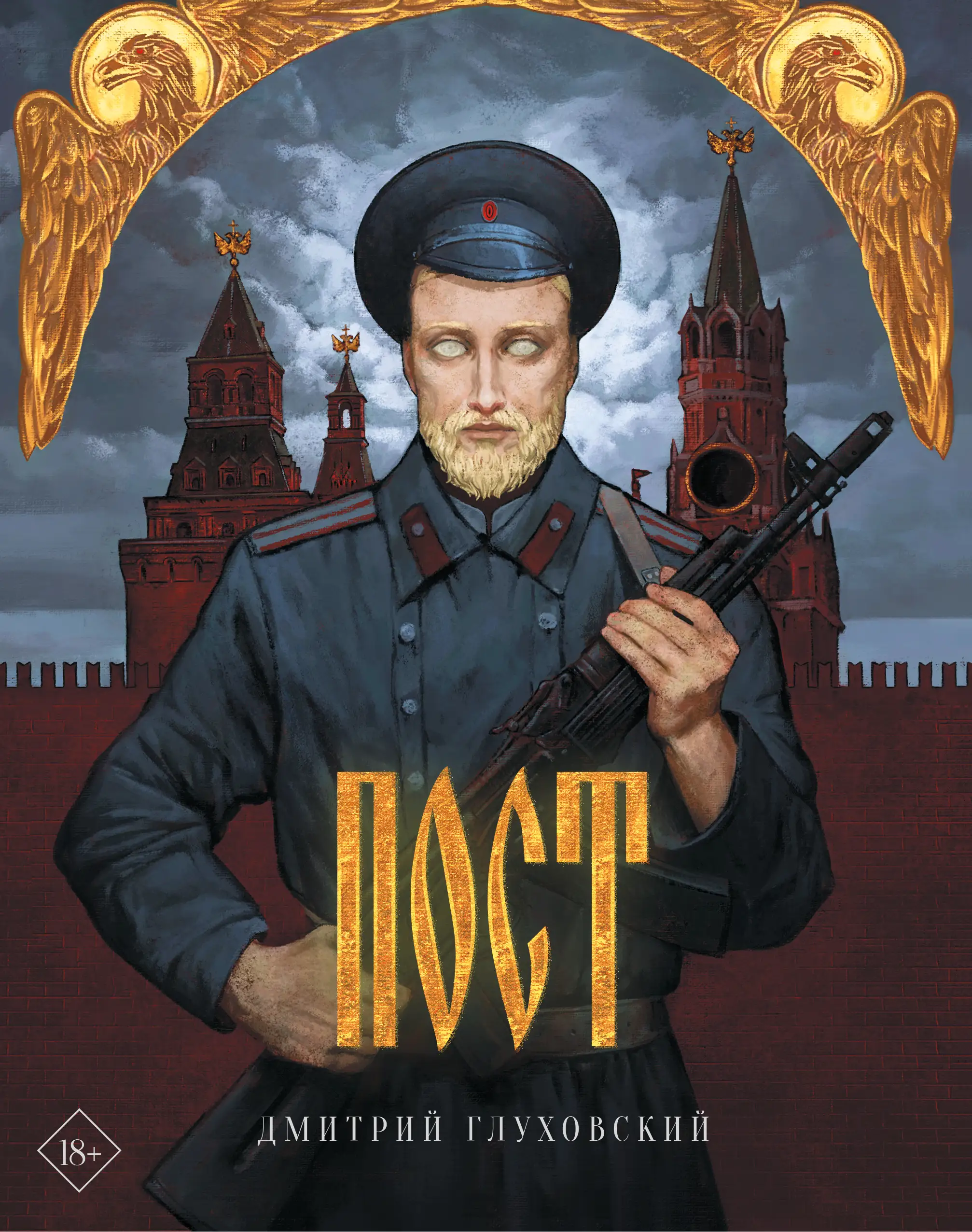
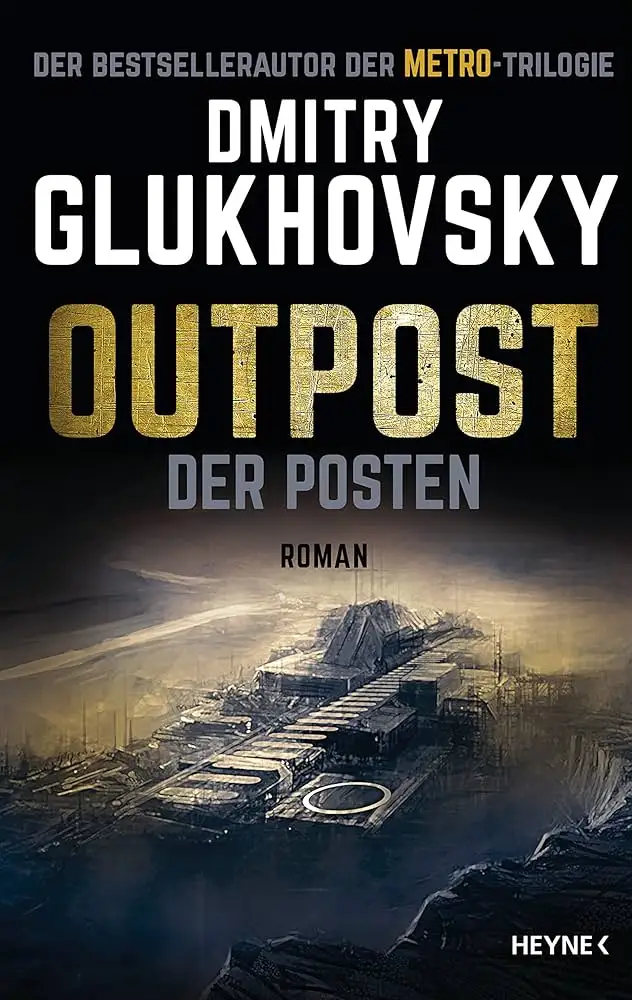
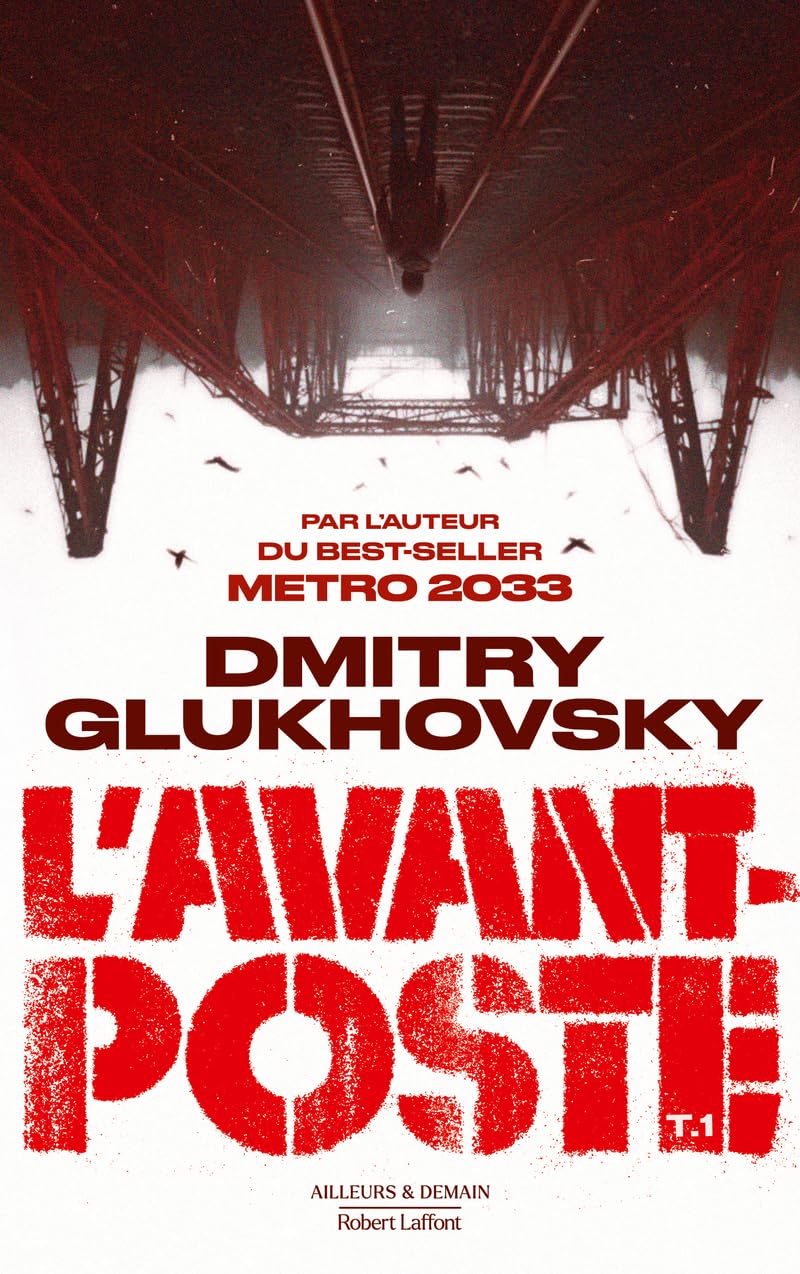
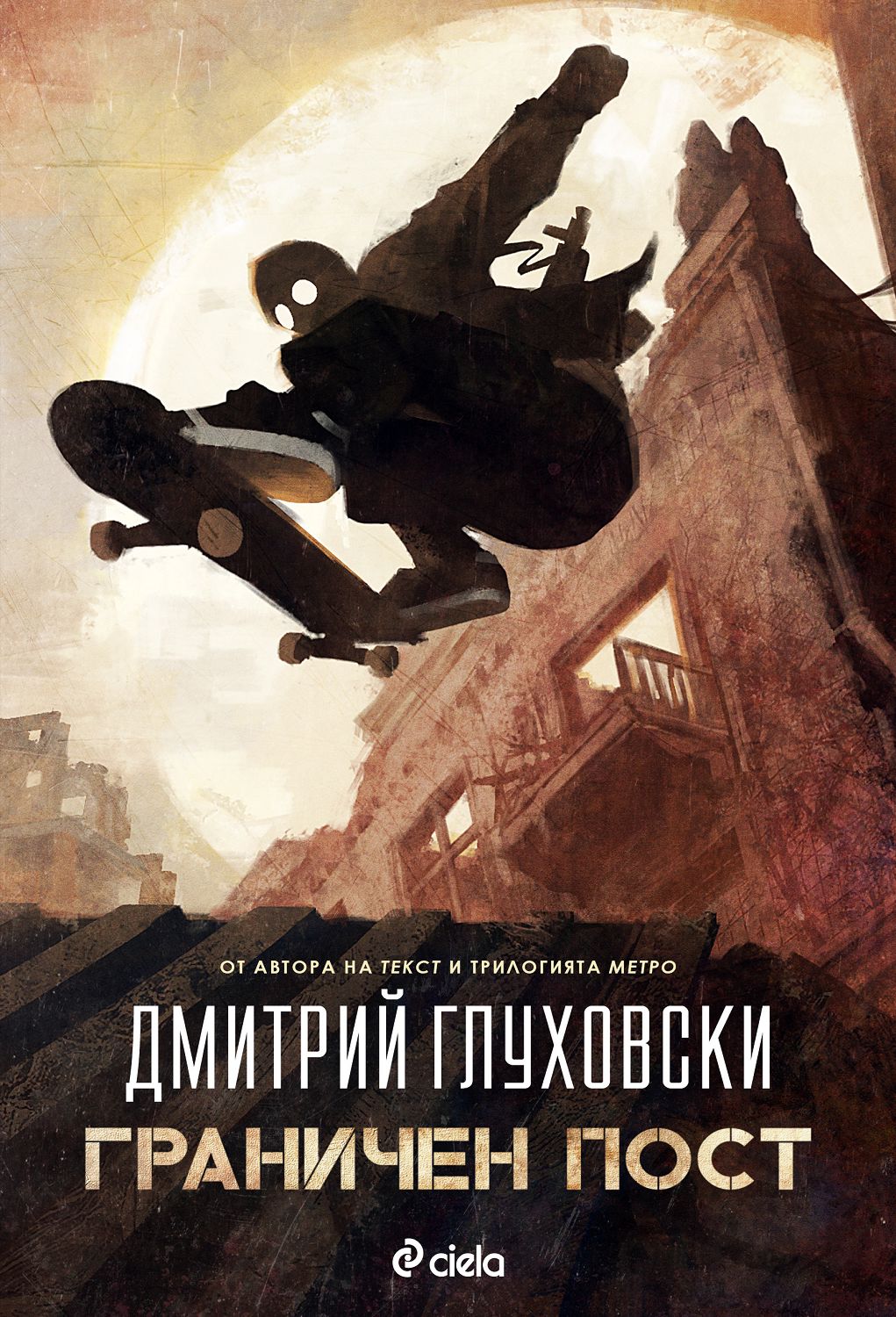
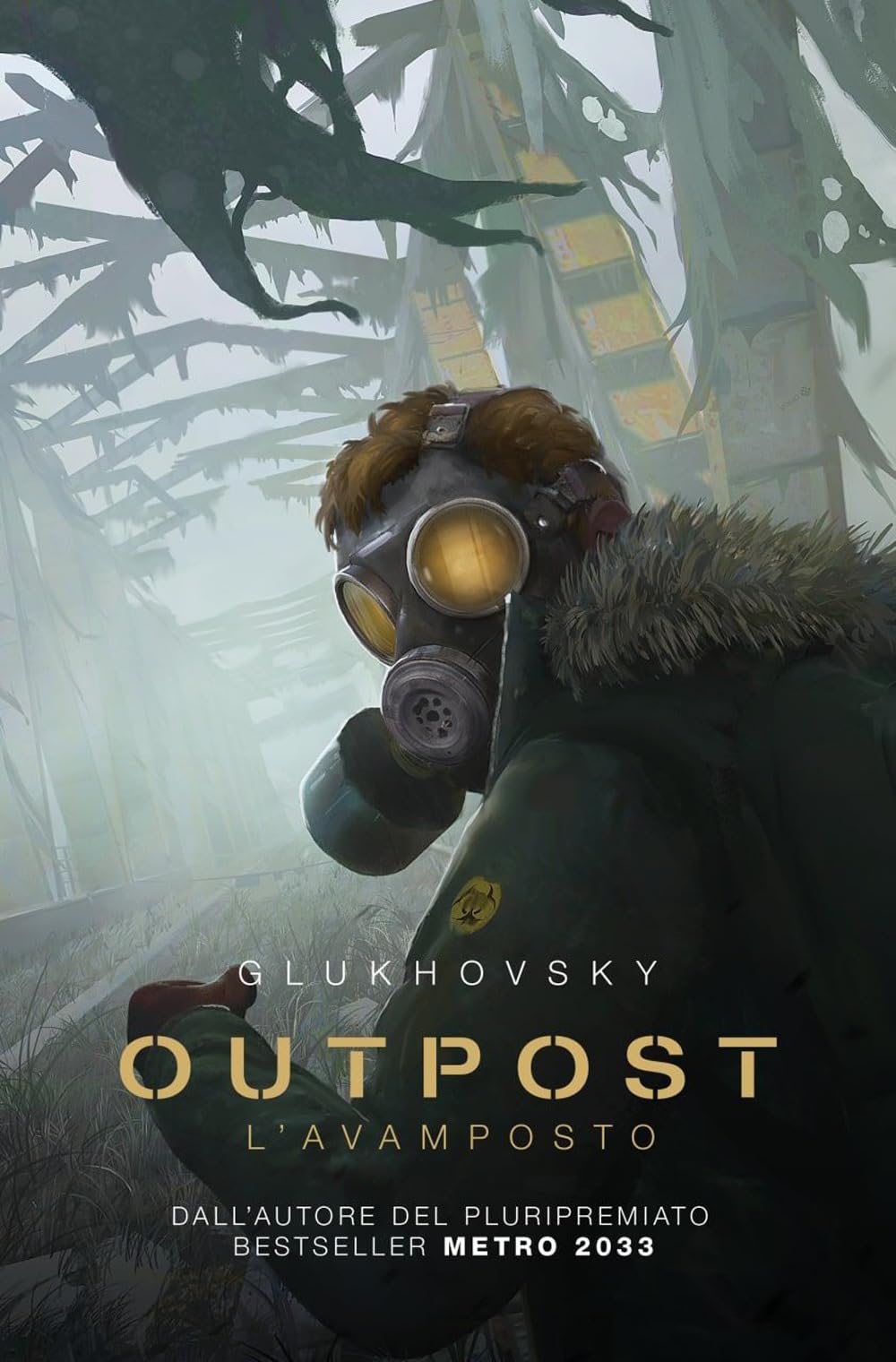
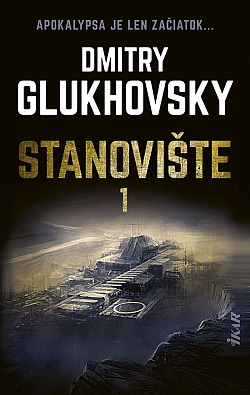
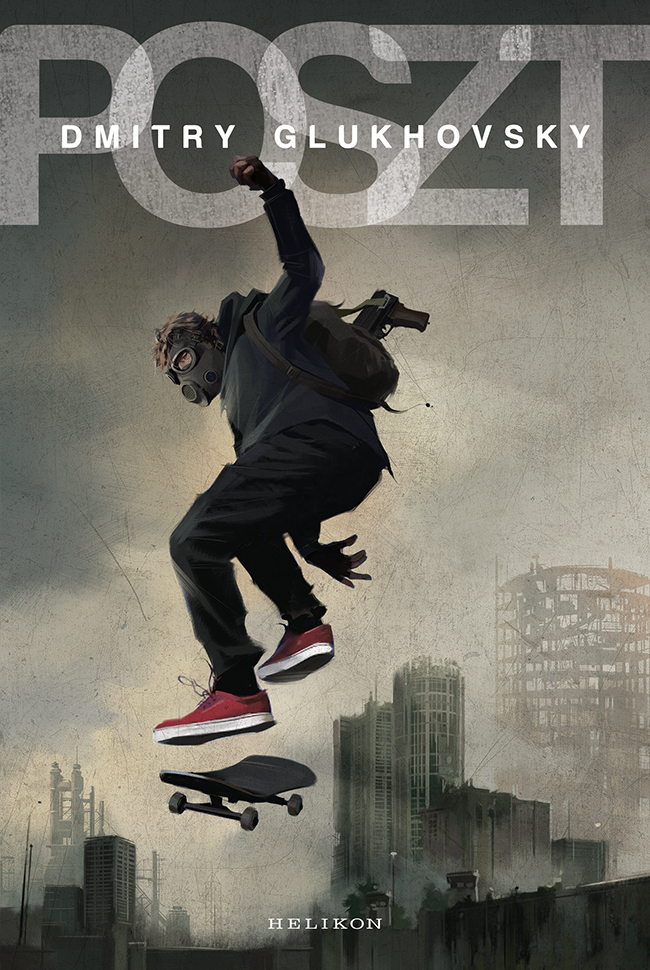
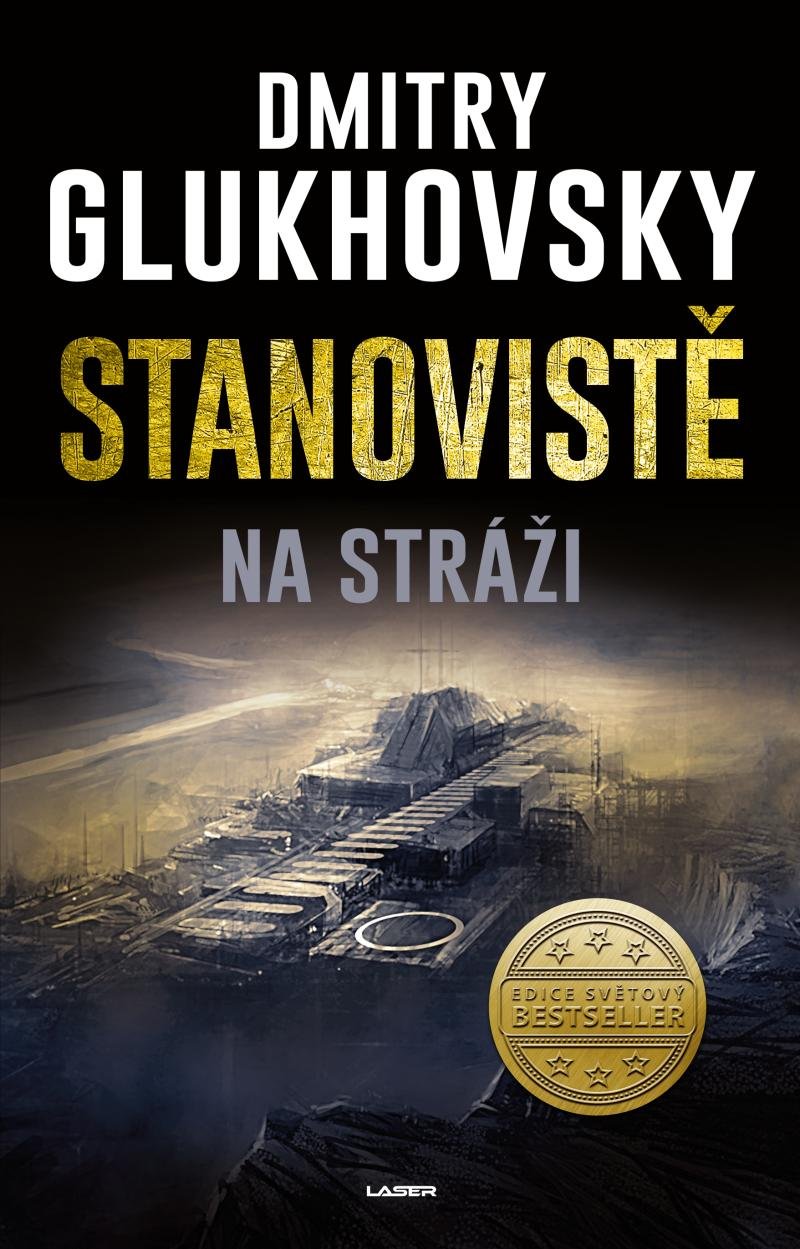
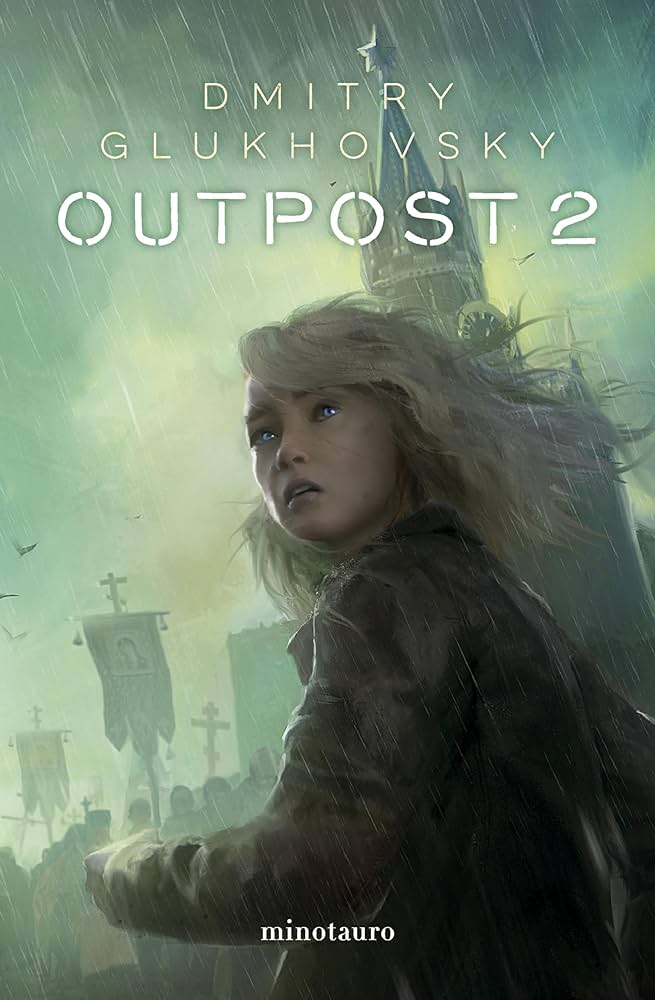
After a bloody civil war and internal strife, Russia has fractured and regressed into a state of timeless stagnation. The territories clustered around the old capital are once again called Muscovy and are once again ruled by a Tsar-Emperor. The eastern border of the empire runs along the poisoned Volga River, where a lonely outpost stands guard. Life at the Outpost is quiet and dull: the toxic river cuts the empire off from the forgotten lands beyond, serving as a better barrier than any wall. No one knows what lies on the other side — and no one cares. Until one day, from that unseen shore, an ancient evil returns.
«The Outpost», published one year before Russia’s full-scale invasion of Ukraine, explores Russia’s imperial legacy and the language of hatred that allowed those in power to make a once-unthinkable war possible.
After a bloody civil war and internal strife, Russia has fractured and regressed into a state of timeless stagnation. The territories clustered around the old capital are once again called Muscovy and are once again ruled by a Tsar-Emperor. The eastern border of the empire runs along the poisoned Volga River, where a lonely outpost stands guard. Life at the Outpost is quiet and dull: the toxic river cuts the empire off from the forgotten lands beyond, serving as a better barrier than any wall. No one knows what lies on the other side — and no one cares. Until one day, from that unseen shore, an ancient evil returns.
«The Outpost», published one year before Russia’s full-scale invasion of Ukraine, explores Russia’s imperial legacy and the language of hatred that allowed those in power to make a once-unthinkable war possible.
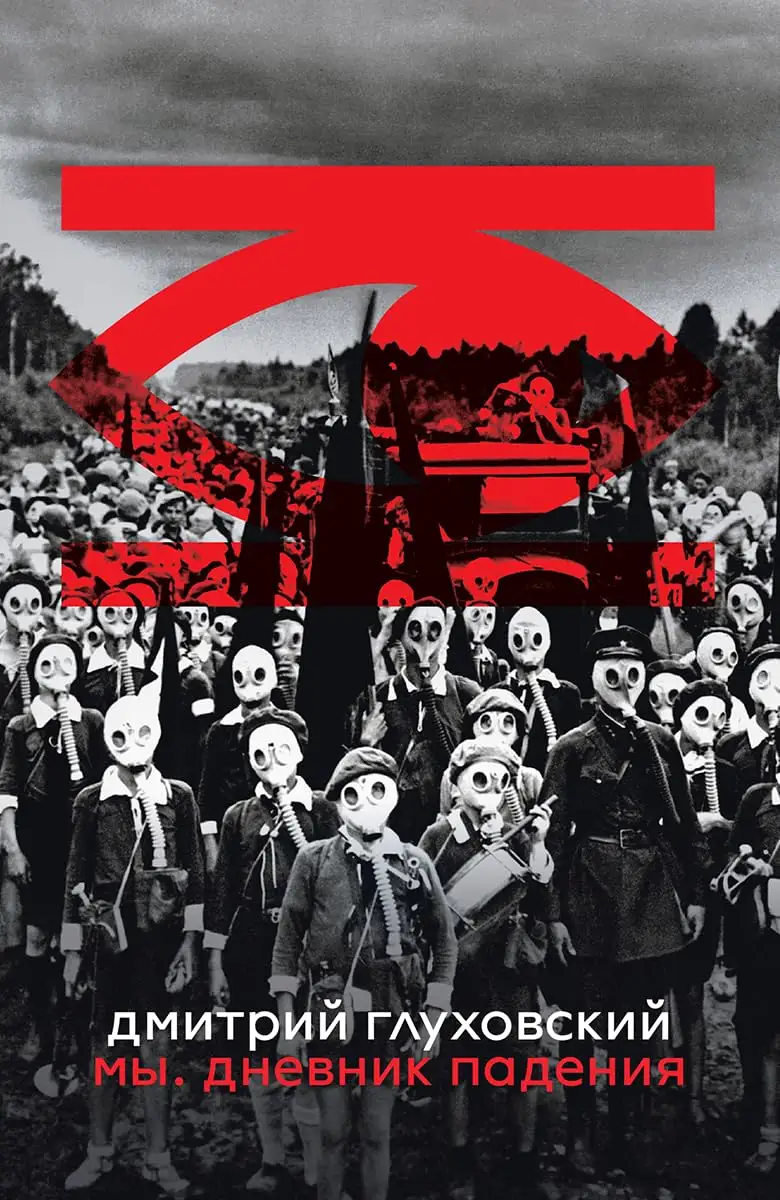

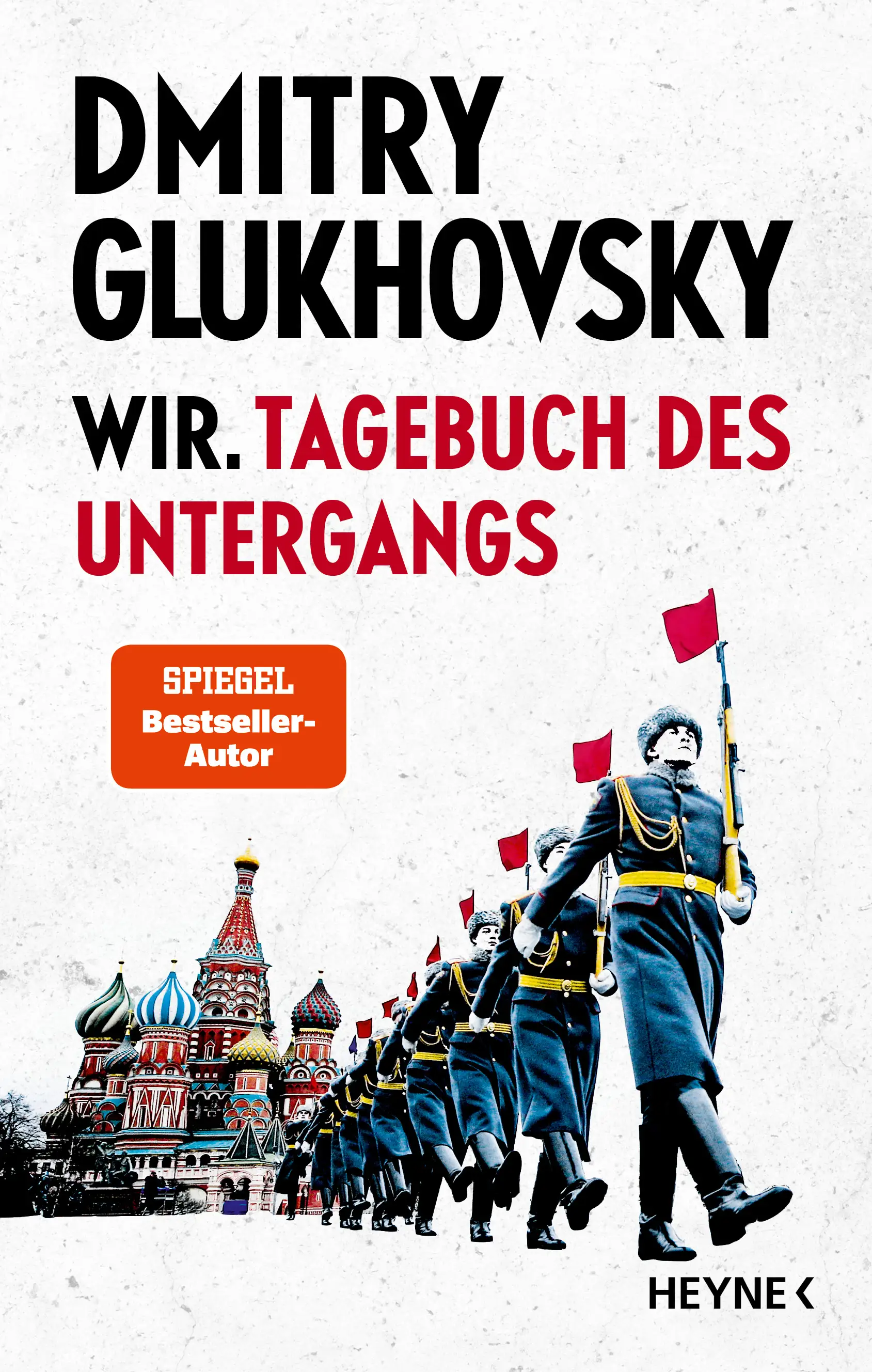
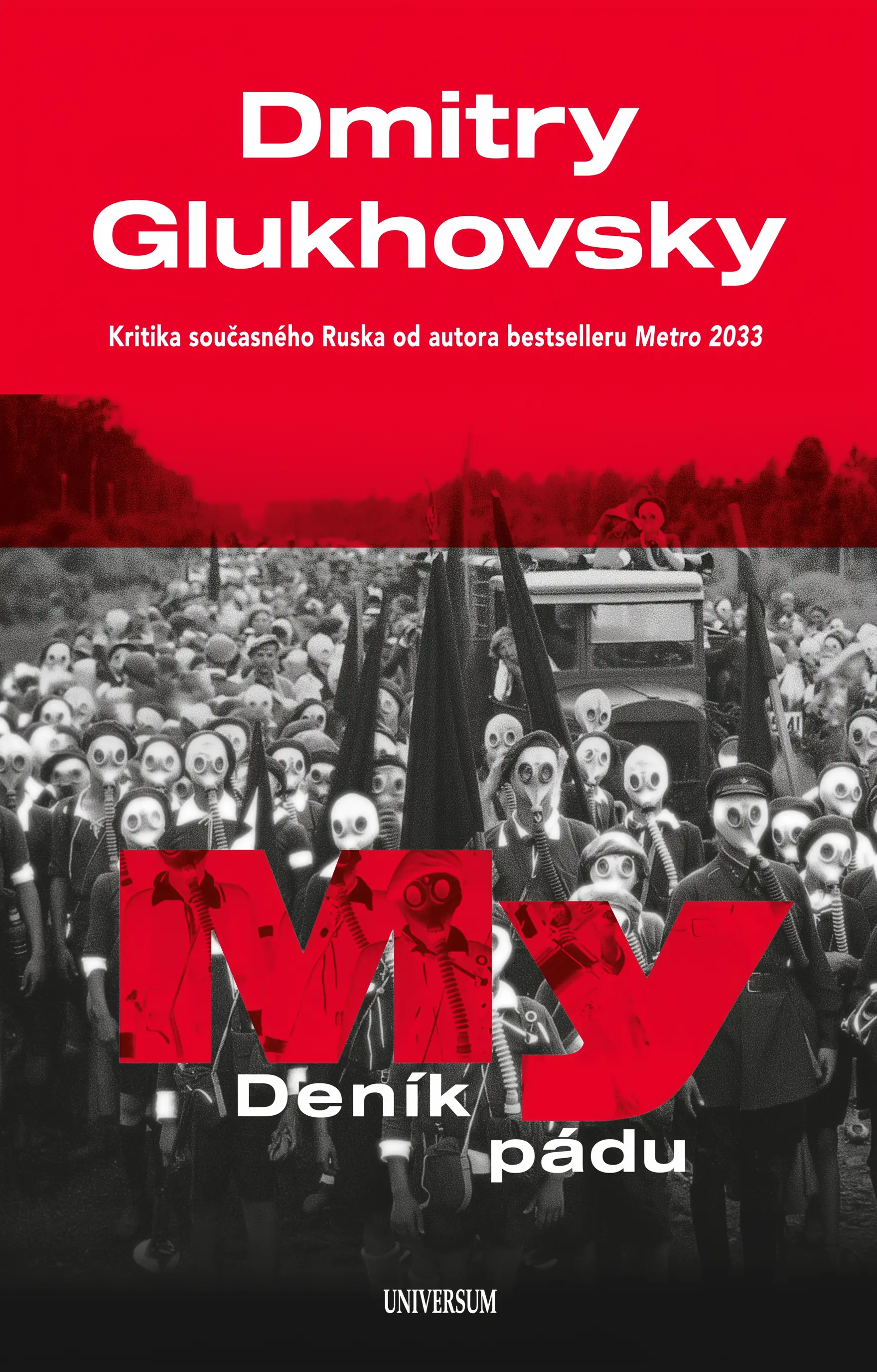
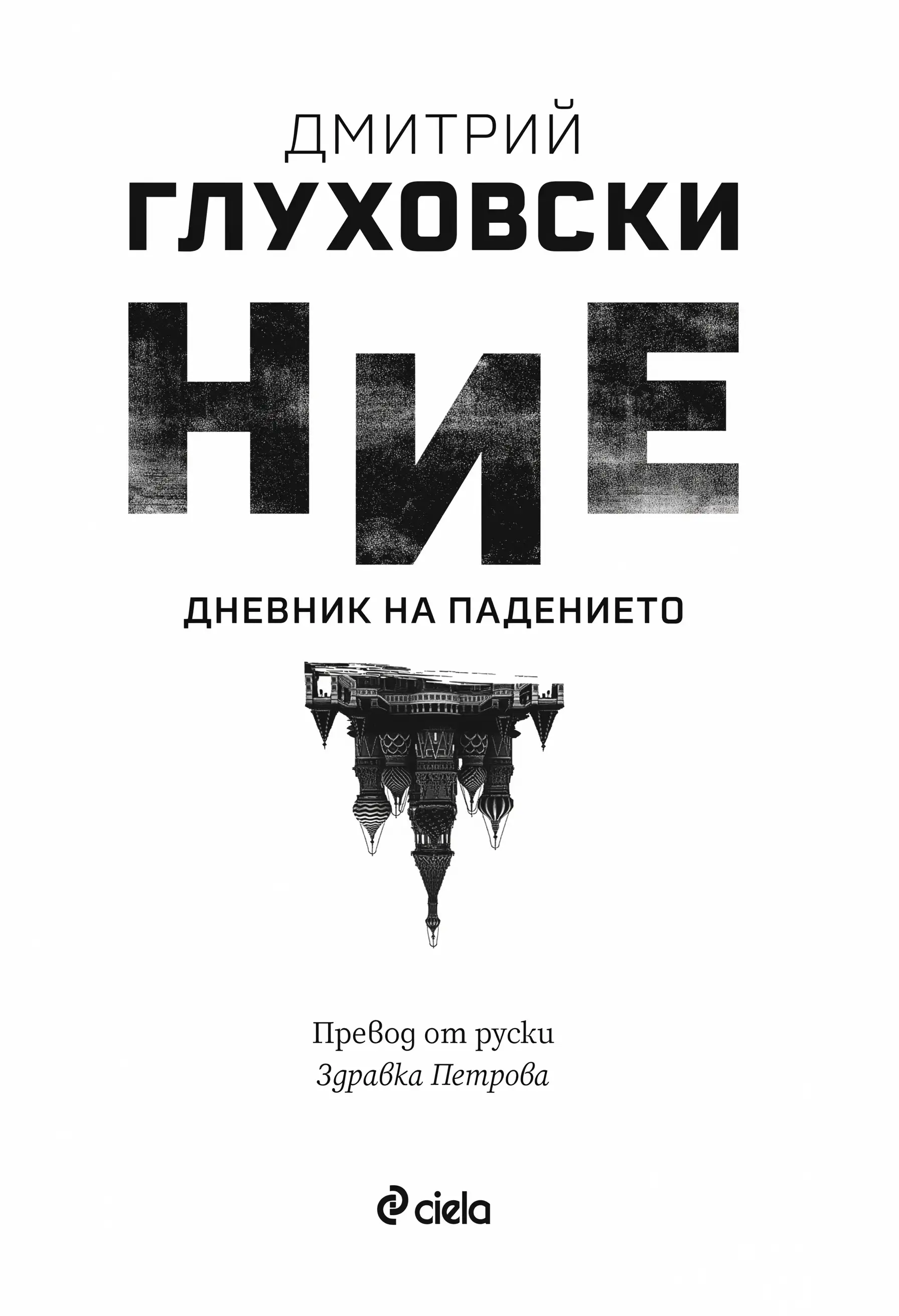
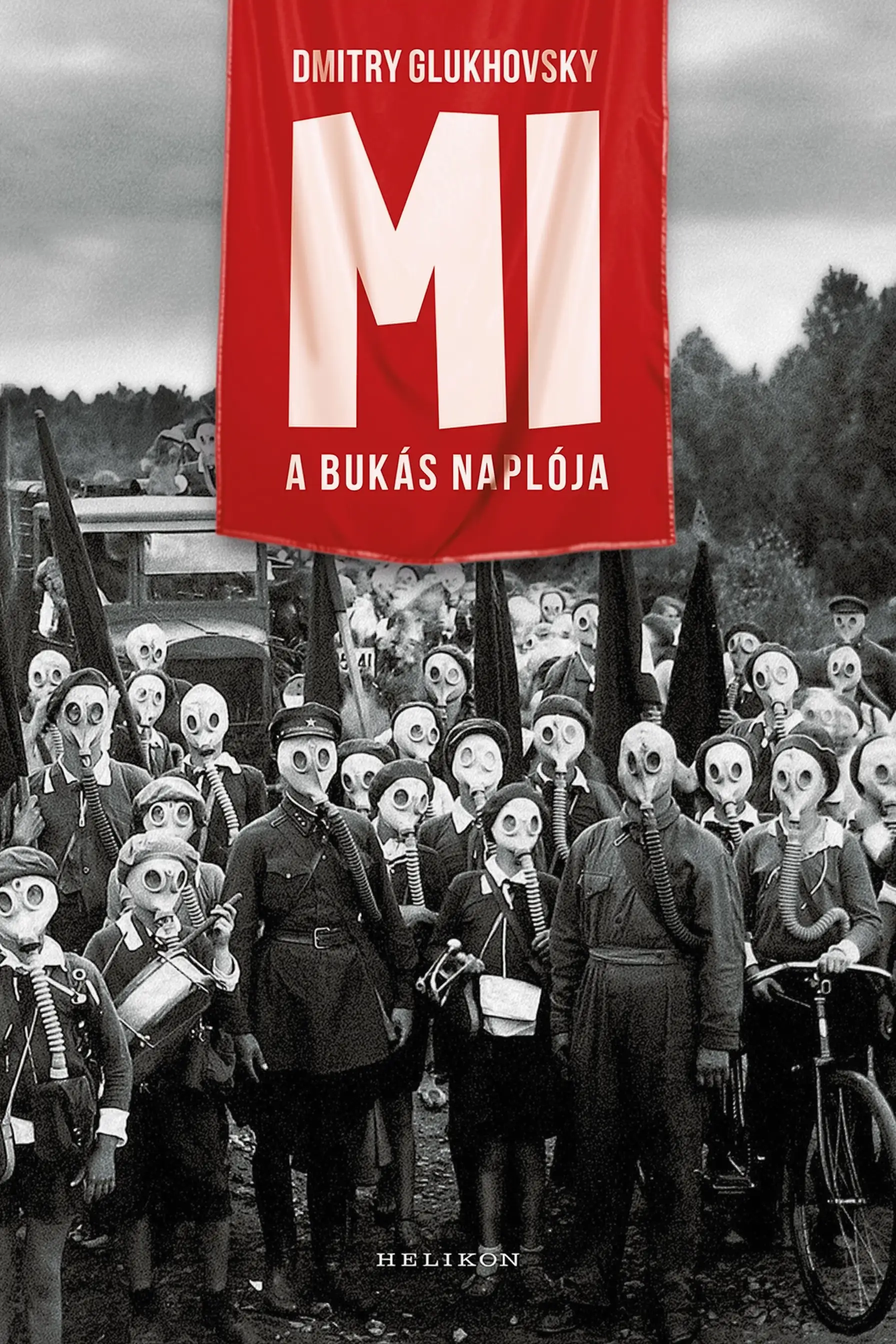
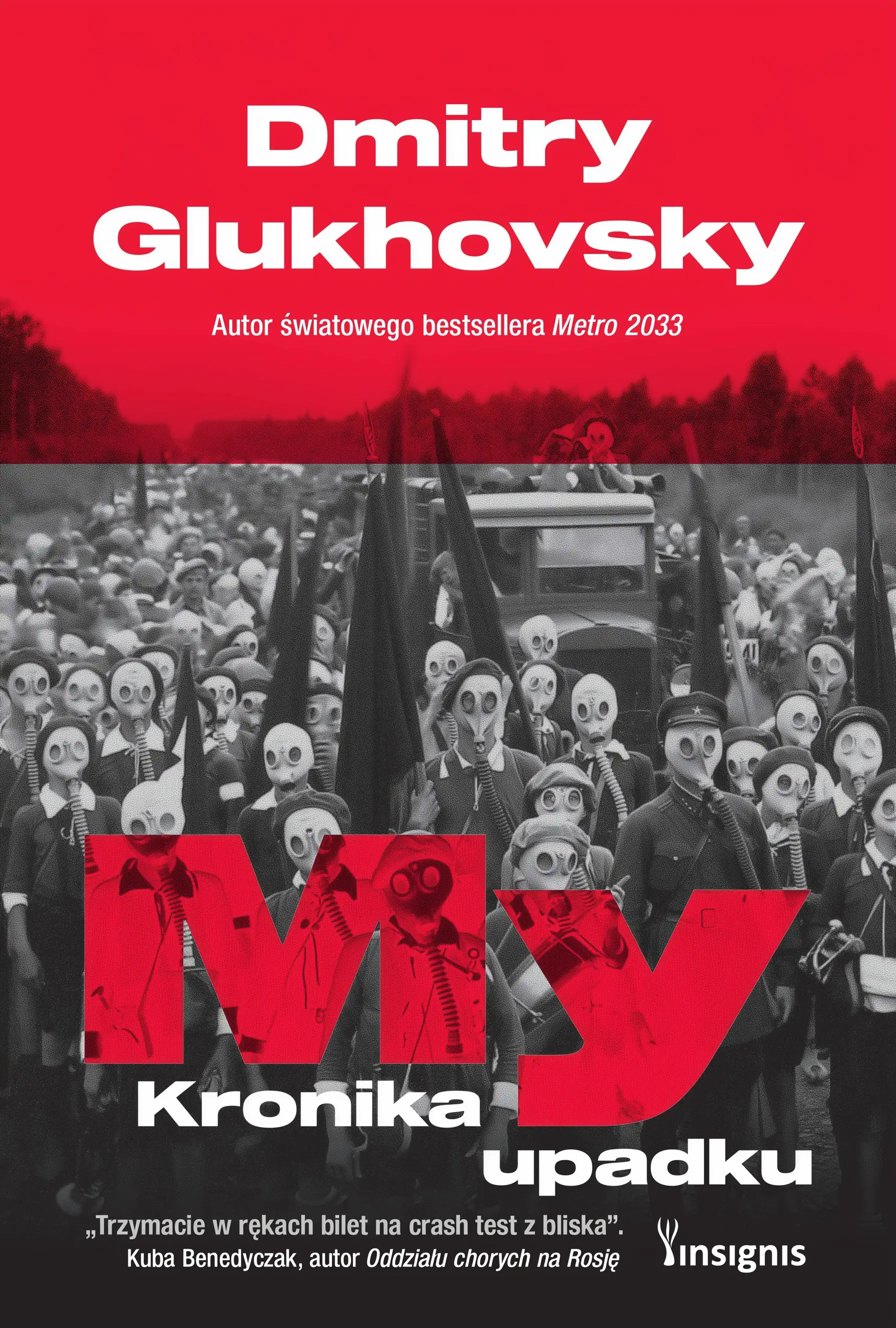
Alongside his dystopian fiction, and in parallel with it, Dmitry Glukhovsky has spent the past 15 years documenting and reflecting on the most significant events in Russia through articles for the global press — including Novaya Gazeta, Libération, Die Zeit, and The Guardian. Now, he weaves these pieces together into a cohesive narrative, enriched with commentary from today’s perspective.
The result is a unified account of how the new Russia transformed from a young, chaotic, and free country into a suffocating pseudo-imperial gerontocracy — propped up by archaism, repression, and resentment. «We. Diary of a Fall» is both a chronicle of the catastrophe unfolding in Russia and a portrait of the Russia in which that catastrophe is unfolding.
The book «We. Diary of a Fall» was published in exile; its critical stance toward Vladimir Putin and his regime makes its publication in today’s Russia impossible. Under various titles, the book has been translated into French, German, Polish, Hungarian, and other languages.
Alongside his dystopian fiction, and in parallel with it, Dmitry Glukhovsky has spent the past 15 years documenting and reflecting on the most significant events in Russia through articles for the global press — including Novaya Gazeta, Libération, Die Zeit, and The Guardian. Now, he weaves these pieces together into a cohesive narrative, enriched with commentary from today’s perspective.
The result is a unified account of how the new Russia transformed from a young, chaotic, and free country into a suffocating pseudo-imperial gerontocracy — propped up by archaism, repression, and resentment. «We. Diary of a Fall» is both a chronicle of the catastrophe unfolding in Russia and a portrait of the Russia in which that catastrophe is unfolding.
The book «We. Diary of a Fall» was published in exile; its critical stance toward Vladimir Putin and his regime makes its publication in today’s Russia impossible. Under various titles, the book has been translated into French, German, Polish, Hungarian, and other languages.


Ulyana lives in Vologda and works at a beauty salon. When she discovers that she is pregnant, her fiancé is already missing while fighting in Russia’s so-called “special military operation” (SMO) in Ukraine. With no clear information about his fate, she leaves her familiar life behind and travels to Moscow in search of him.
Ulyana lives in Vologda and works at a beauty salon. When she discovers that she is pregnant, her fiancé is already missing while fighting in Russia’s so-called “special military operation” (SMO) in Ukraine. With no clear information about his fate, she leaves her familiar life behind and travels to Moscow in search of him.


.svg)
.svg)


.svg)